Secured Loans: Weighing Benefits and Drawbacks
Understand how asset-backed borrowing works and whether it's right for you.
When borrowers need access to capital, they often face a choice between different lending structures. One significant category involves pledging an asset to guarantee repayment—commonly known as a secured or collateral-backed loan. These financial products have shaped lending practices for centuries and remain central to modern credit markets. Understanding their mechanics, advantages, and potential pitfalls is essential for anyone considering this borrowing approach.
The Foundation of Asset-Backed Borrowing
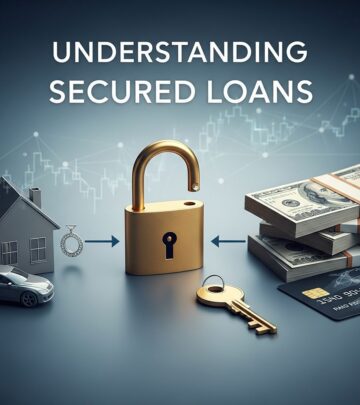
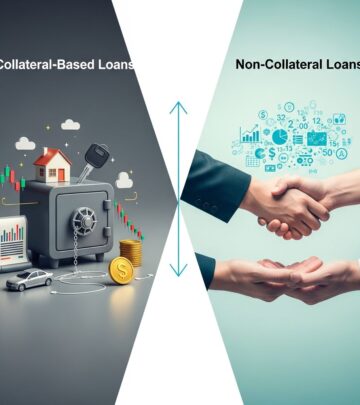
A secured loan represents a contractual arrangement in which a borrower offers something of value to a lender as assurance of repayment. This asset—the collateral—gives the lender legal recourse if the borrower fails to meet payment obligations. The collateral can be tangible property such as real estate or vehicles, or financial instruments like savings accounts or investment portfolios. The fundamental principle is straightforward: by reducing the lender’s risk through this security measure, borrowers often gain access to more favorable lending terms.
The relationship between collateral value and loan terms represents a core aspect of secured lending. Lenders typically conduct valuation assessments to determine how much they will advance relative to the asset’s worth. This relationship, often expressed as a loan-to-value ratio, influences interest rates, borrowing limits, and approval likelihood. Understanding this dynamic helps borrowers anticipate what lenders expect and how their financial situation translates into lending opportunities.
Primary Advantages of Collateral-Based Financing
Lower Interest Rates and Enhanced Borrowing Capacity
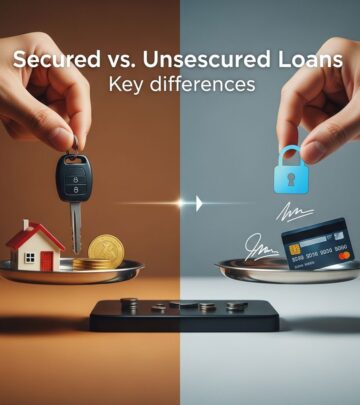
One of the most compelling reasons borrowers opt for secured loans involves the interest rate differential. Because lenders face reduced financial risk when an asset backs the obligation, they typically charge lower rates on secured products compared to unsecured alternatives. For example, mortgage rates often average around 6.94% for 30-year terms, while home equity loans may start at 6.88% APR, and auto loans can begin at 4.09% APR. This rate advantage translates into significant savings over the life of a loan, particularly for larger principal amounts or extended repayment periods.
Beyond rate benefits, secured loans often permit higher borrowing amounts than unsecured options. Because the lender has claimed an asset as security, they feel more comfortable advancing larger sums. This expanded borrowing capacity proves particularly valuable for major purchases like homes or vehicles, where single transactions may require substantial capital. The availability of higher loan limits through collateral arrangements democratizes access to significant funding that might otherwise remain unavailable.
Improved Approval Prospects and Credit Flexibility
Borrowers with limited credit histories, lower credit scores, or minimal income documentation often encounter barriers when seeking unsecured financing. Secured loans provide an alternative pathway for these individuals. By offering collateral, even borrowers with challenging credit profiles can demonstrate sufficient security for lenders to proceed with approval. This inclusivity expands financial access to segments of the population that might otherwise face repeated rejection or be forced into predatory lending situations.
The presence of collateral shifts lender focus from credit assessment alone toward asset valuation. While credit considerations remain relevant, the secured nature of the transaction provides additional confidence that the lender can recover funds through asset seizure if necessary. This reframing of risk enables approval decisions that might prove impossible in unsecured lending markets.
Faster Processing and Streamlined Approval Timelines
Secured loans frequently move through approval processes more quickly than unsecured alternatives. Because the lender has a clear claim on specific assets, underwriting can focus on valuation and documentation rather than extensive creditworthiness analysis. Many secured lending products—particularly those involving widely-recognized collateral like homes or vehicles—have standardized processes that reduce decision timelines. This efficiency benefits borrowers who need capital quickly for time-sensitive opportunities or urgent needs.
Significant Disadvantages and Risk Considerations
The Fundamental Risk of Asset Loss
The defining disadvantage of secured lending revolves around what happens when borrowers cannot maintain payments. Unlike unsecured debt, where creditors pursue collection actions against income and bank accounts, secured lending gives creditors direct rights to seize and sell the pledged collateral. If a homeowner defaults on a mortgage, the lender can initiate foreclosure proceedings and sell the property. If a car buyer misses payments, the lender can repossess the vehicle. This reality transforms a financial obligation into an existential threat to valuable possessions.
For many borrowers, the collateral represents far more than a financial asset. A home houses a family; a vehicle enables employment; jewelry may hold irreplaceable sentimental value. The possibility of losing these items adds emotional and practical weight to the obligation. This risk becomes particularly acute during economic downturns, job loss, or medical emergencies—precisely the times when borrowers might struggle with payments.
Restricted Financial Flexibility During Hardship
When collateral is pledged, borrowers lose flexibility in managing the asset. The lender typically retains legal interest in the collateral until the loan is fully repaid. This arrangement can restrict the borrower’s ability to refinance, sell, or modify the asset. For instance, homeowners cannot sell their property freely while a mortgage remains outstanding, and vehicle owners cannot use their cars as collateral for additional loans while financing remains active. During financial emergencies, this restricted access can compound problems and limit available solutions.
Additionally, lenders may impose requirements regarding asset maintenance or usage. Mortgage lenders often require homeowner’s insurance; auto lenders may mandate comprehensive vehicle coverage. These requirements, while protecting the lender’s interest, represent additional expenses that unsecured borrowers avoid. For financially vulnerable borrowers, these mandatory costs can strain already-tight budgets.
Collateral Depreciation and Underwater Loans
Many assets used as collateral lose value over time. Vehicles depreciate rapidly; real estate fluctuates with market conditions; equipment becomes obsolete. When an asset’s value declines below the outstanding loan balance, the borrower becomes “underwater”—owing more than the collateral is worth. If the borrower defaults and the lender seizes and sells the asset, the proceeds may prove insufficient to cover the debt. The borrower remains liable for this shortfall, potentially facing deficiency judgments that pursue other assets or income.
This depreciation dynamic creates particular challenges in markets experiencing downturns. Homeowners during housing market declines and auto buyers during economic recessions frequently face this predicament. The theoretical security of collateral provides cold comfort when the asset has lost significant value.
Comparing Common Secured Loan Products
| Loan Type | Typical Collateral | Typical Interest Rate Range | Primary Use Case |
|---|---|---|---|
| Mortgage | Residential property | 6–7% APR | Home purchase or refinance |
| Home Equity Loan | Home equity | 6–8% APR | Debt consolidation, renovations |
| Auto Loan | Vehicle | 4–6% APR | Vehicle purchase |
| Secured Personal Loan | Savings, investments, valuables | 6–36% APR | Flexible personal borrowing |
| Car Title Loan | Vehicle title | 200–300% APR | Short-term emergency needs |
Strategic Considerations for Prospective Borrowers
Assessing Your Capacity for Repayment
Before pledging collateral, borrowers must honestly evaluate their repayment capacity. Secured loans are not appropriate for borrowers with unstable income, history of payment difficulties, or uncertain financial futures. The stakes are too high; losing essential assets compounds financial crises rather than resolving them. Prospective borrowers should stress-test their ability to make payments during income disruption or unexpected expenses.
Understanding Collateral Valuation and Loan Terms
Different lenders may value identical collateral differently, leading to varying loan offers. Obtaining multiple valuations and loan quotes enables borrowers to understand the range of available terms. Understanding how the lender calculated loan amounts—particularly the loan-to-value ratio—helps borrowers assess whether they’re receiving reasonable terms. Borrowers should also clarify what expenses they’re responsible for regarding collateral maintenance or insurance requirements.
Evaluating Alternatives
Before accepting collateral-based financing, borrowers should explore whether unsecured alternatives exist. If credit is marginal, asking whether credit improvement through targeted actions might open better borrowing options deserves consideration. For some situations, alternative solutions—such as delayed purchases, smaller borrowing amounts, or alternative funding sources—might prove preferable to risking valued assets.
Frequently Asked Questions
What types of assets can typically serve as collateral?
Common collateral includes real estate, vehicles, savings accounts, investment portfolios, equipment, machinery, and valuables. Lenders prefer assets with stable or appreciating value and established secondary markets for liquidation if necessary. Less conventional collateral like jewelry, art, or insurance policies may be accepted by specialized lenders but typically commands more restrictive terms.
How do lenders determine collateral value?
Lenders conduct independent appraisals or valuations using market comparisons, professional assessment, or standardized valuation tools. For real estate, appraisers examine comparable sales and property conditions. For vehicles, lenders reference guides like Kelley Blue Book. The resulting valuation directly influences how much the lender will advance as a percentage of that value.
Can I refinance a secured loan without the original collateral?
Refinancing typically requires either maintaining the original collateral or substituting different collateral of equivalent value. Some lenders may refinance to unsecured status if creditworthiness has improved significantly, but this typically results in higher rates reflecting the increased lender risk.
What happens if collateral value declines after I take the loan?
Generally, the loan terms remain unchanged; you still owe the original amount. However, if you default and the lender sells the collateral for less than the outstanding balance, you may face a deficiency judgment. Some jurisdictions provide protections limiting deficiency claims, but these vary significantly by location and loan type.
Are there situations where I should avoid secured loans?
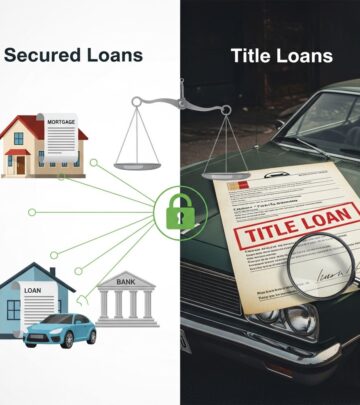
Secured loans warrant avoidance when repayment capacity is genuinely uncertain, when the collateral represents essential property, or when unsecured alternatives at comparable rates exist. High-risk products like car title loans should generally be avoided due to their predatory rate structures and short repayment windows. If a lender’s collateral requirements seem excessive or the terms unconscionably unfavorable, seeking alternative lenders or reconsidering the loan altogether is prudent.
Conclusion: Making Informed Borrowing Decisions
Secured loans represent powerful financial tools offering genuine benefits—lower rates, higher limits, improved access—but carrying real risks centered on potential asset loss. These products are neither inherently good nor bad; their appropriateness depends entirely on individual circumstances. Borrowers with stable income, clear repayment plans, and valuable assets they’re willing to risk may find secured financing advantageous. Those facing income uncertainty or already financially stressed should proceed cautiously or explore alternatives.
The decision to pledge collateral should reflect careful consideration of personal financial stability, the importance of the asset being pledged, and realistic assessment of repayment capacity. By weighing these factors honestly and comparing available alternatives, borrowers can make lending decisions aligned with their actual situations rather than optimistic assumptions about future circumstances.
References
- What Are Collateral Loans and How Do They Work? — LendingTree. Accessed March 31, 2026. https://www.lendingtree.com/personal/how-do-collateral-loans-work/
- Collateral | Definition, Types & Examples — Study.com. Accessed March 31, 2026. https://study.com/academy/lesson/collateral-definition-types-examples.html
- What Is Collateral? – OneMain Financial — OneMain Financial. Accessed March 31, 2026. https://www.onemainfinancial.com/resources/loan-basics/what-is-collateral-and-how-does-it-work
- What Is Collateral? Definition, Types, and How It Works in Loans — Contracts.net. Accessed March 31, 2026. https://contracts.net/blog/what-is-a-collateral
- Collateral: Definition, Examples and More — Capital One. Accessed March 31, 2026. https://www.capitalone.com/learn-grow/money-management/what-is-collateral/
- 7 Different Types of Collateral Accepted for Secured Business Loans — Funding Guru. Accessed March 31, 2026. https://fundingguru.com/blog/types-of-collateral-for-secured-business-loans
- What is Collateral and Why Do Lenders Require It? — Live Oak Bank. Accessed March 31, 2026. https://resources.liveoak.bank/blog/what-is-collateral-and-why-do-lenders-require-it
Similar Articles








Read full bio of Sneha Tete