Secured Business Loans: What You Need to Know
Learn how secured business loans work, what counts as collateral, and how to choose the right option for your company.

Secured business loans are a cornerstone of small business financing, allowing owners to borrow larger amounts at potentially lower interest rates by pledging valuable assets as collateral. Understanding how these loans work, what you can use as collateral, and how they compare with unsecured options helps you choose the best funding for your company’s needs.
What Is a Secured Business Loan?
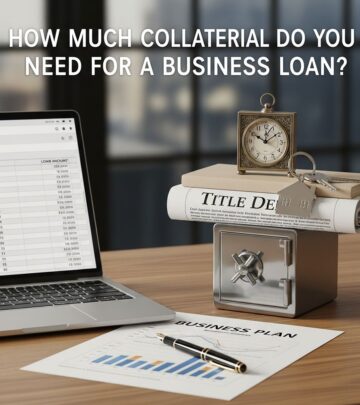
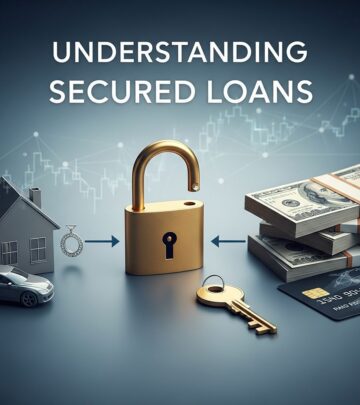
A secured business loan is a form of credit backed by collateral such as real estate, equipment, inventory, accounts receivable, or cash savings. If the business fails to repay the loan, the lender has the legal right to seize and sell the collateral to recover some or all of the outstanding balance.
Because the lender’s risk is partially reduced by this security, secured loans often feature:
- Lower interest rates than comparable unsecured loans
- Higher possible borrowing limits tied to collateral value
- Longer repayment terms, especially for real estate or SBA-backed loans[10]
In many cases, lenders may also require a personal guarantee or a lien on business assets in addition to specific collateral, especially for small and closely held businesses.
How Secured Business Loans Work
The basic mechanics of a secured business loan are similar to other term loans, but with an added collateral evaluation step.
- Application and underwriting: You submit financial statements, tax returns, business plans, and details about the collateral offered. The lender analyzes your creditworthiness and the asset’s value.
- Collateral valuation: The lender appraises collateral and sets a loan-to-value (LTV) ratio, typically lending only a percentage of the asset’s market value.
- Loan approval and terms: Based on credit risk and collateral, the lender sets interest rate, term length, covenants, and required guarantees.
- Disbursement and repayment: Funds are released as a lump sum or line of credit. You repay principal and interest according to the schedule, keeping your collateral as long as you stay current.
- Default and recovery: If you stop making payments and the loan goes into default, the lender can enforce its lien and take possession of the collateral.
Common Types of Collateral for Secured Business Loans
Lenders consider a wide range of assets as collateral, often preferring property or equipment that can be readily valued and resold.
- Real estate: Commercial buildings, warehouses, land, or sometimes the owner’s personal property. Real estate typically supports larger, longer-term loans.
- Equipment and machinery: Manufacturing equipment, vehicles, IT hardware, or specialized tools, often used in equipment financing where the asset being purchased secures the loan.
- Inventory: Retail stock, raw materials, or finished goods, frequently used for working capital lines of credit.
- Accounts receivable: Outstanding invoices can secure a loan or line of credit; this is common in asset-based lending or receivables financing.
- Cash and marketable securities: Business savings, certificates of deposit, or brokerage accounts; these are highly liquid and often support lower rates and higher LTV ratios.
- Personal assets and guarantees: For closely held businesses, lenders may require the owner to pledge personal property or sign a personal guarantee to strengthen the security package.
Types of Secured Business Loans
Several popular small business financing products are typically structured as secured loans.[10]
SBA 7(a) and Other SBA-Backed Loans
Small Business Administration (SBA) 7(a) loans and related programs are partially guaranteed by the U.S. government and often require collateral when available.[10] SBA guidelines state that lenders should take security interests in business assets and, when necessary, personal assets until the loan is “adequately secured.”[10]
- Loan amounts up to several million dollars, usable for many purposes such as working capital, equipment, and buying a business[10]
- Longer repayment terms and generally favorable interest rates compared to many conventional loans[10]
- Collateral usually includes business assets and sometimes personal real estate if business assets are insufficient[10]
Secured Term Loans
A traditional term loan provides a lump sum repaid over a fixed period with regular principal and interest payments. When secured, these loans are backed by specific assets (such as equipment) or a blanket lien on business property.
- Suitable for major purchases or long-term investments
- Interest rate and term length often depend on collateral quality and business credit profile
- May include covenants related to maintaining collateral and financial ratios
Secured Business Lines of Credit
A secured line of credit offers revolving access to funds up to a preset limit, with collateral like inventory, receivables, or real estate supporting the credit line.
- Useful for managing cash flow, covering seasonal expenses, or bridging timing gaps between payables and receivables
- Interest is typically charged only on the amount drawn
- Collateral is monitored periodically, and credit limits may adjust as asset values change
Equipment Loans
Equipment financing allows businesses to purchase machinery, vehicles, or technology, using the equipment itself as collateral.
- Often easier to qualify for because the financed asset directly secures the loan
- Loan amount and term are closely tied to equipment price and expected useful life
- Some equipment loans may offer tax advantages; owners often deduct depreciation and interest subject to applicable tax rules (consult a tax professional)
Commercial Real Estate Loans
Commercial mortgages finance the purchase, construction, or refinancing of business property, secured by the building or land itself.
- Typically feature longer repayment terms and larger principal amounts
- Loan-to-value ratios may range from about 65% to 80% of property value, depending on lender and property type
- Failure to repay can lead to foreclosure on the property, making risk assessment critical
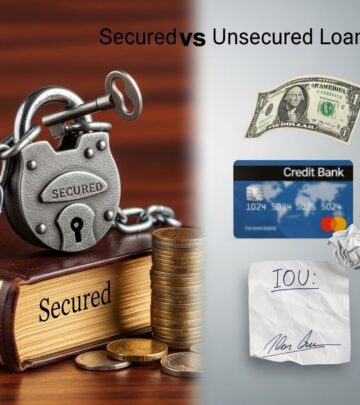
Secured vs. Unsecured Business Loans
Secured and unsecured business loans differ mainly in whether collateral is required and how risk is shared between lender and borrower.
| Feature | Secured Business Loans | Unsecured Business Loans |
|---|---|---|
| Collateral | Require specific collateral (property, equipment, inventory, receivables, or cash). | Generally no specific physical collateral, but may require a personal guarantee or lien on general assets. |
| Interest rates | Often lower because collateral reduces lender risk. | Typically higher to compensate for greater risk. |
| Borrowing limits | Can be higher, constrained by collateral value. | Usually lower maximum amounts. |
| Approval criteria | Collateral and LTV play a major role; slightly more flexibility on credit in some cases. | Heavier emphasis on credit score, cash flow, and business history. |
| Risk to borrower | Risk of losing pledged assets if the business defaults. | No specific asset at risk, but defaults still damage credit and may trigger collection on guarantees. |
| Speed of funding | Can be slower due to collateral appraisal and documentation. | Often faster approval and funding processes. |
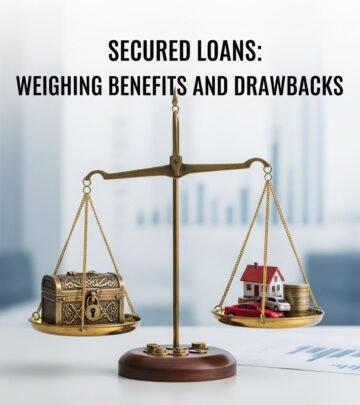
Pros and Cons of Secured Business Loans
Before pledging assets, business owners should weigh the advantages and disadvantages of secured borrowing.
Advantages
- Potentially lower interest costs: Collateral allows lenders to offer more competitive rates than many unsecured alternatives.
- Higher borrowing capacity: Larger loans become feasible when backed by valuable assets, which can be critical for real estate or major equipment purchases.
- Longer repayment terms: For real estate and some SBA loans, terms may extend up to 10–25 years, easing cash flow pressure.[10]
- Access for modest credit profiles: Strong collateral can sometimes offset weaker credit or shorter operating history, enabling approval where unsecured credit would be denied.
Disadvantages
- Risk of asset loss: Default may result in repossession or foreclosure, which can significantly disrupt operations if the asset is essential to the business.
- Additional administrative burden: Collateral valuation, appraisals, and legal filings increase complexity and may slow down funding.
- Potential personal exposure: When personal guarantees or personal property are involved, owners’ non-business assets may be at risk if the business cannot repay.
- Use constraints: Some secured products, such as equipment loans or mortgages, restrict how proceeds can be used.
How to Qualify for a Secured Business Loan
Although requirements vary by lender and product, most institutions review a combination of business performance, credit, and collateral.
- Business track record: Many lenders prefer at least 1–2 years in operation, although some SBA and equipment programs may accommodate younger firms with strong collateral and plans.
- Credit history: Lenders examine business and personal credit reports to evaluate past repayment behavior.
- Financial strength: Tax returns, financial statements, and bank records are used to assess revenue trends, profitability, and cash flow.
- Collateral quality: The type, condition, and market value of the pledged assets influence both approval and loan terms, including allowable LTV ratio.
- Documentation: Expect to provide ownership documents, leases, legal agreements, and detailed descriptions of pledged assets.
Is a Secured Loan Right for Your Business?
Choosing between secured and unsecured financing depends on your risk tolerance, the assets you have available, and your funding goals.
- Secured loans can be a strong fit if you need a large amount of capital, can comfortably pledge assets, and want the best possible rate and term.
- Unsecured loans may make sense for smaller, short-term needs where you prefer not to encumber business property or personal assets, and you can qualify based on credit and cash flow.
For many small businesses, the financing strategy includes both types over time: secured facilities for major long-term investments and unsecured or lightly secured lines for ongoing working capital.
Frequently Asked Questions (FAQs)
Q: What credit score is needed for a secured business loan?
A: Requirements vary, but many banks and SBA lenders look for good personal credit, often in the “good” range or higher. Strong collateral can sometimes help offset a weaker score, but lenders still expect evidence of responsible credit use.
Q: Can a startup get a secured business loan?
A: Startups may qualify if the owners can provide substantial collateral or personal guarantees and a detailed business plan. SBA programs and equipment financing are common avenues for early-stage businesses with limited operating history but strong assets.[10]
Q: Do I always need personal collateral for a secured loan?
A: Not always. Some loans can be fully secured by business assets alone, especially when the company has sufficient property, equipment, or cash. However, many small business lenders still request personal guarantees or personal real estate when business collateral is insufficient.[10]
Q: How much can I borrow with a secured business loan?
A: Your borrowing limit depends on factors such as the lender’s policies, your financial profile, and the collateral’s value. Lenders usually set a loan-to-value cap, lending only a portion of the collateral’s appraised worth—for example, a percentage of real estate value or a lower percentage for inventory.
Q: What happens to my collateral when the loan is paid off?
A: Once you fully repay the loan and satisfy any related obligations, the lender releases its lien or security interest. You then regain full control of the asset without the loan-related encumbrance.
References
- Secured Business Loans: Overview and Best Options — NerdWallet. 2024-02-07. https://www.nerdwallet.com/business/loans/learn/secured-business-loans
- What are Secured Business Loans? Here’s What to Know — Stripe. 2023-11-01. https://stripe.com/resources/more/secured-business-loans
- Secured business loans guide — Swoop US. 2023-05-10. https://swoopfunding.com/us/business-loans/secured-business-loans/
- Types of 7(a) loans — U.S. Small Business Administration (SBA). 2024-01-19. https://www.sba.gov/partners/lenders/7a-loan-program/types-7a-loans
- Collateral and Secured Business Loans — Guidant Financial. 2022-06-15. https://www.guidantfinancial.com/small-business-funding-guide/collateral-and-secured-business-loans/
Similar Articles








Read full bio of Sneha Tete