Secure Your Debit PIN: Complete Guide To Protection
Master the art of crafting and protecting a robust debit card PIN to shield your finances from fraud and unauthorized access.
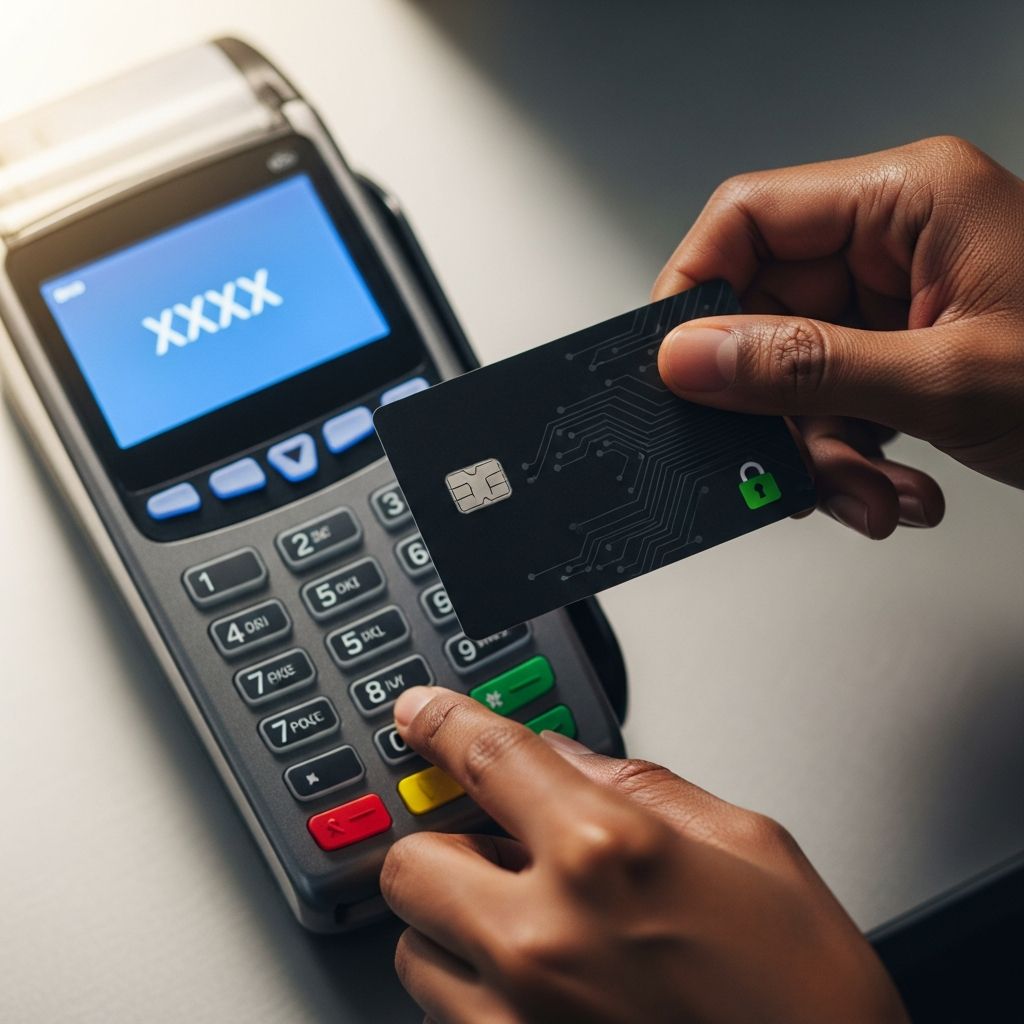
Your debit card’s personal identification number (PIN) serves as the primary barrier between your hard-earned money and potential fraudsters. In an era where digital transactions dominate, understanding how to choose, manage, and protect this four-digit code is crucial for maintaining financial security. This comprehensive guide explores everything from crafting an unguessable PIN to responding effectively in case of compromise, empowering you to bank with confidence.
Understanding the Critical Role of Your Debit PIN
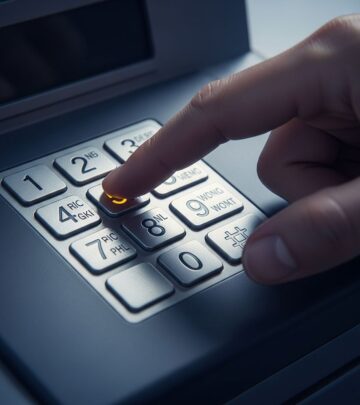
A debit PIN is a numeric passphrase, typically four to six digits long, required for authorizing transactions at ATMs, point-of-sale terminals, and sometimes online. Unlike credit cards, debit cards link directly to your bank account, making unauthorized access far more damaging as funds can vanish instantly without the buffer of credit limits.
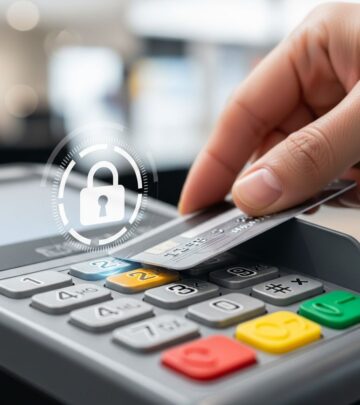
PINs function through a secure verification process: upon entry, the code is encrypted immediately to prevent interception during transmission to the issuer’s systems for matching against your registered value. Successful verification approves the transaction; repeated failures often lock the card temporarily, thwarting brute-force attacks. This mechanism significantly cuts fraud risks, reduces chargebacks for merchants, and builds customer trust by ensuring only authorized users access funds.
Statistics underscore the stakes: financial institutions report millions in annual losses from debit fraud, much of which could be prevented with stronger PIN habits. By prioritizing PIN security, you not only protect personal assets but also comply with industry standards like PCI DSS, which mandates encrypted handling and non-storage of PINs by merchants.
Key Principles for Crafting an Impenetrable PIN
Selecting the right PIN is the foundation of robust defense. Avoid predictable patterns that criminals exploit through social engineering or data breaches. Instead, blend memorability with randomness to create a fortress-like code.
- Opt for randomness over patterns: Shun sequences like 1234, 0000, or alternating digits such as 2424, which top lists of most-guessed PINs.
- Steer clear of personal data: Birthdates, anniversaries, phone numbers, or Social Security fragments are easily deduced from public records or casual observation.
- Diversify across accounts: Never reuse PINs or match them to passwords, as a single breach compromises multiple assets.
- Consider length advantages: Where possible, choose six-digit options for exponentially higher security without added complexity.
Advanced techniques include the “word method,” converting a memorable phrase like “blue sky” into numbers via phone keypads (2-5-8-3-7-5-9), or deriving from non-obvious dates/addresses while avoiding direct replication. These methods ensure recall without vulnerability.
Daily Habits to Safeguard Your PIN
Creation is just the start; ongoing vigilance prevents exposure. Integrate these practices into your routine to minimize risks.
| Do | Don’t |
|---|---|
| Shield the keypad with your body at ATMs and POS | Share with anyone, even purported bank staff—verify independently |
| Memorize and change periodically, e.g., every 3-6 months | Write it down near your card or in wallets/purses |
| Use unique PINs per card/account | Jot on the card itself or store digitally unencrypted |
| Monitor statements weekly for anomalies | Rely on generic defaults like 1111 or repeated digits |
Banks like U.S. Bank emphasize treating your debit card as cash: sign it immediately, prefer bank-owned ATMs, and limit online use to trusted merchants. For transactions, cover inputs discreetly and decline shoulder-surfing opportunities.
Technology and Standards Bolstering PIN Security
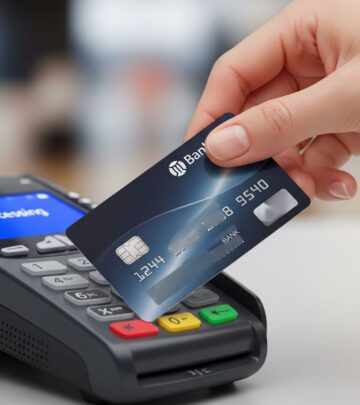
Modern systems amplify individual efforts. PIN Entry Devices (PEDs) and Encrypting PIN Pads (EPPs) ensure encryption from the moment of entry, adhering to PCI PTS standards that prevent tampering. Issuers separate PIN data from account details during processing, using Hardware Security Modules (HSMs) for protection.
Visa’s guidelines mandate velocity checks for suspicious patterns, like excessive attempts or high-risk transactions, blocking fraud proactively. Merchants must avoid PIN storage, with non-compliance risking fines, while consumers benefit from locked cards after 3-4 failed tries.
Update apps and devices regularly, as patches address emerging threats. Enable alerts for transactions, adding real-time oversight.
Responding Swiftly to Potential PIN Breaches
Suspected compromise demands immediate action. If unusual activity appears or you fear exposure:
- Contact your bank: Request a new card/PIN; most offer instant locks via apps.
- Review transactions: Dispute unauthorized charges promptly—federal law limits liability to $50 if reported quickly.
- Change the PIN: Do so securely at an ATM or branch, opting for a fresh strong code.
- Scan for malware: Ensure devices aren’t keyloggers.
Proactive monitoring via apps flags issues early. If locked after errors, visit a branch for reset.
Common Myths and Misconceptions About Debit PINs
Myths undermine security. Here’s the truth:
- Myth: Banks need your PIN for service. Legitimate staff never request it—hang up and call official lines.
- Myth: Online debit needs PIN. Often signature-based; prefer credit for disputes.
- Myth: Longer PINs are inconvenient. Six digits boost security marginally with habituation.
- Myth: Writing it ‘safely’ is okay. Locked storage only if absolutely necessary.
Enhancing Overall Debit Card Protection
PIN security integrates with broader strategies. Use EMV chips over magstripes, enable two-factor authentication, and avoid public Wi-Fi for banking. Educate family on rules, especially for shared accounts. Rewards programs incentivize secure use, like cashback on monitored spends.
For businesses, train staff on fraud signs and secure POS compliance. Consumers: pair PINs with biometrics where available, evolving defenses.
Frequently Asked Questions (FAQs)
Can I use letters in my debit PIN?
Most systems accept only numbers, but some map letters via keypads for creation.
How often should I change my PIN?
Every 3-6 months or post-suspicion; regularity deters compromise.
What if I forget my PIN?
Contact your bank for reset—avoid guesses to prevent locks.
Does PIN protect online debit purchases?
Not always; use virtual cards or credit alternatives.
Is a 6-digit PIN safer than 4?
Yes, a million-fold harder to crack brute-force.
Building a Fraud-Resistant Future
Debit PIN mastery transforms routine banking into a secure endeavor. By choosing wisely, shielding diligently, and acting decisively, you fortify against threats. Stay informed on updates from issuers like Visa, whose 2010 guidelines remain foundational for encryption and separation practices, validated by ongoing standards. Empower yourself today—your financial peace depends on it.
References
- Issuer PIN Security Guidelines — Visa. 2010. https://by.visa.com/content/dam/VCOM/regional/cemea/generic-cemea/partner-with-us/info-for-partners/info-for-issuers/visa-issuer-pin-security-guideline.pdf
- How a PIN Works on Credit Cards and Debit Cards — Clearly Payments. N/A. https://www.clearlypayments.com/blog/how-a-pin-works-on-credit-cards-and-debit-cards/
- PIN Security Requirements — PCI Security Standards Council. N/A. https://www.pcisecuritystandards.org/documents/PCI_PIN_v3.0_ROC_Reporting_Template.pdf
- How to Keep Your Debit Card PIN Secure — First State Community Bank. N/A. https://www.fscb.com/blog/how-to-keep-your-debit-card-pin-secure
- Best Practices for Debit Card Fraud Prevention — Fortuna Bank. N/A. https://fortunabank.com/best-practices-for-debit-card-fraud-prevention/
Similar Articles








Read full bio of medha deb