Secure Tap Payments: Protecting Your Debit Card
Master the art of safe contactless debit card use with proven strategies to shield your finances from fraud and risks.
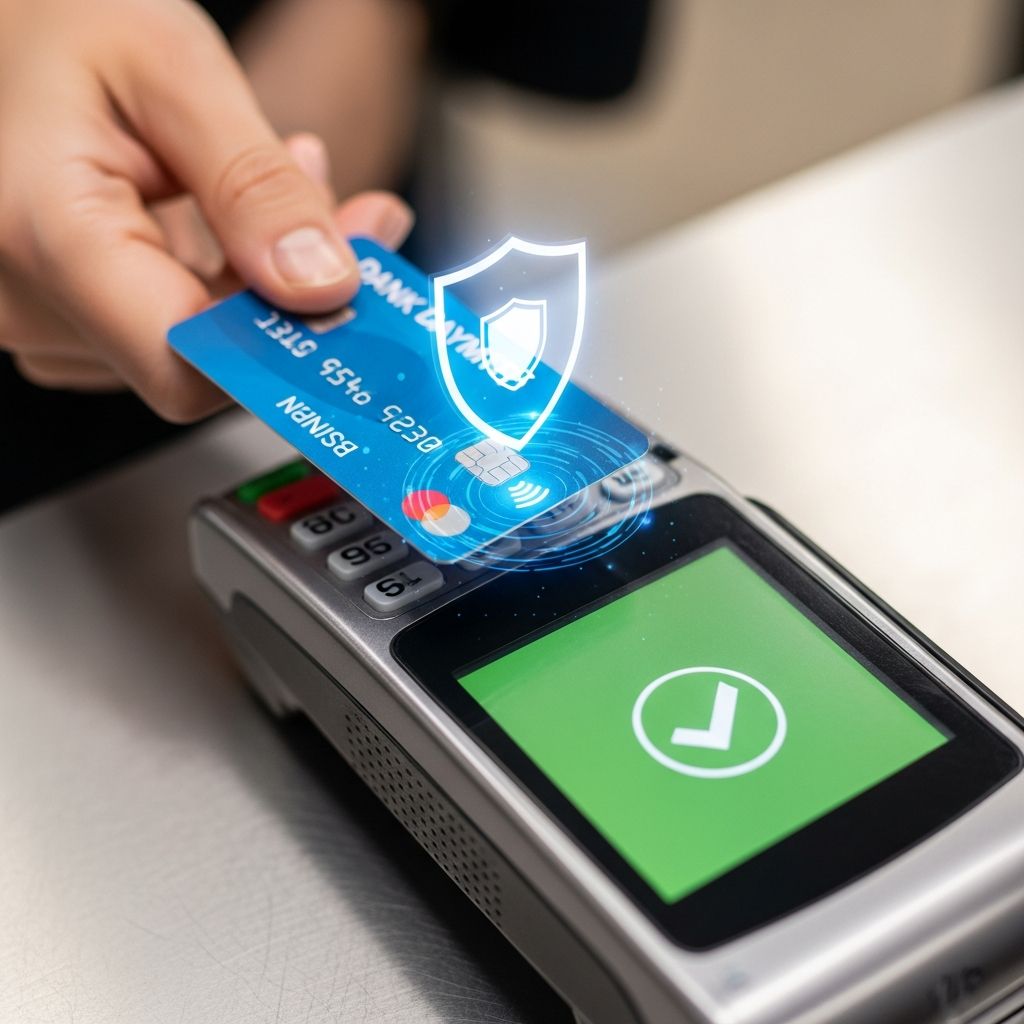
Contactless debit cards have transformed everyday purchases into swift taps, leveraging near-field communication (NFC) technology for speed and ease. These cards transmit encrypted data via radio waves when held near a compatible reader, eliminating the need for physical insertion or swiping. Despite their convenience, understanding potential vulnerabilities and adopting protective measures is crucial for maintaining financial security.
Understanding the Technology Behind Tap-to-Pay
At the core of contactless payments lies NFC or RFID, which enables short-range data exchange between your card and the terminal. Unlike older magnetic stripe methods, modern chips generate dynamic codes for each transaction, rendering intercepted data useless for cloning attempts. This one-time tokenization process replaces sensitive details like your card number with temporary identifiers, significantly lowering replay attack risks.
Transactions typically process in seconds, far quicker than chip-and-PIN alternatives, making them ideal for busy environments like coffee shops or transit systems. However, limits on PIN-free taps—often $50 to $100—balance speed with oversight, requiring verification for larger amounts.
Assessing the Safety of Contactless Transactions
Contactless debit cards match or exceed chip card security by avoiding exposure of static data such as CVV or billing addresses. Each tap employs end-to-end encryption, ensuring data remains protected during transmission. Industry standards like PCI DSS further mandate robust protocols for providers, minimizing breaches at the point of sale.
| Payment Method | Security Features | Fraud Risk Level |
|---|---|---|
| Magnetic Stripe | Static data swipe | High (skimming vulnerable) |
| Chip-and-PIN | Dynamic code + PIN | Medium |
| Contactless Tap | Token + encryption, no PIN for low value | Low |
| Mobile Wallet | Biometrics + token | Very Low |
This table illustrates why taps outperform legacy methods, though no system is infallible—lost cards can lead to quick unauthorized spends within limits.
Key Risks and How to Counter Them
While advanced, contactless systems face threats like unauthorized proximity reads or terminal tampering. Thieves with skimming devices might attempt to capture signals from afar, though effective range is mere centimeters. Offline approvals in some setups could bypass real-time checks, heightening exposure in high-risk scenarios.
- Proximity Exploitation: Stolen cards enable rapid low-value fraud without PINs.
- Skimming Devices: Unauthorized readers intercept signals if cards are unprotected.
- Tampered Terminals: Modified readers harvest data during legitimate taps.
Counter these by pairing tech safeguards with personal vigilance, as detailed below.
Activating Built-in Bank Protections
Most financial institutions offer tools to fortify your debit account. Real-time alerts notify you instantly of taps, allowing swift fraud detection. Card lock features let you disable the card remotely via app if misplaced, halting all activity until reactivation.
Fraud monitoring systems scan for anomalies, such as unusual locations or frequencies, auto-flagging suspects for review. Enable these via your banking app: navigate to settings, select notifications, and opt into SMS/email for every transaction.
Daily Habits for Maximum Protection
Simple routines amplify security. Store cards in RFID-blocking sleeves or wallets, which use metallic layers to jam unauthorized signals. Regularly scrutinize statements through mobile apps, spotting irregularities before they escalate.
- Inspect payment terminals for overlays or loose parts before tapping.
- Avoid back pockets or open bags where cards could be scanned unnoticed.
- Report losses within minutes to issuers, who often cover verified fraud.
- Decline odd requests to handle your card personally.
Choosing Secure Payment Terminals
Opt for reputable merchants with visible, tamper-free readers. Legitimate terminals display the contactless symbol and process taps seamlessly without multiple attempts[10]. For businesses, select PCI DSS-compliant providers offering tokenization and PIN prompts for high values. Physical placement matters—choose attended checkouts over unattended kiosks when possible.
Leveraging Mobile Wallets for Extra Security
Link your debit card to apps like Apple Pay or Google Wallet, which add biometrics like fingerprints or face scans atop tokenization. Phones generate virtual card numbers per merchant, useless if stolen, and require device unlock for use. This layered approach surpasses physical cards alone, with remote wipe capabilities for lost devices.
Responding to Suspicious Activity
If an alert flags an unknown charge, contact your issuer immediately—federal laws like Regulation E limit debit fraud liability to $50 if reported promptly. Document details: time, amount, merchant. For lost cards, request replacements and monitor new accounts closely.
Common red flags include small, frequent charges testing validity or transactions from distant locations.
Industry Standards and Future Enhancements
Bodies like EMVCo enforce cryptograms and unique keys per device, ensuring no shared vulnerabilities. Upcoming biometrics integration and AI-driven anomaly detection promise even tighter defenses. Stay informed via bank updates to adopt these evolutions.
Frequently Asked Questions
Can contactless cards be hacked remotely?
No, NFC requires close proximity (under 2 inches), making remote hacks impractical.
What if I lose my contactless debit card?
Lock it via app, report to your bank, and monitor alerts. Liability is minimal with quick action.
Are tap payments safer than cash?
Yes, due to encryption and recovery options, unlike irrecoverable cash.
Do I need a special wallet for my card?
RFID blockers are recommended for high-risk areas but not always necessary.
How do I know a terminal is safe?
Check for tampering, use trusted merchants, and prefer contactless over swipe[10].
Building a Fraud-Resistant Routine
Integrate protections into daily life: set alerts first, use blockers second, review weekly. Educate family on risks, especially with shared wallets. By prioritizing these, tap payments become a secure staple, freeing you to focus on spending wisely rather than worrying.
References
- How to Use a Contactless Debit Card Safely — Experian. 2023. https://www.experian.com/blogs/ask-experian/how-to-use-contactless-debit-card-safely/
- The Risks of Contactless Payment Are High Despite Security — American Military University. 2023. https://www.amu.apus.edu/area-of-study/business-administration-and-management/resources/the-risks-of-contactless-payment-are-high-despite-security/
- NFC Security 101: A Guide for Businesses Using Contactless Payments — Stripe. 2024. https://stripe.com/resources/more/nfc-security-101-a-guide-for-businesses-using-contactless-payments
- A Guide to Safe and Secure Contactless Transactions — Busey Bank. 2023. https://moneymatters.busey.com/busey-bank-a-guide-to-safe-and-secure-contactless-transactions
- Steps to Enhancing Contactless Card Transaction Security — NMI. 2023. https://www.nmi.com/blog/steps-to-take-to-ensure-the-highest-level-of-contactless-card-transaction-security/
- Contactless Transactions: Getting Started Safely — HT Bank. 2024. https://myht.bank/contactless-transactions-getting-started-safely/
- Contactless Payment Security Questions & Answers — Secure Technology Alliance. 2016-12-01. https://www.securetechalliance.org/wp-content/uploads/Contactless-Payments-Security-QA-FINAL-Dec-2016.pdf
Similar Articles





Read full bio of medha deb