Secure Payment Methods: Money Orders and Cashier’s Checks Compared
Understand the key differences between two reliable payment alternatives for your financial transactions
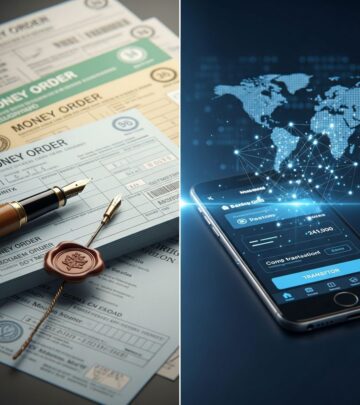
When it comes to making payments without relying on personal checks or cash, two reliable options emerge as industry standards: money orders and cashier’s checks. Both serve as prepaid, secure payment instruments that offer protection against fraud and insufficient funds. However, despite their similarities, these two payment methods differ significantly in terms of availability, cost, transaction limits, and appropriate use cases. Understanding these distinctions can help you select the most suitable payment method for your specific financial needs.
Understanding Prepaid Payment Instruments
Before diving into the specifics of each payment method, it’s important to understand what makes prepaid payment instruments valuable in modern commerce. Unlike personal checks, which draw funds directly from your account at the time of presentation, prepaid instruments guarantee that funds are available before the payment is issued. This fundamental characteristic provides recipients with confidence that the payment will not bounce due to insufficient funds. Both money orders and cashier’s checks leverage this prepaid principle, though they implement it through different channels and institutions.
The Nature and Characteristics of Money Orders
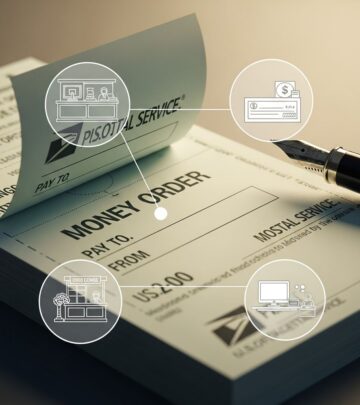
A money order represents a straightforward prepaid payment instrument designed for everyday transactions and smaller monetary amounts. When you purchase a money order, you exchange cash (or sometimes other payment methods) for a document that functions similarly to a check but carries inherent security features. The issuing entity maintains a record of the transaction, and the funds are already accounted for before the money order enters circulation.
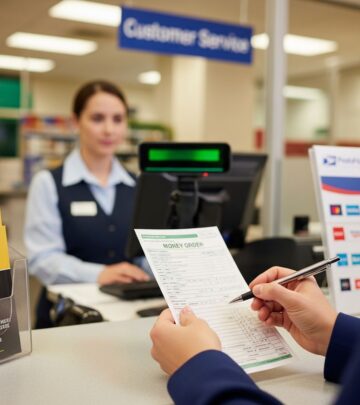
The recipient of a money order can either cash it directly or deposit it into a bank account, just as they would with a traditional check. One of the defining characteristics of money orders is their widespread availability. Unlike cashier’s checks, which require access to a banking institution, money orders can be obtained from numerous retail locations. Grocery stores, pharmacies, convenience stores, post offices, and dedicated check-cashing services all offer money order services to the public. This accessibility makes money orders an attractive option for individuals without bank accounts or those seeking a quick payment solution.
The Nature and Characteristics of Cashier’s Checks
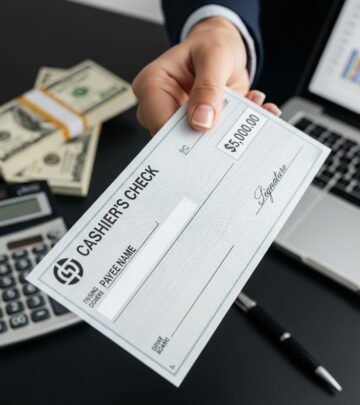
A cashier’s check operates under a distinctly different framework, with the banking institution itself serving as the guarantor of funds. When you request a cashier’s check from your bank or credit union, the financial institution draws the specified amount from either your account or from cash you provide, then issues an official check backed by the bank’s own reserves. This bank guarantee represents a crucial distinction from personal checks, where the guarantor is simply the account holder.
The bank typically signs the cashier’s check with authorizations from two representatives, and the document often includes security features such as watermarks to prevent counterfeiting and fraud. Because the bank itself guarantees the funds, recipients generally view cashier’s checks as highly trustworthy payment instruments. The bank’s reputation and regulatory oversight stand behind each cashier’s check issued, providing recipients with exceptional confidence in the transaction.
Cost Considerations and Fee Structures
One of the most immediately noticeable differences between these two payment methods lies in their associated costs. Money orders represent the more economical choice for most consumers, with fees typically ranging from approximately $0.35 to $2.00 per money order. This modest cost structure makes money orders an attractive option when affordability is a primary consideration.
Cashier’s checks, by contrast, carry significantly higher fees. Financial institutions typically charge between $5 and $20 per cashier’s check, though some banks may waive fees for account holders in good standing. This higher cost reflects the additional security measures, bank guarantee, and administrative overhead involved in producing and verifying a cashier’s check.
For consumers making multiple small payments, the cumulative cost difference between these options becomes particularly significant. Someone sending ten money orders would pay between $3.50 and $20 total, whereas ten cashier’s checks would cost between $50 and $200. This substantial difference makes the payment method choice a relevant financial consideration for budget-conscious individuals.
Transaction Amount Limitations
Money orders impose a maximum transaction limit, typically capped at $1,000 per money order. This restriction reflects the original design intent of money orders as tools for smaller transactions and everyday payments. Individuals needing to send or pay amounts exceeding this threshold must obtain multiple money orders or select an alternative payment method.
Cashier’s checks, conversely, generally accommodate any amount that the bank agrees to issue. Whether you need to pay for a $2,500 vehicle down payment, a $50,000 real estate transaction, or any amount in between, a single cashier’s check can handle the full transaction. This flexibility makes cashier’s checks the practical choice for substantial payments that exceed money order limits.
Access and Availability Factors
The accessibility profile of these payment methods reflects their intended market audiences. Money orders cater to the broadest possible consumer base by being available at numerous retail and government locations. Post offices, grocery store customer service desks, pharmacy counters, convenience stores, and dedicated check-cashing businesses all routinely offer money order services. This widespread distribution means that virtually any consumer can obtain a money order with minimal effort.
Cashier’s checks, by contrast, require access to a banking relationship. Traditional wisdom suggests that you need a bank account at the issuing institution to obtain a cashier’s check. However, some banks do permit non-customers to purchase cashier’s checks, though this practice varies by institution and typically requires the applicant to contact the bank directly to arrange the transaction. Additionally, some banks now offer the option to order cashier’s checks online, though the physical document must eventually be picked up or delivered to the purchaser.
For individuals without banking relationships, this accessibility difference can be determinative. Unbanked or underbanked populations typically have straightforward access to money orders but may face obstacles in obtaining cashier’s checks.
Security Features and Fraud Protection
Both payment methods incorporate security features designed to prevent counterfeiting and unauthorized use, though they differ in approach and comprehensiveness. Money orders include basic security features such as watermarks and sequential numbering. However, these measures provide a moderate level of protection rather than comprehensive fraud prevention.
Cashier’s checks implement more extensive security protocols. The dual signatures from bank representatives, enhanced watermarks, specialized paper stock, and the backing of a financial institution all combine to create a payment instrument with superior fraud resistance. Recipients who are cautious about payment authenticity generally express greater confidence in cashier’s checks than in money orders, precisely because of these elevated security measures and the institutional guarantee behind them.
Ideal Use Cases and Scenarios
The practical applications for each payment method align with their respective characteristics. Money orders work well for specific situations:
- Paying rent or utilities when landlords or service providers request prepaid instruments
- Sending money through the mail to distant recipients
- Making purchases from individuals or businesses that request a secure payment method
- Paying bills when you lack a bank account or prefer not to provide checking account information
- International money transfers through specialized money order services
- Transactions under $1,000 where cost efficiency matters
Cashier’s checks serve different purposes and scenarios:
- Down payments on vehicle purchases, which often require certified funds
- Real estate transactions, including down payments and closing costs
- Large security deposits for apartments or rental properties
- Payments exceeding $1,000 where a single instrument is necessary
- Situations where the recipient specifically requests a bank-guaranteed payment method
- High-value transactions where the enhanced security features provide essential protection
Processing and Clearing Timelines
The time required for a money order or cashier’s check to clear varies depending on the recipient’s banking procedures and the specific financial institution involved. Cashier’s checks, because they are backed by the issuing bank’s own funds rather than an individual account, typically clear relatively quickly once deposited. Many banks recognize the reduced fraud risk and process cashier’s checks with expedited timelines.
Money orders generally also clear within a reasonable timeframe, though they may occasionally be subject to standard check-clearing procedures and hold periods, particularly if the recipient’s bank implements additional verification steps.
Payment Method Selection Framework
Selecting between these two payment methods requires consideration of several interconnected factors. The following framework can guide your decision:
| Factor | Money Order | Cashier’s Check |
|---|---|---|
| Transaction Amount | Under $1,000 | Any amount |
| Cost Priority | Lower fees (primary choice) | Higher fees acceptable |
| Bank Account Required | No | Usually yes |
| Availability | Multiple locations | Banking institution only |
| Security Priority | Moderate | Maximum |
| Recipient Trust Level | Standard transactions | High-value or critical transactions |
Obtaining Money Orders and Cashier’s Checks
The process for acquiring each payment method reflects their different issuance structures. To obtain a money order, you visit a retail location or post office, provide the recipient’s name and the payment amount, and pay the specified sum plus the applicable fee in cash or sometimes by debit card or credit card (depending on the issuer’s policies). The issuer provides you with a receipt and the completed money order, which you can then deliver or mail to the recipient.
Obtaining a cashier’s check involves contacting your bank or credit union (or potentially a bank where you are not an account holder, though this requires verification). You specify the payee name and amount, and the bank withdraws funds from your account or accepts cash payment. The bank then issues the cashier’s check, which you receive for delivery to the recipient. Some banks now enable online ordering of cashier’s checks, though the physical delivery process varies by institution.
Frequently Asked Questions
Can I purchase a money order without a bank account? Yes. Money orders can be purchased at numerous retail locations without requiring a bank account. You simply need sufficient cash to cover the amount plus any applicable fees.
What happens if a money order or cashier’s check is lost or stolen? Both instruments can typically be replaced if you retain your receipt and can verify the transaction details. Contact the issuing entity promptly to initiate a replacement or stop-payment process.
Are there any alternatives to money orders and cashier’s checks? Yes. Bank transfers, wire transfers, certified checks, and electronic payment systems offer additional options depending on your specific needs and recipient preferences.
Why would a landlord or seller require a cashier’s check instead of a personal check? The bank guarantee behind a cashier’s check eliminates the risk of insufficient funds, providing recipients with absolute certainty that funds are available.
Can I get a cashier’s check without having an account at that bank? Many banks allow non-customers to purchase cashier’s checks, though policies vary. Contacting the bank directly is necessary to confirm their specific procedures.
Conclusion
Money orders and cashier’s checks both serve important roles in the landscape of secure payment methods. Money orders offer accessibility, affordability, and practicality for smaller transactions and individuals without bank accounts. Cashier’s checks provide enhanced security, support for larger transaction amounts, and the peace of mind that comes with a financial institution’s guarantee. By understanding the characteristics, costs, limitations, and appropriate applications of each method, you can make informed decisions that align with your specific payment requirements and financial circumstances.
References
- Cashier’s Check vs. Money Order: What’s the Difference? — PNC Bank. https://www.pnc.com/insights/personal-finance/spend/cashiers-check-vs-money-order.html
- Money Order vs. Cashier’s Check: What’s the Difference? — Experian. https://www.experian.com/blogs/ask-experian/the-difference-between-a-money-order-and-a-cashiers-check/
- Money order vs. cashier’s check: The 411 on key differences — PayPal. https://www.paypal.com/us/money-hub/article/money-order-vs-cashiers-check
- Cashier’s Check vs. Money Order vs. Certified Check — Citizens Bank. https://www.citizensbank.com/learning/cashiers-check-vs-money-order-vs-certified-check.aspx
- Money Order vs Cashiers Check — Chase Personal Banking. https://www.youtube.com/watch?v=dFjfPQaL-dU
Similar Articles








Read full bio of Sneha Tete