Secure Car Insurance Before Buying Your Vehicle
Learn why arranging car insurance prior to purchase is essential for legal compliance, dealership requirements, and financial protection on the road.

Arranging car insurance before finalizing a vehicle purchase is a critical step to meet legal obligations, satisfy dealership demands, and protect your finances from the outset. This practice ensures you can drive your new car home legally and without interruption.
Why Insurance Must Precede Your Car Purchase
Most states mandate proof of insurance to operate any motor vehicle on public roads, making it impossible to drive without coverage in place. Dealerships typically refuse to release a vehicle until you present an insurance identification card or binder, preventing you from leaving the lot uninsured.
For private sales, while sellers may not verify insurance, you remain personally liable for any incidents during the drive home. Failing to secure coverage beforehand risks fines, license suspension, or personal financial responsibility for damages.
Legal Mandates Across States
Every state except New Hampshire requires minimum liability insurance, which covers injuries and property damage you cause to others. Tennessee, for instance, demands proof of financial responsibility, usually met through liability policies.
- Liability Coverage: Pays for others’ medical bills and repairs if you’re at fault.
- State Variations: Some require personal injury protection (PIP) or uninsured motorist coverage.
- Penalties for Non-Compliance: Fines up to $1,000, vehicle impoundment, or SR-22 filing in many areas.
Lenders for financed or leased vehicles often demand full coverage, including collision and comprehensive, beyond state minimums.
Essential Documents for Binding a Policy
To obtain quotes and bind coverage quickly, prepare key details about yourself, other drivers, and the vehicle. Insurers need this to assess risk and price premiums accurately.
| Category | Required Information | Purpose |
|---|---|---|
| Personal | Driver’s license number, birthdate, SSN, address | Verify identity and driving history |
| Vehicle | VIN, make, model, year, mileage, garaging address | Determine risk and coverage needs |
| Other Drivers | Names, licenses, birthdates | Include household members |
| Financial | Loan/lease details, credit card | Handle payments and lender requirements |
Gather the VIN from the seller or dealership listing in advance. Safety features like anti-lock brakes or alarms can lower rates.
Step-by-Step Process to Get Insured Pre-Purchase
Follow these actions to secure coverage efficiently, even before seeing the vehicle in person.
Research and Compare Quotes: Use online tools to input vehicle details and receive multiple bids. Focus on companies offering instant binders.
Select Coverage Levels: Start with state minimums, then add collision/comprehensive if financing.
Purchase at the Dealership: Call your agent from the lot for immediate activation and email proof.
Update Existing Policy: If insured elsewhere, add the new car during grace periods (7-30 days typically).
Print or Email ID Card: Show digital proof to complete the sale.
Understanding Core Coverage Types
Selecting appropriate protection balances cost and security. Liability is non-negotiable, but additional options safeguard your asset.
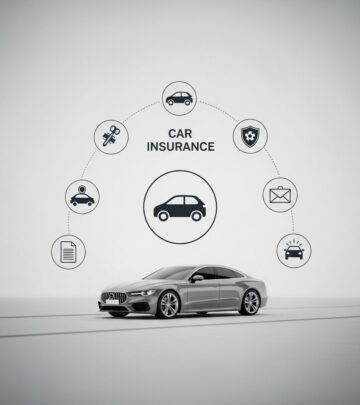
- Collision: Repairs your car after crashes, regardless of fault. Essential for newer vehicles.
- Comprehensive: Handles theft, vandalism, weather, or animal collisions.
- Uninsured/Underinsured Motorist: Protects against drivers lacking sufficient coverage.
- Medical Payments (MedPay): Covers your injury costs, no-fault basis.
Financed cars usually require collision and comprehensive with specific deductibles set by lenders.
Special Considerations for New vs. Used Cars
Purchasing a new model often triggers higher initial rates due to replacement costs, while used cars may qualify for discounts if low-risk.
| Aspect | New Car | Used Car |
|---|---|---|
| Proof Timing | Required before lot exit | Before driving from seller |
| Coverage Needs | Often full due to financing | Minimum liability possible |
| Grace Period | Applies if replacing old car | 7-30 days if existing policy |
| Rate Factors | Higher for value/safety tech | Lower for age/mileage |
For used private sales, bind coverage using the VIN before test drives or transport.
Factors Influencing Your Premium Costs
Rates depend on personal and vehicle profiles. Clean records and safe cars yield savings.
- Driving history (accidents, tickets)
- Age, credit score, annual mileage
- Vehicle type (sports cars cost more)
- Discounts for students, safe drivers, multi-policy bundles
Shop around; premiums vary widely by provider.
Handling Grace Periods Wisely
Existing policyholders benefit from automatic extensions when adding vehicles, but confirm details with your insurer. Uninsured buyers have no buffer—coverage must precede keys.
Frequently Asked Questions
Can I drive a new car home without insurance?
No, in nearly all states, it’s illegal. Dealerships demand proof before release.
What if I’m buying from a private seller?
Secure insurance first using the VIN. You’re liable immediately upon ownership transfer.
Do I need full coverage for a financed car?
Yes, lenders require collision and comprehensive alongside liability.
How quickly can I get insurance?
Instantly online or via phone; binders provide immediate proof.
What’s the grace period for adding a new car?
Typically 7-30 days for existing customers, varying by insurer and state.
Pro Tips for Seamless Coverage Transition
- Pre-shop quotes with anticipated VIN.
- Notify your agent of purchase plans early.
- Opt for digital ID cards for speed.
- Review policy post-purchase for optimal limits.
By prioritizing insurance, you avoid legal pitfalls and ensure peace of mind from day one.
References
- First-Time Car Insurance Buyer’s Guide — Liberty Mutual. 2023. https://www.libertymutual.com/insurance-resources/auto/first-time-car-insurance-buyers
- What Documents Do You Need to Get Car Insurance? — Policygenius. 2023. https://www.policygenius.com/auto-insurance/what-do-i-need-to-get-car-insurance/
- How to Get Car Insurance Before Buying a Car — JD Power. 2023. https://www.jdpower.com/cars/shopping-guides/how-to-get-car-insurance-before-buying-car
- How Soon After Buying a Car Do You Need Insurance? — Car and Driver. 2023. https://www.caranddriver.com/car-insurance/a36267290/how-soon-after-buying-a-car-do-you-need-insurance/
- Do You Need Insurance to Buy a Car? — FB Insurance TN. 2023. https://www.fbitn.com/blog/insurance-101/do-you-need-insurance-to-buy-a-car
- Insurance Tips for Privately Buying a Used Car — Allstate. 2023. https://www.allstate.com/resources/car-insurance/insurance-for-buying-used-car
- Insurance When Buying a Used Car — Progressive. 2023. https://www.progressive.com/answers/used-car-insurance/
Similar Articles








Read full bio of Sneha Tete