Apartment Rental Approval: 3 Proven Steps To Get Approved
Master the rental application process with proven strategies to boost your approval odds and land your ideal home effortlessly.

Renting an apartment requires more than just finding the right place; it demands a strong application that stands out to landlords. In today’s competitive housing market, approval hinges on financial stability, reliable references, and thorough preparation. This guide outlines actionable strategies to enhance your rental profile and navigate the screening process successfully.
Understanding What Landlords Look For
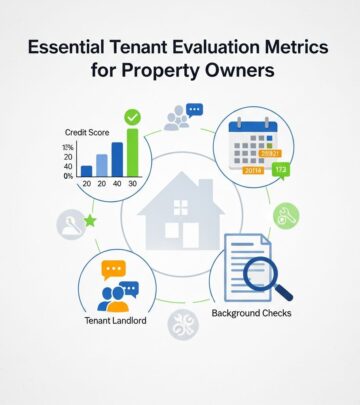
Landlords prioritize tenants who pose minimal risk. They evaluate credit history, income levels, rental background, and criminal records to ensure reliability. A typical screening checks if your monthly income exceeds 2.5 to 3 times the rent, reveals no major evictions, and shows responsible financial behavior.
- Financial Proof: Pay stubs, tax returns, or bank statements demonstrating steady earnings.
- Credit Check: Scores above 650 often secure approvals; lower scores need compensating factors like a cosigner.
- Rental History: Positive references from prior landlords confirming timely payments and property care.
Recent state laws, such as those streamlining housing permits, indirectly benefit renters by increasing available units, but individual qualifications remain key.
Building a Strong Financial Foundation
Your finances form the cornerstone of any rental application. Start by reviewing your credit report from major bureaus to identify and dispute errors. Aim to pay down debts and avoid new credit inquiries before applying.
| Factor | Ideal Benchmark | Impact on Approval |
|---|---|---|
| Debt-to-Income Ratio | Under 40% | High – Shows affordability |
| Credit Score | 650+ | Critical – Indicates payment reliability |
| Income Multiple | 3x Rent | Essential – Proves rent coverage |
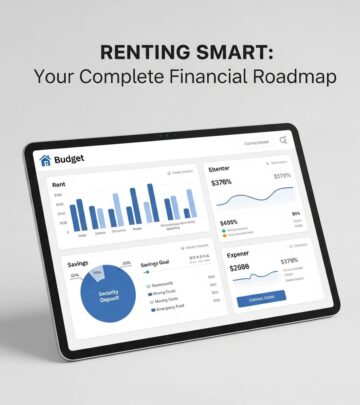
Save for a security deposit equivalent to one or two months’ rent, as new laws in some areas cap these at one month’s rent for certain units. Offer to pay several months upfront if your profile is borderline, signaling commitment.
Optimizing Your Credit Profile for Renting
A solid credit score signals trustworthiness. If yours is low, take immediate steps: pay bills on time, reduce credit card balances below 30% utilization, and consider secured credit cards to build history. Experian notes that even renters without credit can use alternative data like utility payments.
Request free weekly credit reports to monitor progress. In competitive markets, a score in the 700s can tip scales in your favor, especially amid housing shortages eased by permitting reforms.
- Dispute inaccuracies promptly via bureau websites.
- Become an authorized user on a family member’s strong credit card.
- Enroll in rent-reporting services to convert payments into positive credit history.
Preparing Essential Documentation
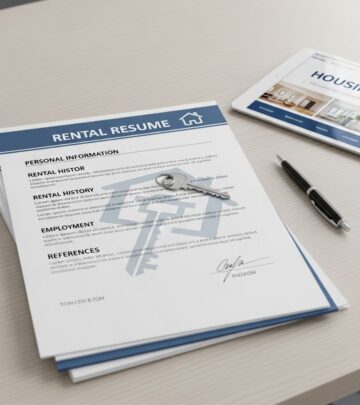
Compile a renter’s resume beforehand: include employment verification, recent pay stubs (last 2-3 months), bank statements, and ID copies. A cover letter explaining your rental history and enthusiasm for the property personalizes your application.
Anticipate requests for:
- Government-issued photo ID.
- Social Security number for background checks.
- Pet vaccination records if applicable.
- Vehicle registration for parking needs.
Digital organization via a shared folder speeds up submissions, impressing busy landlords.
Leveraging Employment and Income Verification
Landlords verify income to confirm sustainability. Self-employed applicants should provide tax returns (Form 1040) and profit/loss statements. Gig workers can use 1099 forms and platform earnings summaries.
Secure a letter from your employer stating position, salary, and start date. Combined household income counts, so include a partner’s details with consent. Amid 2026 rental updates requiring appliances like stoves in habitable units, stable income ensures you meet ongoing obligations.
Securing Stellar Rental References
Past landlords provide the most valued endorsements. Contact them early for written confirmation of on-time payments, no damages, and notice compliance. If history is thin, use professional references or prior roommates.
Avoid negative contacts by resolving disputes first. Positive references can offset minor credit dings, as landlords value proven tenancy over perfect finances.
Navigating Background and Eviction Checks
Criminal background checks focus on recent, relevant offenses; many jurisdictions limit use of old convictions. Eviction records are red flags—explain any with documentation of resolution.
Some states seal minor records; check local laws. Transparency in your application, paired with a personal interview, builds trust.
Strategies for First-Time or Challenged Renters
No rental history? Offer larger deposits or get a guarantor with strong credentials. Students can use parental cosigners. Rebuilding after setbacks involves consistent positive actions like timely utility payments.
In areas with new ADU streamlining laws, more options emerge for entry-level renters. Apply to multiple properties simultaneously to increase odds without overextending.
Mastering the Application Submission Process
Submit promptly with all documents. Follow up politely within 24-48 hours. Be flexible on move-in dates and negotiate terms like parking or maintenance.
Understand fees: application costs $30-50 per adult; clarify refund policies. In 2026, some laws mandate opt-out options for internet billing, affecting budget planning.
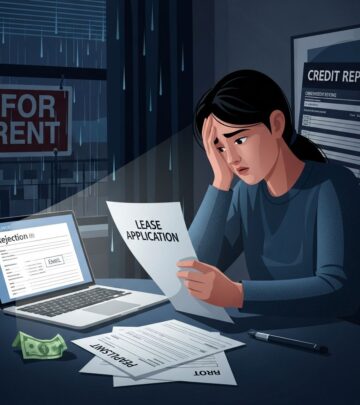
Overcoming Common Rejection Reasons
Rejections stem from insufficient income (40%), poor credit (30%), or bad references (20%). Address by boosting savings, disputing errors, or lining up alternatives like cosigners.
- Low Income: Seek roommates or higher-paying jobs.
- Poor Credit: Provide proof of improvement.
- No History: Start with sublets or family rentals.
Legal Rights and Protections for Applicants
Fair Housing laws prohibit discrimination based on race, gender, disability, or source of income (e.g., vouchers in some states). Request reasonable accommodations if needed.
New permitting timelines shorten approval waits for developments, potentially easing market pressure. Know your rights to challenge unfair denials.
Enhancing Your Appeal with Extras
Differentiate by pre-paying rent, offering auto-pay setup, or highlighting long-term tenancy intent. Clean presentation—professional photos of your current space—impresses.
For pet owners, pet resumes with training proof help. Smokers disclose upfront and commit to outdoor habits.
Timing Your Application Right
Apply mid-week when leasing agents are less swamped. Target buildings under 50% occupancy for better leverage. Avoid month-end rushes.
With 2026 laws expanding habitability standards like mandatory refrigerators, ensure your budget aligns.
FAQs: Apartment Approval Essentials
Q: What’s the minimum credit score for approval?
A: Typically 620-650, but varies by landlord; compensate lows with strong income.
Q: Can I rent with no credit history?
A: Yes, via cosigners, larger deposits, or rent-reporting services.
Q: How much income do I need?
A: 2.5-3x monthly rent; verify with recent documents.
Q: What if I have an eviction?
A: Explain circumstances with court papers; focus on post-incident stability.
Q: Are pets a deal-breaker?
A: Often not with fees and proof of good behavior.
Final Steps to Rental Success
Polish your profile months ahead, stay organized, and exude reliability. Persistence pays off in securing your next home.
References
- California’s 2026 Housing Laws: What You Need to Know — Holland & Knight. 2025-12-01. https://www.hklaw.com/en/insights/publications/2025/12/californias-2026-housing-laws-what-you-need-to-know
- New compliance forms for 2026 now available: Key updates tied to new laws — California Apartment Association. 2026-01-01. https://caanet.org/new-compliance-forms-for-2026-now-available-key-updates-tied-to-new-laws/
- IMPORTANT UPDATE: 2026’s New State Housing Laws — AAGLA. 2026-01-01. https://members.aagla.org/news/important-update-2026s-new-state-housing-laws
- New California Rental Laws for 2026 Require Changes for Housing Providers — AAOC. 2026-01-01. https://www.aaoc.com/news/2026-california-rental-laws
- New California law requires fridge and stove for all apartments — CalMatters. 2025-12-01. https://calmatters.org/housing/2025/12/california-new-law-apartments-fridge/
Similar Articles








Read full bio of Sneha Tete