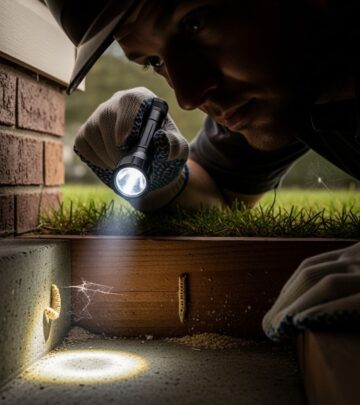
Section 8 Inspection FAQs: Everything You Need to Know
Complete guide to Section 8 housing inspections: requirements, process, and FAQs for landlords.
What Is a Section 8 Inspection?
A Section 8 inspection is a mandatory evaluation of rental properties conducted by HUD-approved inspectors to verify that units meet the Housing Quality Standards (HQS) established by the U.S. Department of Housing and Urban Development. These inspections ensure that properties participating in the Section 8 Housing Choice Voucher Program are safe, sanitary, and suitable for habitation. The inspection process evaluates both the interior and exterior of the property, examining structural integrity, safety features, mechanical systems, and overall cleanliness. Property owners must pass these inspections to remain eligible for Section 8 housing assistance payments, which compensate landlords for a portion of the tenant’s rent.
The Purpose of Section 8 Inspections
Section 8 inspections serve a critical function in protecting the health and safety of low-income families who rely on housing assistance. The primary purpose is to ensure that rental units meet minimum housing standards set by HUD and local housing authorities. During inspections, trained evaluators verify that properties are decent, safe, and sanitary, free from hazards that could endanger occupants. These inspections also help maintain program integrity by ensuring landlords are maintaining their properties to acceptable standards and that housing assistance funds are being used appropriately. By conducting regular inspections, HUD protects vulnerable populations from substandard housing conditions while holding landlords accountable for property maintenance.
Types and Frequency of Section 8 Inspections
The Section 8 program conducts several types of inspections at different intervals to ensure ongoing compliance with housing standards.
Initial or Move-In Inspection
The initial inspection is mandatory before a property can be approved for the Section 8 program. This inspection occurs after a landlord has screened a tenant and submitted a Request for Tenant Acceptance Form to the local Public Housing Authority (PHA). During this inspection, evaluators assess whether the rental unit meets HQS standards for the first time. Properties must be vacant with all utilities activated before the inspection takes place. If the property passes, the landlord can execute a Housing Assistance Payments (HAP) contract and lease with the tenant. If it fails, landlords have 24 hours to correct life-threatening issues and up to 30 days for non-life-threatening deficiencies.
Annual and Biennial Inspections
After the initial inspection, properties must undergo regular inspections to maintain Section 8 eligibility. Annual inspections must occur within 365 days of the last full inspection, typically coinciding with lease renewal periods. Some jurisdictions conduct biennial inspections instead, requiring evaluations every 730 days or two years. These ongoing inspections verify that landlords continue to maintain properties to HQS standards and address any deficiencies from previous inspections.
Complaint and Audit Inspections
In addition to scheduled inspections, HUD may conduct special inspections in response to tenant complaints about health or safety issues. Audit inspections are also performed quarterly for quality control purposes, with homes selected at random. These unscheduled inspections help ensure that properties maintain standards between regular inspections and that landlords promptly address tenant concerns.
The Section 8 Inspection Process
Understanding the inspection process helps landlords prepare and know what to expect during an evaluation.
Notification and Scheduling
Property owners and managers are typically notified of inspection dates and times in advance, usually providing several days’ notice. This advance warning allows landlords and tenants to prepare the property. Exceptions occur when inspections are related to significant health or safety complaints, in which case inspectors may conduct unannounced evaluations. The inspection is typically performed by an inspector from the local public housing authority or an outside firm hired by the PHA.
The Inspection Walkthrough
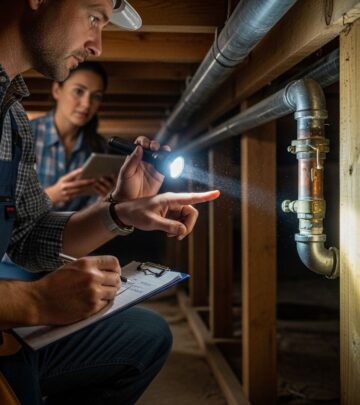
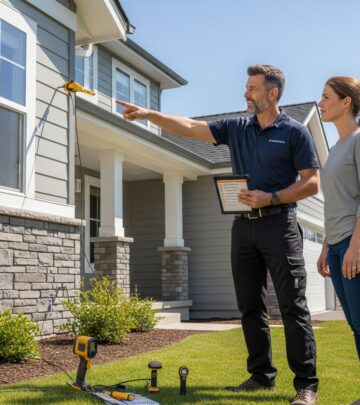
During the inspection, evaluators systematically examine every component of the rental unit, from the exterior to each interior room. Inspectors check floors, walls, and ceilings for structural integrity and cleanliness. They verify that all mechanical systems function properly, including HVAC units, plumbing, electrical systems, and hot water heaters. Inspectors also document the condition of doors, windows, stairs, railings, porches, and entryways to ensure security and safety.
Scoring System
Inspectors evaluate each item using a three-point scoring system. A “pass” indicates the area fully complies with Section 8 standards. A “fail” indicates the deficiency must be corrected. An “inconclusive” score means the inspector needs additional information from the landlord. Importantly, if even one area fails inspection, the entire unit is considered a failed inspection. This strict standard ensures that all deficiencies are addressed before housing assistance begins.
What Inspectors Check During Section 8 Inspections
Section 8 inspections are comprehensive, evaluating numerous components of the rental property to ensure habitability and safety.
Kitchen Evaluation
Inspectors verify that kitchens have functioning stoves or ranges with working ovens, refrigerators, and sinks with running water. They assess whether adequate space exists for safe food storage and preparation. Electrical hazards, such as exposed wiring or damaged outlets near water sources, are documented. The inspector confirms that the kitchen is clean and free from pest infestation or excessive grease buildup.
Bathroom Assessment
Bathrooms must have functioning flush toilets in closed rooms, fixed wash basins, and either bathtubs or showers. Inspectors check plumbing fixtures for leaks and proper operation. Ventilation is verified to ensure adequate air circulation and moisture control. Bathrooms must be clean and free from mold, mildew, or water damage.
Electrical System Inspection
Inspectors examine all electrical outlets for proper covers and check for hazardous conditions such as bare wires, missing outlet covers, uncovered fuse boxes, spliced wiring, or loose light fixtures. Ground fault circuit interrupter (GFCI) outlets are often required in bathrooms and kitchens. The electrical panel must be accessible and properly maintained.
Plumbing and Water Systems
All plumbing must function properly, with no leaks detected. Water heaters must have functioning Temperature Pressure Relief Valves with drip legs extended to within six inches of the floor. Hot and cold running water must be available throughout the unit. Sewer connections must be secure and functioning properly.
HVAC and Climate Control
Heating, ventilation, and air conditioning systems must be functional and maintained. During winter inspections, landlords must provide adequate heating. Air conditioning is required in some jurisdictions. Inspectors verify that thermostats are present and operational and that the system can maintain comfortable temperatures.
Safety Features
Smoke detectors must be present and functional throughout the unit. Carbon monoxide detectors are required in units with fuel-burning appliances. Fire extinguishers may be required in common areas. Stairs with four or more steps must have handrails, and porches elevated more than thirty inches from ground level must have protective railings or barriers. Exterior doors must have secure locks with properly functioning strike plates.
Exterior and Structural Components
The exterior is evaluated for structural soundness, with inspectors checking the foundation, roof, gutters, entryways, exits, driveways, stairs, rails, and porches. Windows must be intact without cracks or breaks, and first-floor windows must have functioning locks. Chimneys must be properly maintained. The grounds must be free from excessive debris or garbage.
Lead-Based Paint Assessment
For properties built before 1978, inspectors assess the presence of lead-based paint and its condition. Peeling, chipping, or deteriorating paint is documented and may require remediation or encapsulation to prevent lead exposure, particularly in units where children or pregnant women reside.
Common Section 8 Inspection Deficiencies
Understanding frequently cited deficiencies helps landlords address issues proactively before inspections occur.
Life-Threatening Deficiencies
These critical issues must be corrected within 24 hours. Examples include:
– Broken or cracked windows- Missing locks on first-floor windows- Missing handrails on interior or exterior stairs with four or more steps- Missing railings or protective barriers on porch landings more than thirty inches from ground level- Hazardous electrical systems including bare wires, missing outlet covers, uncovered fuse boxes, spliced wiring, or loose light fixtures- Non-functioning stove or range- Water heater lacking a Temperature Pressure Relief Valve with properly extended drip leg- Plumbing leaks- Units that are not clean, including dirty floors, carpets, stoves, refrigerators, or bathroom fixtures- Exterior door locks that are not secure
Non-Life-Threatening Deficiencies
These issues must be corrected within 30 days and include problems such as inoperative ceiling fans, chipped paint, water stains, damaged molding, malfunctioning light switches, or minor plumbing issues like slow drains. While not immediately dangerous, these deficiencies must still be addressed to maintain HQS compliance.
How to Prepare for a Section 8 Inspection
Proper preparation significantly improves the likelihood of passing inspection on the first attempt.
Before the Inspection Date
Complete all necessary repairs well in advance of the scheduled inspection. Conduct your own pre-inspection walkthrough, checking every area that HUD inspectors will evaluate. Deep clean the entire unit, including all appliances, fixtures, and surfaces. Ensure all utilities are activated and functioning. Replace burnt-out light bulbs, repair leaky faucets, and touch up damaged paint. Clear all clutter and remove any previous tenant’s belongings. Verify that all doors and windows have functioning locks and that smoke detectors have fresh batteries.
On Inspection Day
Ensure the unit is vacant and that all utilities remain on throughout the inspection. Make sure all doors are accessible to the inspector. Provide copies of any maintenance records or recent repairs. Be courteous and available to answer questions about the property’s systems and maintenance history.
After Failed Inspections
If the property fails inspection, carefully review the inspector’s report detailing all deficiencies. Prioritize corrections based on severity, addressing life-threatening issues first. Document all repairs with photos and receipts. Request a re-inspection after completing corrections to verify that all issues have been resolved. In some cases, PHAs may allow tenancy to begin before minor repairs are completed, but this varies by jurisdiction.
Frequently Asked Questions About Section 8 Inspections
Q: How often are Section 8 inspections conducted?
A: Initial inspections occur before program approval. Subsequent inspections happen annually or biennially depending on your local PHA’s requirements. Complaint-based and audit inspections may occur at any time outside the regular schedule.
Q: What happens if my property fails inspection?
A: Deficiencies are categorized as life-threatening or non-life-threatening. Life-threatening issues must be corrected within 24 hours, while non-life-threatening deficiencies have 30 days for correction. The property will be re-inspected after repairs are completed.
Q: Can I be present during the inspection?
A: Yes, landlords and property managers are typically encouraged to be present. However, the tenant also has rights, and the inspection must not interfere with the tenant’s quiet enjoyment of the property.
Q: What if I disagree with the inspection findings?
A: You can request a re-inspection or appeal the findings through your local PHA. Document any disputes with photos and maintain records of all maintenance and repairs.
Q: Are inspection fees charged to landlords?
A: Initial inspections are typically free. Some PHAs may charge fees for re-inspections or complaints, though this varies by jurisdiction. Contact your local PHA for specific fee information.
Q: What should I do to prepare the property for inspection?
A: Ensure all utilities are on, complete all necessary repairs, deep clean the unit, verify that all mechanical systems function properly, remove clutter, and confirm that doors and windows have secure locks. Have all smoke detectors installed and functional.
Q: Can tenants request repairs during the inspection process?
A: Tenants should report maintenance issues to their landlord or property manager. While the inspection identifies HQS violations, tenants can also request repairs separately through normal maintenance channels.
Q: What is the Housing Quality Standards (HQS)?
A: HQS are the minimum housing standards established by HUD that all Section 8 properties must meet. These standards cover safety, sanitation, structural integrity, and functionality of essential systems and appliances.
Maintaining Section 8 Compliance Long-Term
Passing the initial inspection is just the beginning. Maintaining Section 8 eligibility requires ongoing property maintenance and attention to potential issues. Develop a regular maintenance schedule that addresses seasonal needs, such as HVAC servicing, gutter cleaning, and roof inspections. Respond promptly to tenant maintenance requests, as unaddressed repairs can lead to complaint-based inspections. Keep detailed records of all maintenance and repairs performed. Maintain adequate insurance coverage and comply with all local building codes and regulations. By staying proactive and attentive to property maintenance, landlords can ensure continued Section 8 program participation and avoid costly corrections at inspection time.
References
- Requirements for Section 8 Housing Inspection — Portage Housing Commission. 2024. https://portagehousing.org/section-8-housekeeping-inspections/
- A Landlord’s Guide to Section 8 Inspections — HUD Loans. 2024. https://www.hud.loans/hud-loans-blog/section-8-inspection-guide/
- Section 8 Inspections: A Landlord’s Essential Guide for 2024 — Coastline Equity. 2024. https://coastlineequity.net/insights/coastline-equity-blog/section-8-inspections-a-landlord-s-essential-guide-for-2024
- Section 8 Inspections – Metro Housing Boston — Metro Housing Boston. 2024. https://www.metrohousingboston.org/our-programs/housing-stability/housing-choice-voucher-programs-section-8/housing-choice-voucher-program-section-8-2/inspections/
- Section 8 Inspections: The Complete Guide for Landlords — The Inspection Group. 2024. https://www.theinspectiongroup.com/section-8-inspections-guide-for-landlords/
- Section 8 Landlords Housing Inspection Information — AHACV.org. 2024. https://www.ahacv.org/housing-programs/section-8-housing/landlords/housing-inspection-information/
- Section 8 Voucher Housing Inspection Process in Santa Clara County — Santa Clara County Housing Authority. 2024. https://www.scchousingauthority.org/section-8/housing-inspections/
Similar Articles








Read full bio of Sneha Tete