Secondhand Gifts: Save Money & Shop Thoughtfully
Discover why secondhand gifts are the smart choice for budget-conscious, eco-friendly holiday shopping.
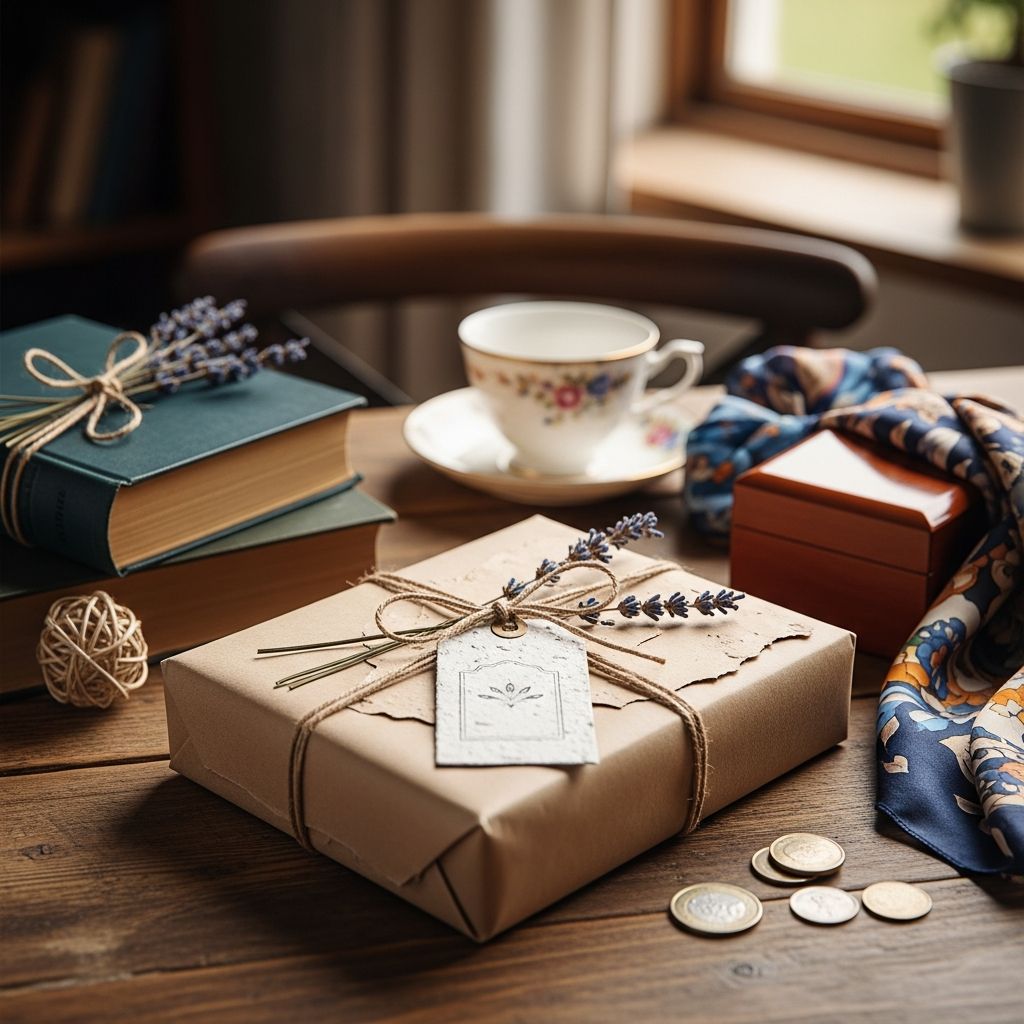
Whether you’re living day-to-day on a smaller budget or cutting back to save up for a future expense, giving secondhand gifts could help you save a ton of money. And your unique gift will likely be cherished just as much as — if not more than — a brand-new item. The trend of secondhand gifting has grown significantly, with more people recognizing that pre-loved items offer substantial benefits beyond just cost savings.
Why Secondhand Gifts Make Sense
Secondhand gifting isn’t just a budget hack—it’s a thoughtful approach to present-giving that aligns with modern values. When you choose to give a pre-loved item, you’re making a deliberate decision to prioritize meaning over mass production. This approach stands in stark contrast to the pressure many people feel to purchase expensive, brand-new gifts that may not reflect the recipient’s true interests or needs.
The beauty of secondhand shopping lies in its ability to combine financial wisdom with genuine thoughtfulness. Rather than defaulting to generic new products, secondhand shopping encourages you to hunt for items that truly match the person you’re buying for. This intentional process often results in more memorable and appreciated gifts than anything you’d grab off a store shelf.
Save Money With Secondhand Holiday Shopping
One of the most immediate benefits of secondhand gifting is the substantial savings. Budget constraints are a reality for many households, especially during the holiday season when gift-giving expenses can quickly spiral out of control. Secondhand shopping provides a practical solution that doesn’t require compromising on quality or thoughtfulness.
When you shop secondhand, you gain access to high-quality items at a fraction of their original retail prices. Designer goods, brand-name products, and luxury items become attainable when purchased pre-loved. This means you can either stretch your budget further across multiple recipients or invest in truly special pieces without guilt or financial strain.
The financial advantages extend beyond individual purchases. By choosing secondhand gifts strategically, you can:
- Purchase multiple quality items within the same budget that might otherwise afford only one new gift
- Access premium brands and higher-end products at secondhand prices
- Avoid the premium markups associated with new retail items
- Reduce overall holiday spending while maintaining gift quality
- Redirect savings toward experiences or other meaningful purchases
Environmental Benefits of Secondhand Gifting
Beyond personal finances, secondhand gifting carries significant environmental advantages. The production of new items requires substantial energy, raw materials, and resources. Manufacturing, packaging, and shipping all contribute to a product’s environmental footprint. By choosing secondhand gifts, you’re actively reducing demand for new production and the associated environmental impact.
Every pre-loved item given a second life represents one fewer item that needs to be manufactured. This reduction in production demand helps conserve natural resources, decrease energy consumption, and minimize waste generation. Instead of items ending up in landfills where they can release harmful greenhouse gases, heavy metals, and other pollutants, secondhand shopping keeps products in circulation and extends their useful life.
The environmental case for secondhand gifting is compelling: you’re avoiding the destructive extraction and production of raw materials while preventing waste accumulation. This makes each secondhand gift a small but meaningful act of environmental stewardship.
Finding Unique and Meaningful Treasures
Secondhand shopping offers an unparalleled advantage: access to truly unique items. Unlike mass-produced new goods found in every mall and online retailer, secondhand treasures often come with history, character, and individuality. This uniqueness translates directly into more memorable gifts.
When you give a secondhand gift, you’re often giving something with a story—an item that carries history and character that factory-fresh merchandise simply cannot replicate. Recipients appreciate the thoughtfulness behind selecting something special and distinctive, rather than receiving the same gift everyone else might get.
Supporting Local Communities and Causes
Many secondhand stores are directly connected to charitable organizations and local causes. When you purchase from these retailers, your money supports meaningful community initiatives. This dual benefit—giving a thoughtful gift while supporting local charities—adds another layer of purpose to your secondhand shopping.
Shopping at neighborhood brick-and-mortar secondhand stores also strengthens local economies. Your dollars stay within the community, supporting small business owners and local entrepreneurs rather than flowing to massive corporations. This creates a positive economic ripple effect that benefits your entire community.
The Creativity Factor: Personalize Your Secondhand Gifts
Secondhand gifts offer exceptional opportunities for creativity and personalization. Rather than simply wrapping up a pre-loved item as-is, you can transform secondhand treasures into truly customized gifts that reflect your relationship with the recipient.
Consider these creative approaches:
- Assemble a curated gift basket combining multiple thrifted items around a theme
- Fill a vintage frame with meaningful photos or artwork the recipient loves
- Write favorite family recipes on cards stored in a beautiful thrifted recipe box
- Pair a unique vintage pot with a houseplant or homemade candles
- Combine vintage dishes and glassware into a collection for a new homeowner
- Create a custom collection of vintage books around the recipient’s interests
This personal touch transforms secondhand gifts from simple cost-saving measures into thoughtful, memorable presents that show genuine care and effort.
10 Outstanding Secondhand Gift Ideas
Not sure what secondhand items make the best gifts? Here are ten proven options that recipients consistently appreciate:
- Vintage Books: Old hardcover novels and reference books make excellent gifts for readers and collectors. Look for first editions, signed copies, or books related to the recipient’s hobbies and interests.
- Antique Jewelry: Vintage jewelry pieces, from rings and brooches to necklaces and watches, offer timeless beauty and uniqueness that new costume jewelry cannot match.
- Board Games and Puzzles: Look for complete, pre-loved games or pass along quality games from your own collection. Vintage board games are increasingly collectible and entertaining.
- Vintage Dishes and Glassware: Thrifted dishes and antique glassware are unique and often possess character and charm that modern dishware lacks. Perfect for entertaining enthusiasts.
- Cookware and Baking Supplies: Vintage cast iron, unique baking molds, and enamelware appeal to food lovers and home bakers. Well-made vintage cookware often outlasts modern alternatives.
- Crafting Kits and Supplies: For creative friends, bundles of yarn, sewing patterns, or painting supplies offer exceptional value when purchased secondhand.
- Upcycled Planters: Pair a unique pot with a houseplant, or use interesting glassware to create custom candles for home décor enthusiasts.
- Children’s Toys and Books: Quality secondhand books and classic toys are always appreciated by families with young children. Vintage toys often become cherished keepsakes.
- Recipe Collections: Write favorite family recipes on vintage recipe cards and store them in a beautiful thrifted recipe box for a truly personalized gift.
- Framed Artwork: Find a nice frame secondhand, then fill it with meaningful photos, inspiring quotes, or prints of artwork the recipient loves.
Where to Shop for Secondhand Gifts
Knowing where to shop is crucial for successful secondhand gift-giving. Different retailers specialize in different types of items, so understanding your options helps you find exactly what you’re looking for.
| Retailer Type | Best For | Key Characteristics |
|---|---|---|
| Thrift Stores | Wide variety of items | Find everything from housewares to books and clothing; constantly changing inventory; budget-friendly prices |
| Consignment Stores | Higher-end and designer goods | Carefully curated selection; higher price points; quality assurance on items |
| Antique Shops | Items with history and charm | Specialized, curated collections; unique vintage and collectible items; knowledgeable staff |
| Sporting Goods Stores | Sports equipment and gear | Specialized retailers like Play It Again Sports; perfect for sports enthusiasts; equipment quality guaranteed |
| Online Marketplaces | Convenience and selection | Browse from home; local pickup options; wide inventory; shipping available |
| Community Groups | Free or deeply discounted items | No-cost giving and receiving; strong community connections; free items available |
Online and Digital Options
Facebook Marketplace: This platform lets you find local sellers, often at competitive prices. It’s an excellent source for furniture, home décor, and sometimes vintage or collectible items. The ability to communicate directly with sellers and arrange local pickup saves on shipping costs.
Buy Nothing Groups: Find your local Buy Nothing group on Facebook or through the dedicated Buy Nothing app. Community members give away items they no longer need or request items others might have. It’s a wonderful way to find free items and build neighborhood connections.
Freecycle Network: Similar to Buy Nothing groups and often popular in specific geographic areas, Freecycle connects people looking to pass along items for free within their communities.
Specialty Online Retailers: Many websites specialize in vintage jewelry, home décor, and collectible items, offering curated selections and shipping options.
Tips for Successful Secondhand Gift-Giving
To ensure your secondhand gifts are well-received and appropriate, keep these important guidelines in mind:
Match the Gift to the Person
Although a growing number of people report openness to receiving secondhand gifts, it remains crucial to choose meaningful gifts the recipient will genuinely love. Since some secondhand gifts cannot be easily returned, carefully consider whether the gift will be the right fit—literally and figuratively.
For example, an antique flowerpot for an aunt who enjoys gardening lands better than a vintage dress that may not match her size or personal style. Consider the recipient’s actual needs, preferences, and lifestyle when selecting secondhand gifts.
Consider Age and Generational Preferences
Younger generations, particularly Generation Z, report notably higher rates of interest in secondhand gifts and secondhand items in general. This demographic actively appreciates and seeks out vintage and pre-loved products. Keep age in mind when shopping, as different age groups may have varying comfort levels with secondhand gifting.
Avoid Overbuying
Just because secondhand shopping is cheaper and more eco-friendly than buying new doesn’t mean there’s no cost to purchasing unnecessary items. Overbuying and distributing secondhand items can perpetuate harm by pricing out families with limited shopping options and increasing waste headed to landfills.
Choose items you know will be loved, think about the long-term usefulness of products you buy, and consider giving experiences instead of purely material items when appropriate.
Consider Regifting as an Option
If you want to save money and declutter simultaneously, consider regifting items you already own. If you’ve ever received a gift that sat unused in your closet, regifting offers a way to pass it to someone who will truly appreciate it.
With growing societal acceptance of regifted items, a gift that wasn’t quite right for you might be perfect for someone else. Platforms like SoKind even facilitate regifting by letting you share lists of gifts you’d like to pass along with friends and family.
The Growing Movement Toward Secondhand Gifts
Secondhand gifting is transitioning from a budget-conscious backup plan to a mainstream choice. More people are recognizing that pre-loved items often possess qualities superior to mass-produced new merchandise. There’s a growing perception that secondhand gifts are actually classier than today’s factory-produced alternatives.
This shift reflects changing values around consumption, sustainability, and authenticity. Rather than viewing secondhand gifts as compromises, people increasingly see them as superior choices—items with history, character, and meaning that new products cannot offer.
Frequently Asked Questions
Q: Will recipients feel offended if I give them a secondhand gift?
A: Not necessarily. A growing percentage of people (66%-72%) express openness to receiving secondhand gifts, especially younger generations. The key is selecting something meaningful and thoughtful. If the gift shows genuine care and consideration, recipients typically appreciate the effort and uniqueness.
Q: How do I ensure secondhand gifts are clean and in good condition?
A: Inspect items carefully before purchasing. Check for functionality, cleanliness, and any damage. Many secondhand retailers inspect items before selling. Don’t hesitate to ask staff about an item’s condition or history. For delicate items, gentle cleaning may be appropriate before gifting.
Q: Is secondhand shopping always cheaper than buying new?
A: Generally yes, but not always for every item. Secondhand shopping allows you to either save money or upgrade to higher-quality, luxury items within your existing budget. The real benefit is choice and value—you get more for your money.
Q: What types of items shouldn’t be purchased secondhand as gifts?
A: Be cautious with items requiring specific sizing (clothing, shoes) unless you’re certain of the recipient’s size. Avoid intimate items, personal care products, or anything with questionable hygiene history. Electronics may lack warranties. Use judgment based on the item and recipient.
Q: How can I present a secondhand gift so it feels special?
A: Wrap secondhand gifts beautifully, include a thoughtful card explaining why you selected that specific item, or personalize it by pairing it with something new. Share the story behind the item or explain how it matches the recipient’s interests and lifestyle.
Q: Are there any environmental benefits to secondhand gifting?
A: Absolutely. Secondhand gifting reduces demand for new production, conserves natural resources, decreases manufacturing energy consumption, and prevents items from ending up in landfills. It’s an environmentally responsible choice that extends product life cycles.
References
- Should You Give Secondhand Gifts? — Sustainable in the Suburbs. Accessed January 2026. https://sustainableinthesuburbs.com/should-you-give-secondhand-gifts/
- Secondhand Giving – Simplify the Holidays — Simplify the Holidays. Accessed January 2026. https://simplifytheholidays.org/secondhand-giving
- 27 Benefits of Thrifting (that will surprise you!) — Minimize My Mess. Accessed January 2026. https://www.minimizemymess.com/blog/benefits-of-thrifting
- Why Secondhand Is Now Better Than New — Ted Gioia. Accessed January 2026. https://www.honest-broker.com/p/why-secondhand-is-now-better-than
- The Dos and Don’ts of Secondhand Gifting — Ethos. Accessed January 2026. https://the-ethos.co/secondhand-gifting-holiday-thrifting-guide/
- Spread eco-friendly joy with second-hand gifts — Renaissance Quebec. Accessed January 2026. https://renaissancequebec.ca/en/spread-eco-friendly-joy-with-second-hand-gifts/
Similar Articles








Read full bio of Sneha Tete