Second-Chance Checking Accounts: Complete Guide
Rebuild your banking history with second-chance checking accounts designed for those denied traditional accounts.
What is a Second-Chance Checking Account?
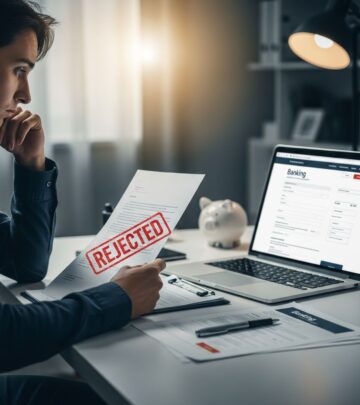
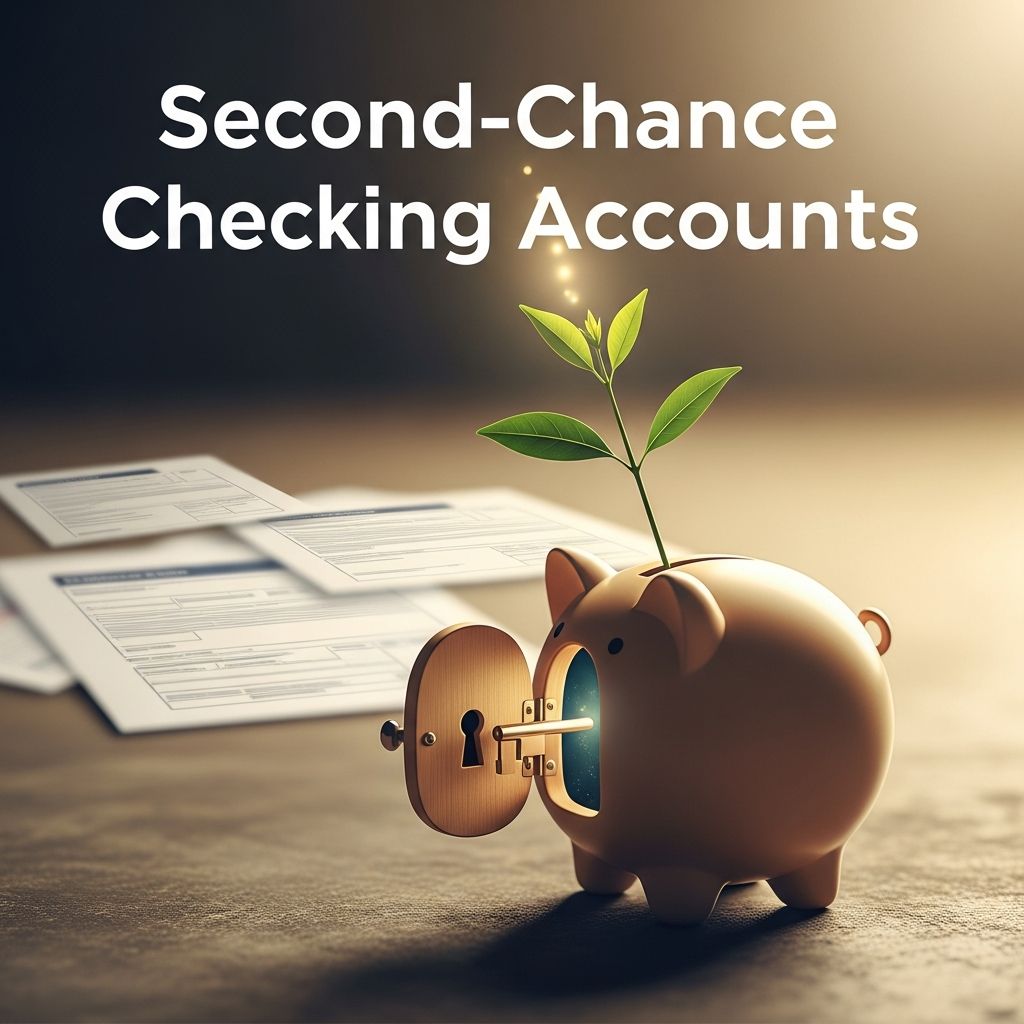
A second-chance checking account is a specialized banking product designed for individuals whose banking history prevents them from opening a standard checking account. These accounts serve as a bridge for people who have experienced banking difficulties such as unpaid negative balances, involuntary account closures, excessive overdrafts, bounced checks, or suspected fraud related to checking accounts. Second-chance banking, sometimes called bad-credit banking, represents a reduced-service and reduced-fee account that provides essential banking access to those who might otherwise remain unbanked.
The primary purpose of these accounts is to allow consumers to maintain access to the banking system while demonstrating responsible financial management over time. After maintaining the account responsibly for a designated period, typically 6 to 12 months, customers often have the opportunity to graduate to a standard checking account with fewer restrictions and lower fees.
Who Needs a Second-Chance Checking Account?
Second-chance checking accounts are primarily designed for individuals who have faced specific banking challenges. Common reasons why someone might be denied a traditional checking account include:
- An unpaid negative balance from an overdraft that resulted in involuntary account closure
- A history of bounced checks or frequent overdrafts
- Suspicion of fraud related to a checking account
- Being a joint account holder with someone else who experienced these problems
- Having negative information on their consumer banking report through ChexSystems
These accounts help bridge the banking gap that disproportionately impacts low-income communities, minorities, and individuals without an established banking history. By offering an alternative to remaining unbanked, second-chance accounts prevent consumers from relying on costly alternatives such as check-cashing services or prepaid debit cards.
Key Benefits of Second-Chance Checking Accounts
Despite their limitations, second-chance checking accounts offer several important advantages:
Access to Essential Banking Services
Second-chance accounts provide access to fundamental banking conveniences including depositing cash, using debit cards for purchases, and accessing ATMs. Account holders can also benefit from online banking platforms, mobile banking apps, and digital payment systems like Zelle. Many accounts offer direct deposit capabilities, allowing employees to receive paychecks electronically.
Bill Payment and Money Management
These accounts typically include bill pay features and autopay capabilities, making it easier for account holders to manage their monthly obligations on time. Mobile banking applications provide tools to monitor spending, establish budgets, and track financial progress.
Safety and Security
Money held in FDIC-insured second-chance accounts is significantly safer than keeping cash at home, where funds can be lost, stolen, or destroyed by natural disasters. FDIC insurance protects deposits up to the maximum limits, providing federal government protection for account balances.
Path to Account Graduation
After a set period of responsible account management—typically 6 to 12 months—customers may qualify to upgrade to a standard checking account with better terms and fewer restrictions. This graduation pathway helps rebuild banking credibility and credit history.
Avoiding Costly Alternatives
Second-chance accounts eliminate the need to use check-cashing services, which charge high transaction fees, or to purchase money orders for bill payments, both of which represent additional costs for unbanked consumers.
Common Features of Second-Chance Checking Accounts
Monthly Maintenance Fees
Many second-chance accounts charge monthly maintenance fees to keep the account active. Based on industry research, these fees commonly range between $5 and $12 per month, though some accounts may fall outside this range. It’s important to note that not all second-chance accounts charge these fees, and some institutions offer accounts where monthly fees are waivable by at least two methods.
Limited Check-Writing Privileges
Some second-chance accounts do not provide traditional check-writing capabilities, as banks use this restriction to reduce fraud risk and encourage responsible account management. However, with access to debit cards and bill pay features, most account holders can manage their financial obligations without paper checks.
Overdraft Restrictions
Unlike traditional checking accounts that allow overdrafts with corresponding fees, many second-chance accounts deny transactions that would result in a negative balance. This protective feature ensures account holders maintain a positive balance and develop responsible spending habits.
Debit Card and ATM Access
Most second-chance accounts include debit card access for in-person and online purchases, as well as ATM withdrawal capabilities. Some accounts may impose limits on daily debit card spending to further protect account security.
Digital Banking Tools
Modern second-chance accounts typically offer robust online and mobile banking platforms, enabling customers to check balances, transfer funds, pay bills, and monitor transactions. These digital tools are essential for modern account management.
Comparing Second-Chance Checking Account Providers
Different banks and credit unions offer varying features in their second-chance accounts. Here’s what to consider when comparing options:
| Feature | What to Look For |
|---|---|
| FDIC Insurance | Ensure the account is federally insured |
| Monthly Fees | Look for low or no monthly service fees |
| Minimum Balance | Choose accounts with low or no minimum balance requirements |
| Digital Banking | Confirm access to online and mobile banking platforms |
| ChexSystems Check | Some banks waive or don’t check ChexSystems reports |
| Direct Deposit | Verify if direct deposit is available (some accounts require it) |
| ATM Access | Confirm access to no-fee ATM networks |
Notable Second-Chance Account Providers
Several financial institutions offer well-regarded second-chance checking accounts with varying features and benefits:
- Chime: Offers accounts with no ChexSystems or credit checks, no monthly fees, no overdraft fees, no minimum balance requirements, and FDIC insurance. Chime provides a 2% APY on savings and includes a debit card for easy fund access.
- PNC Bank Foundation Checking: Certified by Bank On, this account meets strict criteria including a maximum $10 waivable fee, minimum opening deposits of $25 or less, no overdraft fees, and full access to no-fee ATM networks.
- Netspend: Provides second-chance accounts with FDIC insurance, overdraft protection options, and savings accounts with up to 6.00% APY, though accounts may charge monthly management fees.
How to Choose the Right Second-Chance Checking Account
When evaluating second-chance checking options, consider your specific financial needs and daily banking requirements. Prioritize features that matter most to your situation, such as:
- Monthly fees and whether they are waivable through meeting balance requirements or direct deposit
- Minimum balance requirements for opening and maintaining the account
- Availability of digital banking tools and mobile apps
- Access to ATM networks and whether ATM fees apply
- Whether the bank checks ChexSystems reports or overlooks negative entries
- Opportunities for account graduation to standard checking products
- Customer service quality and support availability
Once you’ve selected an account, commit to using it responsibly. Maintain a positive balance, avoid overdrafts, pay bills on time, and use digital tools to monitor your spending. This responsible behavior demonstrates to your financial institution that you’re ready for account graduation, opening doors to better banking products with fewer restrictions and lower fees.
Features That Set Quality Second-Chance Accounts Apart
The best second-chance checking accounts share certain characteristics that benefit account holders:
- No mandatory monthly fees or easily waivable fees
- No overdraft fees or overdraft protection requirements
- No extra fees for opening, closing, or maintaining low balances
- No fees for ATM use within their network
- Full FDIC insurance protection
- Access to modern digital banking and payment systems
- Clear pathways to account graduation with specific criteria
- Transparent terms and conditions without hidden fees
Frequently Asked Questions
Q: Will opening a second-chance checking account hurt my credit score?
A: Second-chance checking accounts typically don’t involve a hard credit pull and won’t directly impact your credit score. However, some banks may check ChexSystems records, which is a banking history database rather than a credit reporting system. Using your second-chance account responsibly can actually help rebuild your banking credibility.
Q: Can I write checks with a second-chance checking account?
A: This depends on the specific account. Some second-chance accounts don’t offer check-writing privileges, while others do. Be sure to verify this feature when comparing options. However, with online bill pay, debit cards, and digital payment apps, most people can manage their finances without traditional checks.
Q: How long before I can upgrade to a regular checking account?
A: Most financial institutions allow account holders to graduate to standard checking accounts after 6 to 12 months of responsible account management. This typically means maintaining a positive balance, avoiding overdrafts, and making on-time payments. Each bank has specific criteria for account graduation.
Q: Are second-chance checking accounts FDIC insured?
A: Yes, legitimate second-chance checking accounts at banks and credit unions are FDIC insured up to the applicable limits. This federal protection ensures your deposits are safe, making second-chance accounts far more secure than keeping cash at home.
Q: What if I don’t have direct deposit income?
A: While some second-chance accounts require or incentivize direct deposit, many don’t mandate it. You can typically meet account requirements through regular deposits and maintaining positive account activity. Verify specific requirements when comparing accounts.
Q: Can I access my account online and through mobile apps?
A: Most modern second-chance checking accounts offer online and mobile banking access. These digital tools allow you to check balances, transfer funds, pay bills, and monitor transactions from anywhere. Confirm this feature is available with your chosen provider.
Q: What happens if my account is overdrawn?
A: Unlike traditional accounts, most second-chance accounts deny transactions that would result in a negative balance rather than charging overdraft fees. This protective measure helps you maintain a positive balance and develop responsible spending habits.
Building Your Financial Future with Second-Chance Banking
Second-chance checking accounts represent more than just a banking product—they’re a pathway to financial stability and inclusion. By providing access to the banking system for those with troubled banking histories, these accounts help individuals avoid the cycle of relying on expensive alternatives like check-cashing services and prepaid cards.
The key to success with a second-chance account is consistent, responsible management. Avoid overdrafts, pay bills on time, maintain a positive balance, and utilize the digital tools provided to stay informed about your finances. These behaviors demonstrate to your financial institution that you’re ready for graduation to a standard checking account, which opens opportunities for better terms, lower fees, and access to additional banking products.
If you’ve been denied a traditional checking account or are concerned about your banking history, a second-chance checking account provides a legitimate opportunity to rebuild credibility and regain access to essential financial services.
References
- Second-Chance Checking Accounts: What To Know — Bankrate. January 2025. https://www.bankrate.com/banking/checking/second-chance-checking/
- What Is Second Chance Checking? | Credit Union 1 — Credit Union 1. Accessed January 2026. https://www.creditunion1.org/learn/cu1-education/what-is-second-chance-checking/
- What Is Second Chance Banking? | PNC Insights — PNC Bank. Accessed January 2026. https://www.pnc.com/insights/personal-finance/spend/what-is-second-chance-banking.html
- What is a second-chance bank account and who is it for? — Consumer Financial Protection Bureau (CFPB). Accessed January 2026. https://www.consumerfinance.gov/ask-cfpb/what-is-a-second-chance-bank-account-and-who-is-it-for-en-2153/
- What Is Second-chance Banking? – Netspend — Netspend. Accessed January 2026. https://www.netspend.com/blog/what-is-second-chance-banking
- What is Second Chance Banking and Second Chance Checking? — Chase Bank. Accessed January 2026. https://www.chase.com/personal/banking/education/basics/second-chance-banking
Similar Articles








Read full bio of Sneha Tete