Score Free Medical Supplies With Flex Spending
Unlock the power of your FSA or HSA to get everyday medical supplies at no out-of-pocket cost—maximize your benefits today.
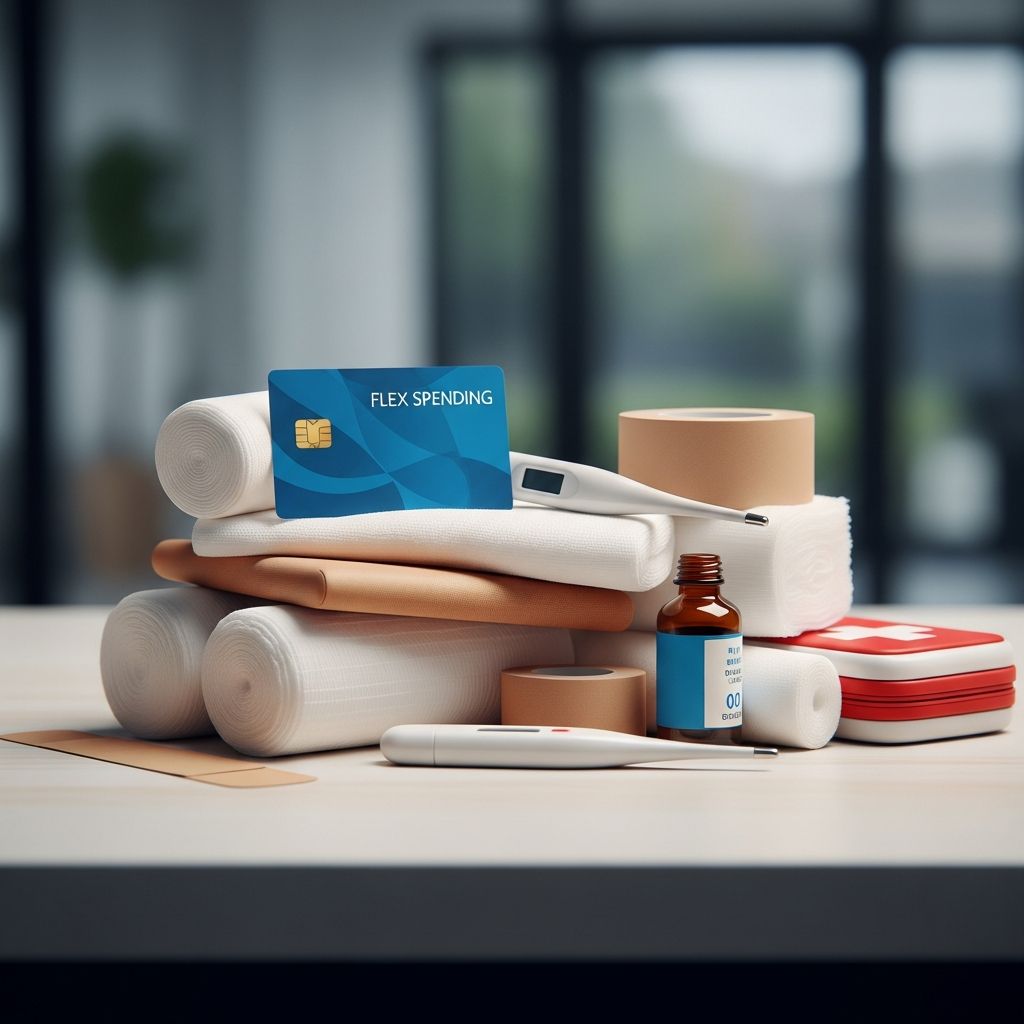
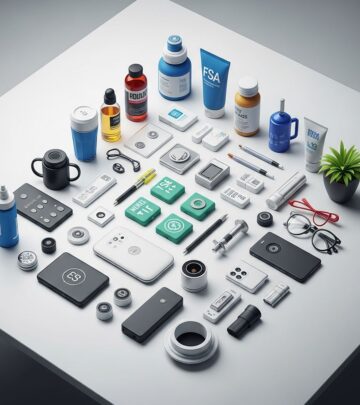
Flexible Spending Accounts (FSAs) and Health Savings Accounts (HSAs) offer a powerful way to pay for medical expenses with pre-tax dollars, effectively making many everyday health items “free” after tax savings. These accounts allow you to set aside money from your paycheck before taxes, which can cover a wide range of qualified medical supplies and services.
In this comprehensive guide, we’ll explore how FSAs work, list dozens of eligible medical supplies across categories, highlight common pitfalls, and share strategies to maximize your benefits before year-end. Whether you have an FSA through your employer or an HSA paired with a high-deductible health plan, understanding eligible items can save you hundreds—or even thousands—on out-of-pocket costs.
What Is Flex Spending, and Why Should You Care?
A Flexible Spending Account (FSA), often called “flex spending,” is an employer-sponsored benefit where you elect to contribute pre-tax dollars—up to $3,200 in 2026 for health FSAs—to cover qualified medical expenses. Unlike HSAs, FSAs typically have a “use it or lose it” rule, meaning unused funds may forfeit at year-end (though some plans offer grace periods or carryover up to $640).
HSAs work similarly but are available with high-deductible health plans, allow rollovers, and can be invested for growth. Both reimburse IRS Section 213(d)-qualified expenses, turning taxed money into savings of 20-40% depending on your tax bracket.
Caring about flex spending means accessing “free” supplies: a $20 first aid kit costs you just $12-16 after taxes. Over a year, this adds up quickly for families or those with chronic needs.
Over-the-Counter Medicines and Remedies
FSAs cover a vast array of over-the-counter (OTC) drugs and remedies—no prescription needed since the CARES Act. Stock up on these essentials:
- Pain relievers like ibuprofen, acetaminophen, and aspirin
- Allergy medicines such as Claritin, Zyrtec, and antihistamines
- Heartburn aids, antacids, digestive enzymes, and anti-diarrheals
- Cold, cough, flu remedies, decongestants, and expectorants
- Menstrual pain relievers, pads, tampons, and menstrual cups
- First aid supplies: bandages, antiseptics, antibiotic ointments
- Bug bite relief, anti-itch creams, and insect repellents (medical use)
- Hand sanitizers, thermometers, wound dressings
- Hot/cold packs, burn care, baby rash ointments
- Other: laxatives, motion sickness meds, sleep aids, wart removal
These items are everyday necessities, yet fully reimbursable. Buy in bulk during open enrollment to cover the year.
Medical Devices & Home Health Supplies
Durable medical equipment and home health devices qualify if used to diagnose, treat, or prevent illness. Key examples include:
- Blood pressure monitors and cuffs
- Glucose meters, test strips, and diabetic supplies
- Orthopedic supports: ankle braces, back supports, compression socks
- Pulse oximeters, nebulizers, TENS units for pain
- CPAP machines, masks, filters for sleep apnea
- Mobility aids: crutches, walkers, wheelchairs
- CPR masks, heating pads, first aid kits
Pro tip: Even basic items like elastic bandages or splints qualify. Check your plan for portability requirements on larger items.
Vision & Eye Care
Eye health expenses are prime FSA targets, covering exams to accessories. Eligible items:
- Prescription eyeglasses, contacts, and sunglasses
- Eye drops, solutions, lens cleaners
- Reading glasses, eyewear repair kits
- Eye exams copays
- Cooling gel masks for migraines, dry eye masks
Replace annually—contacts and solutions add up fast.
Dental & Oral Health
From cleanings to orthodontics, dental is broadly covered. List includes:
- Exams, cleanings, fillings, crowns, root canals
- Orthodontics (braces, Invisalign), wisdom teeth removal
- Dentures, adhesives, fluoride treatments
- Cold sore remedies, dry mouth mints
- Night guards for TMJ/grinding (with provider note)
- Travel dental kits
OTC dental like toothache relievers also qualify.
Women’s Health, Family Planning & Pregnancy
Reproductive health gets strong FSA support. Eligible:
- Prenatal vitamins, pregnancy/ovulation tests
- Breast pumps, lactation supplies
- Birth control, fertility treatments, egg/sperm storage
- Childbirth classes, doula services (LMN often needed)
- Postpartum supports, feminine hygiene
Pregnancy changes everything—plan ahead.
Hearing, Sleep, and Health Devices
Auditory and sleep aids are reimbursable. Examples:
- Hearing aids, batteries, exams
- Ear wax removal kits, irrigation devices
- Sleep aids: nasal strips, CPAP supplies
- Fitness trackers (with LMN for condition)
- Assistive tech: toilet risers, acupressure mats
ENT copays included.
Items That Are Eligible But Typically Require a Prescription or LMN
Letter of Medical Necessity (LMN) from a provider unlocks more. Such as:
- Fitness programs/equipment for specific conditions
- Massage/chiropractic beyond acute care
- Custom orthotics, air purifiers, humidifiers
- Saunas/cold plunges, Botox for migraines/TMJ
Always get documentation.
What’s Usually Not Eligible (Common Pitfalls)
Avoid these to prevent reimbursement denials:
- Cosmetic Botox, makeup, non-medicated skincare
- Household items sans medical purpose: yoga mats, deodorant
- General vitamins, toothbrushes, gym memberships
| Eligible | Not Eligible |
|---|---|
| Medicated acne cream | Regular moisturizer |
| Prescription sunglasses | Fashion glasses |
| TMJ night guard (LMN) | Cosmetic whitening |
How to Use Your Flex Spending Wisely
Submit receipts via app/portal; use debit card where accepted. Shop FSA stores for guaranteed eligibility.
Buying Guide: Make Every Dollar Count
- Inventory needs now
- Buy bulk OTC year-round
- Uniform reimbursement for max flexibility
Year-End & Open-Enrollment Strategy
With use-it-or-lose looming, spend on future needs like glasses. Open enrollment: Elect max, adjust for family changes.
Key Takeaways
- FSAs make medical supplies tax-free
- 70+ categories eligible
- Avoid pitfalls with LMNs
- Plan year-end spending
Frequently Asked Questions (FAQs)
What counts as an FSA-eligible expense?
Qualified medical costs under IRS Section 213(d), including OTC meds, devices, and services.
Do I need a prescription for OTC items?
No, post-CARES Act.
Can I use FSA for family members?
Yes, for dependents.
What if I don’t use all my FSA funds?
Check for carryover/grace period; spend wisely.
Where to shop?
FSA/HSA stores, pharmacies like Walgreens.
References
- 70+ Top FSA Eligible Items — Truemed. 2024. https://www.truemed.com/blog/fsa-eligible-items
- Health Care FSA Eligible Expense List — Cone Health. 2021-01-01. https://www.conehealth.com/app/files/public/8dc261bc-9c2a-4bd2-918d-6c9fab65527c/2021%20Employee%20Benefits/Health%20Care%20FSA%20Eligible%20Expense%20List.pdf
- HSA, HRA, & FSA Eligible Items & Expenses — Cigna Healthcare. 2025. https://www.cigna.com/individuals-families/member-guide/eligible-expenses
Similar Articles








Read full bio of Sneha Tete