Scarcity in Economics: Definition, Types, and Impact
Understanding economic scarcity: How limited resources shape markets and drive competition.
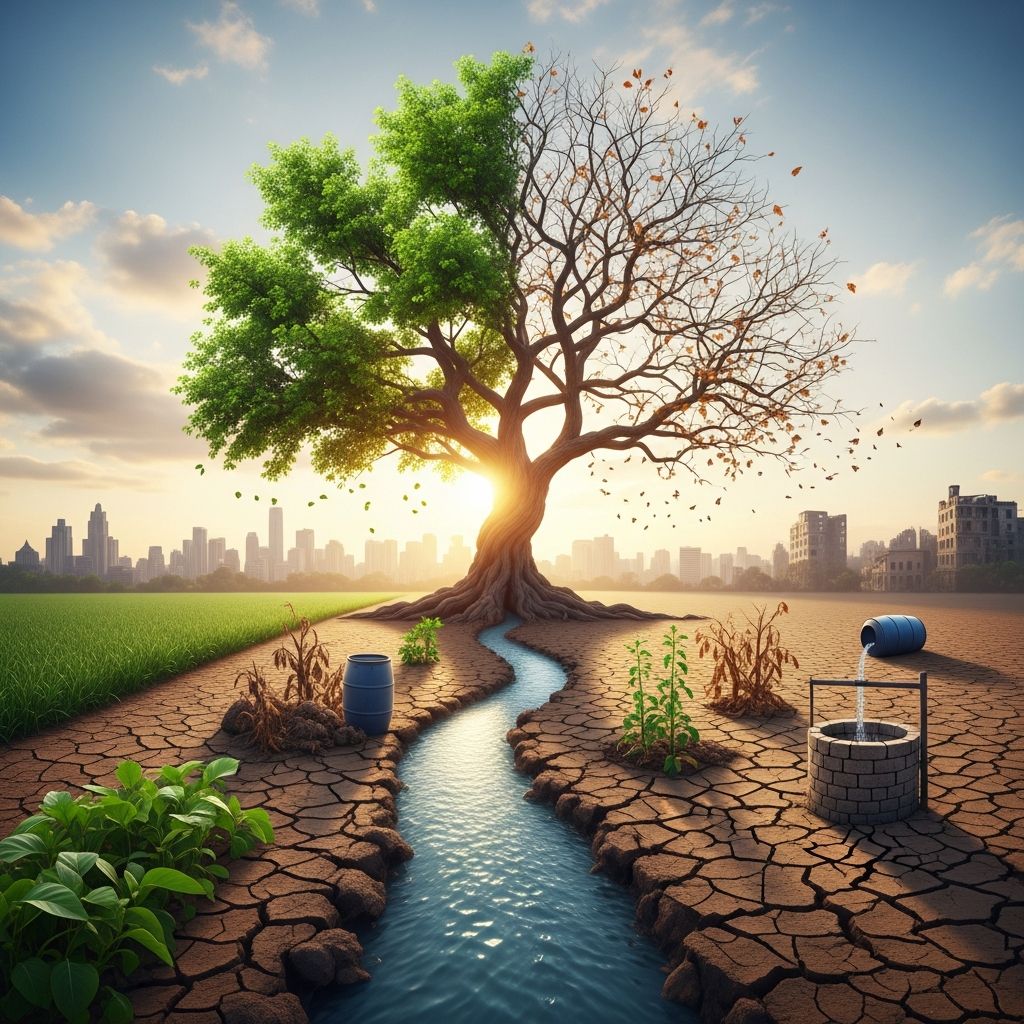
What Is Scarcity?
Scarcity is one of the most fundamental concepts in economics, representing the basic reality that there exists only a finite amount of human and nonhuman resources available to society. While human wants and desires are theoretically unlimited, the resources required to satisfy those wants are restricted. This discrepancy between limited supply and unlimited demand creates the economic problem that every society must solve: how to allocate scarce resources efficiently.
In essence, scarcity refers to the gap between what people want and what is actually available. Whether examining money, time, land, labor, or raw materials, all resources have boundaries. Even resources that appear abundant—such as water or land—are technically scarce because only finite quantities exist. This concept is so central to economic thought that it forms the foundation upon which all economic theory is built.
The Definition of Scarcity in Economic Theory
Renowned British economist Lionel Robbins provided an influential definition that shaped modern economics: “Economics is the science which studies human behavior as a relationship between ends and scarce means which have alternative uses.” This definition highlights that scarcity exists when resources can be used in multiple ways, yet we must choose which end goal to prioritize.
Economic textbooks define scarcity as the condition where the maximum quantity of goods and services that can be produced using available resources falls short of the total quantity demanded at a price of zero. If unlimited quantities of every good could be produced or if all human wants could be fully satisfied, there would be no economic goods—only free goods that require no allocation decisions. However, because this is not the case, economics becomes necessary as a discipline.
The concept of scarcity is essential for a proper definition of economics itself. Without scarcity, there would be no need for economic systems, pricing mechanisms, or allocation strategies. Scarcity is what makes economics relevant and what drives human economic behavior.
Understanding Relative Scarcity
While economists distinguish between absolute scarcity and relative scarcity, it is relative scarcity that truly defines economics. Relative scarcity exists when human requirements and wants are greater than the available quantities of resources that have alternative uses. This means that even though a resource may exist in some quantity, it is still considered scarce because demand exceeds supply.
Economist Paul Samuelson, in his canonical textbook, tied the concept of relative scarcity to economic goods. He observed that the limitation of total resources capable of producing different goods necessitates competition and choices between relatively scarce commodities. Relative scarcity is the starting point for understanding why markets operate as they do and why prices exist.
Three conditions describe the relationship between resources and human needs:
- Relative Scarcity: When human requirements exceed available quantities of resources with alternative uses. This is the typical condition in most real-world economies.
- Relative Sufficiency: When human requirements and available quantities of resources with alternative uses are roughly equal. This equilibrium is temporary and rare.
- Relative Abundance: When available quantities of useful goods exceed human requirements. Even in this state, resources are still finite and thus technically scarce.
Types of Scarcity
Scarcity manifests in different forms, each with distinct causes and implications for economics and society. Understanding these categories helps explain various economic phenomena and market conditions.
Demand-Induced Scarcity
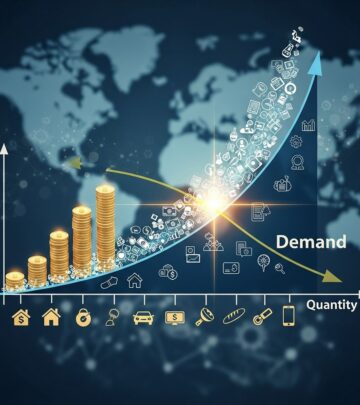
Demand-induced scarcity occurs when the desire for a resource increases while the supply remains constant or grows at a slower rate. This type of scarcity results from changes in consumer preferences, population growth, or increased purchasing power. For example, if a new technology becomes popular, demand for materials used in its production may suddenly spike, creating temporary scarcity until supply can increase to meet demand.
Supply-Induced Scarcity
Supply-induced scarcity happens when the supply of a resource is very low in comparison to demand. This often results from environmental degradation, natural disasters, resource depletion, or production disruptions. Droughts reducing agricultural output, deforestation limiting timber supplies, or mining limitations are all examples of supply-induced scarcity. These situations arise from factors beyond immediate market control and can persist for extended periods.
Structural Scarcity
Structural scarcity occurs when part of a population does not have equal access to resources due to political conflicts, geographical location, or systemic inequality. Even if resources exist in adequate total quantities, certain groups may experience severe scarcity due to barriers to access. Geographic isolation, economic marginalization, or political instability can prevent individuals or communities from accessing available resources, creating artificial scarcity conditions.
Scarcity and Resource Allocation
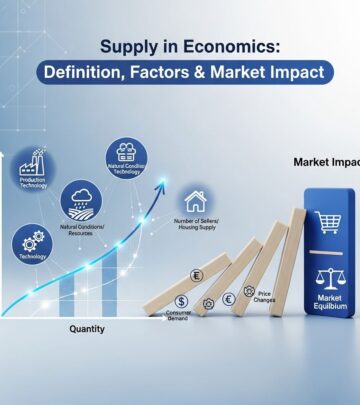
Because scarcity is inevitable, every society must develop mechanisms to allocate limited resources. The price system, or market prices, represents one primary method through which scarce resources are distributed. When a good is scarce relative to demand, its price typically rises, which serves two purposes: it generates revenue for producers and it limits consumption to those willing and able to pay the higher price.
The price mechanism operates as an allocation tool by signaling which resources are most valued and therefore most scarce. Higher prices encourage suppliers to produce more of the scarce good and discourage consumers from consuming it, theoretically moving toward equilibrium. This self-correcting system allows markets to coordinate millions of independent decisions without central planning.
Competition and Scarcity
Scarcity necessarily creates competition. When people strive to meet criteria determining who receives scarce resources, competition emerges based on willingness to pay, effort, merit, or other allocation mechanisms. In market economies, if resources are allocated based on willingness to pay money, individuals will compete to earn income. In other systems using different allocation criteria, competition manifests differently.
Artificial scarcity can be created through monopolistic practices or stockpiling. When a single supplier controls a resource, they may intentionally limit supply to maintain high prices. Similarly, individuals or organizations might stockpile goods either to corner the market or for other strategic reasons. Temporary scarcity can also result from panic buying, where sudden increased demand creates short-term shortages even if long-term supplies are adequate.
Common Examples of Scarce Resources
While many resources experience scarcity, some of the most universally scarce resources include:
- Time: Perhaps the most universally scarce resource, as everyone has exactly 24 hours per day. Time cannot be created, stored, or replaced once spent.
- Money: Individuals and governments operate within budget constraints, making financial resources inherently scarce.
- Land: The total amount of land on Earth is fixed, making it one of the most fundamentally scarce resources.
- Energy: Whether fossil fuels or renewable sources, energy resources are limited and compete with demand.
- Skilled Labor: Certain professions require specialized training, making skilled workers scarce relative to demand.
- Raw Materials: Mining and extraction have physical limits, making many raw materials inherently scarce.
The Trade-Off Between Resources
Scarcity forces trade-offs because resources have alternative uses. A doctor earning an impressive salary might work well over forty hours per week, meaning their abundance of money comes at the cost of scarce time. This illustrates a fundamental principle: every resource devoted to one purpose cannot be used for another. These opportunity costs are central to economic decision-making at individual, organizational, and societal levels.
Understanding these trade-offs is essential for rational economic behavior. Decision-makers must constantly evaluate what they gain by allocating resources one way versus alternative allocations. The production possibilities curve, a tool used in economics, illustrates these trade-offs by showing the maximum quantities of different goods that can be produced given fixed resources.
Scarcity and Economic Systems
Different economic systems address scarcity in distinct ways. Market economies rely primarily on price mechanisms and competition to allocate scarce resources. Planned economies use government direction and central planning. Mixed economies combine market mechanisms with government intervention. Regardless of the system, every economy must address the fundamental problem of scarcity through some allocation mechanism.
The specific choices regarding resource allocation reflect each society’s values and priorities. Some resources may be allocated through markets, others through government programs, and still others through cultural or family systems. How a society chooses to address scarcity reveals much about its economic structure and values.
Why Scarcity Matters
Understanding scarcity is crucial for comprehending how economies function. It explains why prices exist, why competition occurs, why choices must be made, and why resources are allocated through various mechanisms. Scarcity is not merely an abstract economic concept—it directly impacts daily life through prices, availability of goods and services, employment opportunities, and personal decision-making.
Policymakers, business leaders, and individuals who understand scarcity can make more informed decisions about resource allocation. Recognizing that all resources are limited encourages efficiency, sustainability, and strategic planning. It also helps explain global economic inequality and why certain regions or populations may experience greater scarcity than others.
Frequently Asked Questions
Q: What is the difference between scarcity and shortage?
A: Scarcity is a permanent economic condition reflecting the finite nature of resources, while a shortage is a temporary situation where quantity demanded exceeds quantity supplied at the current price. Shortages can be resolved by price increases or increased production.
Q: Can scarcity ever be eliminated?
A: No, scarcity cannot be eliminated because resources are finite while human wants are infinite. Even in wealthy societies with abundant resources, scarcity remains relative. However, technological advancement can reduce scarcity for specific goods.
Q: How does scarcity affect prices?
A: Scarcity directly impacts prices. When a good is scarce relative to demand, prices typically rise. Higher prices discourage consumption, encourage production, and help allocate the limited supply to those most willing to pay.
Q: Is water scarce?
A: Although water covers most of Earth’s surface, fresh water is relatively scarce in many regions. Water is technically scarce everywhere because only finite quantities exist, and it has multiple uses competing for allocation.
Q: Why is scarcity fundamental to economics?
A: Scarcity is fundamental because without it, there would be no economic problem to solve. If all goods were free and unlimited, economics as a discipline would be unnecessary. Scarcity creates the need for choices and allocation mechanisms.
References
- Scarcity — Wikipedia. Accessed 2025-11-29. https://en.wikipedia.org/wiki/Scarcity
- Scarcity — The Decision Lab. Accessed 2025-11-29. https://thedecisionlab.com/reference-guide/anthropology/scarcity
- Economics — Paul Samuelson. McGraw-Hill Education. Canonical textbook on economic theory and scarcity principles.
- An Essay on the Nature and Significance of Economic Science — Lionel Robbins. 1932. Foundation text defining economics through the lens of scarcity and resource allocation.
Similar Articles








Read full bio of Sneha Tete