Scams Targeting Military and Veterans
Discover the most prevalent fraud schemes exploiting service members and veterans, plus proven strategies to safeguard your finances and identity.
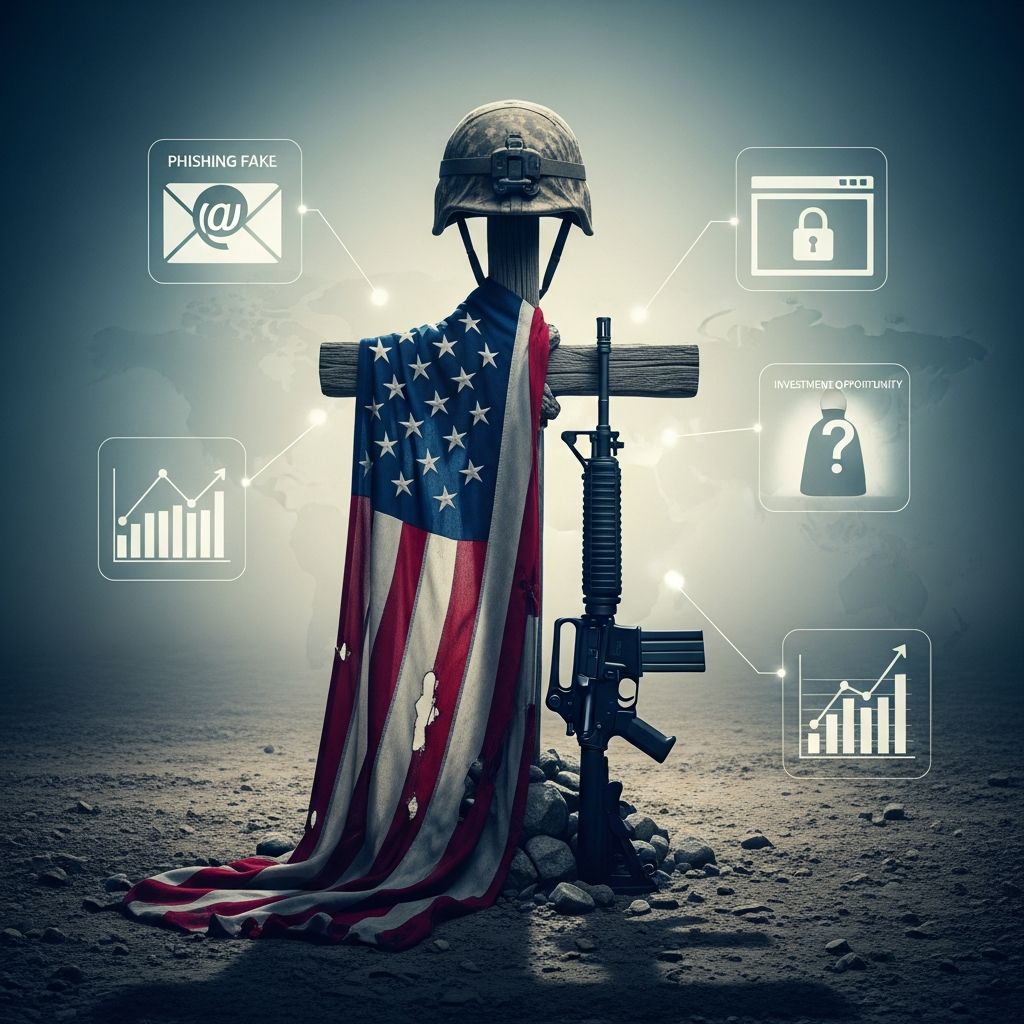
Military service members, veterans, and their families face heightened risks from sophisticated fraudsters who exploit their sense of duty, access to benefits, and trust in authority figures. These scams result in billions in losses annually, with imposter schemes alone accounting for nearly 40% of fraud impacting the military community. Understanding these threats is the first line of defense.
Why Service Members and Veterans Are Prime Targets
Fraudsters view those who have served as lucrative marks due to predictable vulnerabilities. Veterans often receive steady benefit payments, pensions, and discounts that scammers covet. Their strong values of loyalty and patriotism make emotional appeals particularly effective. Active-duty personnel, frequently relocated or deployed, may overlook red flags in urgent communications. Older veterans, managing fixed incomes, become targets for pension poaching and health-related cons.
According to federal data, scams have surged, with phishing and identity theft leading complaints. Younger service members fall for romance traps online, while families encounter fake charity drives around holidays like Veterans Day.
Prevalent Fraud Types Exploiting Military Ties
Scammers deploy a range of tactics tailored to this demographic. Below are the most reported schemes, drawn from official warnings and victim reports.
1. Government Impersonation and Phishing Attacks
Criminals pose as representatives from the Department of Veterans Affairs (VA), IRS, or Social Security Administration. They send emails, texts, or calls demanding personal data like Social Security numbers or bank details under threats of benefit suspension. Emails often come from free domains like Gmail rather than official .gov addresses and contain grammatical errors.
- Common lures: Claims of unclaimed funds, urgent benefit updates, or PACT Act eligibility confirmations.
- Real-world impact: Victims lose access to accounts or suffer identity theft.
2. Romance and Family Emergency Scams
Online platforms see a flood of fake profiles using stolen military photos to build romantic or familial bonds. Scammers create urgency, such as a “deployed soldier” needing funds for leave or a “grandchild” in legal trouble abroad. The U.S. Army Criminal Investigation Division fields hundreds of such complaints monthly.
- Red flags: Requests for wire transfers, gift cards, or cryptocurrency after short relationships.
- Target profile: Widowed or lonely veterans seeking companionship.
3. Fake Benefit and Claims Assistance
Predatory firms charge fees for free VA services like claims processing or record requests. They promise faster approvals or higher disability ratings, violating federal law that prohibits such charges for initial claims. “Secret” government grants or Aid and Attendance benefit scams trick seniors into upfront payments.
- Tactics: Cold calls offering to “unlock” hidden funds.
- Consequence: Drained savings without delivered services.
4. Investment and Pension Exploitation
Fraudsters pitch high-return schemes like Ponzi operations or sham real estate, preying on retirement nest eggs. Pension poaching targets elders with fake sweepstakes, health products, or home repair cons, often leading to equity stripping where scammers refinance properties with hidden fees.
- Examples: Bogus VA loan refinances yielding minimal cash but high costs, as in cases where veterans lost $25,000 for a $5,000 loan.
5. Housing and Employment Rip-Offs
Ads for veteran-discounted rentals demand security deposits upfront, then vanish. Job offers require “training fees” or background check payments. Refinancing scams bait with low rates but switch to predatory terms.
6. Charity and Memorial Frauds
Around patriotic holidays, fake nonprofits solicit donations via door-to-door or social media for “wounded warriors” or memorials. Funds rarely reach intended causes.
Spotting Warning Signs: Red Flags Checklist
Recognition empowers prevention. Watch for these indicators across all scam types:
- Unsolicited contacts promising benefits, jobs, or funds “too good to be true.”
- Pressure for immediate action or payment via untraceable methods (wire, gift cards).
- Requests for sensitive info like SSN, bank details, or military records.
- Emotional manipulation invoking duty, family crises, or patriotism.
- Non-official communication channels or poor spelling/grammar.
| Scam Type | Key Red Flag | Verification Step |
|---|---|---|
| Phishing | .com email demanding data | Contact VA via va.gov |
| Romance | Quick money requests | Reverse image search photos |
| Benefits | Upfront fees promised | Check VA fee rules |
| Investment | Guaranteed high returns | Consult fiduciary advisor |
| Housing | Deposit before viewing | Verify listing officially |
Proven Protection Strategies for You and Your Family
Arm yourself with these actionable steps, recommended by federal agencies and veteran organizations.
- Verify Independently: Always use official websites or phone numbers from va.gov or ftc.gov to confirm claims. Hang up and call back.
- Secure Personal Data: Never share SSN, bank info, or passwords unsolicited. Use credit freezes via Equifax, Experian, TransUnion.
- Leverage Tech Tools: Enable two-factor authentication, use antivirus software, and consider identity theft protection services monitoring for irregularities.
- Educate Your Circle: Discuss scams in veteran groups, family chats, and communities. Host awareness sessions with VSOs like DAV.
- Financial Habits: Consult accredited advisors for investments. Avoid unsolicited offers; research via BBB or state AG offices.
For families, monitor elders closely and set up joint alerts on accounts. Transitioning service members should attend fraud prevention workshops offered by base financial counselors.
How Communities and Organizations Can Step Up
Collective action amplifies protection. Veteran service organizations (VSOs), MSOs, and federal partners like the VA provide toolkits covering imposter scams, healthcare fraud, housing, PACT Act claims, employment, education, and more.
- Volunteering: Offer financial literacy classes at VFW halls or online.
- Advocacy: Push for stronger fraud protections and awareness campaigns.
- Mentorship: Guide new veterans through civilian pitfalls like predatory lending.
Businesses can train staff to spot scams and display prevention placemats from CFPB.
Reporting Fraud: Take Down Scammers
Swift reporting disrupts networks and aids recovery. Act immediately:
- Federal Trade Commission (FTC): Report at ReportFraud.ftc.gov.
- VA Office of Inspector General: Hotline 1-800-488-8244 or va.gov/oig.
- Internet Crime Complaint Center (IC3): ic3.gov for cyber scams.
- Local Law Enforcement or APS: For elder exploitation.
- Consumer Financial Protection Bureau (CFPB): consumerfinance.gov/complaint.
Preserve evidence: Screenshots, emails, call logs. Even if no loss occurred, reports build patterns for prosecution.
Frequently Asked Questions (FAQs)
What should I do if I suspect a scam?
Do not engage further. Verify via official channels, secure accounts, and report to FTC and VA immediately.
Are VA benefits ever disbursed via gift cards?
No. Legitimate payments use direct deposit or checks; demands for gift cards signal fraud.
How do I get free military records?
Request via archives.gov/veterans or VA at no cost; anyone charging is scamming.
Can romance scammers access my benefits?
Yes, if they obtain login credentials. Never share VA.gov access.
What’s the best way to donate to veteran causes?
Use verified charities via guidestar.org or charitynavigator.org; avoid cash or wire transfers.
Final Thoughts on Building Resilience
By staying informed, verifying sources, and fostering open dialogues, military heroes and their loved ones can thwart fraudsters. Resources abound from trusted partners—use them to protect hard-earned security. Vigilance honors service.
References
- VA Fraud Prevention Kit — VSAFE.gov (VA Partnership). 2024. https://vsafe.gov/va-toolkit/va-fraud-prevention-kit/
- Helping to Prevent Scams Targeted at Veterans — Consumer Financial Protection Bureau (CFPB). 2023-10-24. https://www.consumerfinance.gov/about-us/blog/helping-prevent-scams-targeted-veterans/
- Identifying Scams – Veteran and Military Scammer List — Disabled American Veterans (DAV). 2024. https://www.dav.org/get-help-now/veteran-topics-resources/identifying-scams/
- The 7 Latest Scams Targeting Veterans & U.S. Military — Aura (citing U.S. Army CID). 2024. https://www.aura.com/learn/veteran-scams
- 5 Ways Scammers Exploit Veterans and How We Can Stop Them — Champions First (citing VA OIG). 2023. https://championsfirst.org/how-to-stop-veterans-scams/
Similar Articles








Read full bio of Sneha Tete