Scam Calls: Spot, Stop, and Protect Yourself
Discover proven strategies to identify fraudulent phone calls, block persistent scammers, and safeguard your personal information from rising phone fraud threats.

Phone scams have surged in recent years, with fraudsters using advanced tactics to impersonate trusted entities and extract money or data from unsuspecting individuals. These calls often exploit urgency, fear, or curiosity to manipulate victims. This guide provides actionable strategies to recognize, deflect, and neutralize such threats while incorporating tools and reporting methods to strengthen your defenses.
Understanding the Surge in Phone Fraud
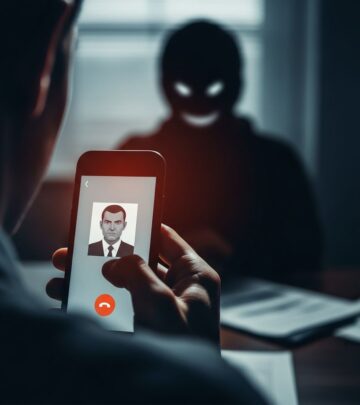
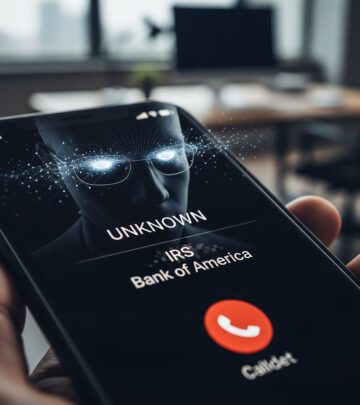
Scammers leverage voice technology and caller ID spoofing to make illegitimate calls appear local or official. Common schemes include fake IRS demands, tech support alerts, or prize notifications requiring immediate action. Awareness of these patterns is the first line of defense, as early detection prevents engagement.
Statistics from regulatory bodies highlight the scale: millions of complaints annually underscore the need for vigilance. Fraudsters target all demographics but particularly prey on seniors and those less familiar with digital verification methods.
Key Indicators of a Scam Call
Spotting fraud early relies on observing telltale signs during the conversation or beforehand. Here’s what to watch for:
- Unexpected contact: Legitimate organizations rarely cold-call for sensitive details without prior written notice.
- High-pressure tactics: Demands for instant payments via gift cards, wire transfers, or cryptocurrency signal deceit.
- Spoofed numbers: Caller ID may display familiar local or company numbers, but this is easily faked.
- Requests for verification: Questions like ‘Can you hear me?’ aim to capture affirmative responses for later misuse.
- Unusual payment methods: Insistence on untraceable options like prepaid cards or apps outside standard banking.
These markers appear consistently across scam variants, enabling quick assessment.
Immediate Actions When a Scam Call Comes In
Your response in the first seconds determines the outcome. Follow this protocol rigorously:
- Do not answer unknowns: Let unidentified numbers go to voicemail to avoid confirming an active line.
- Hang up promptly: If suspicious, end the call without explanation; engagement validates your number for more spam.
- Avoid ‘yes’ responses: Scammers record simple affirmations to authorize fraudulent charges.
- Never disclose info: Refrain from sharing account numbers, SSNs, or passwords, regardless of claimed authority.
- Verify independently: Call back using official numbers from websites or statements, not provided digits.
These steps minimize risk without requiring confrontation.
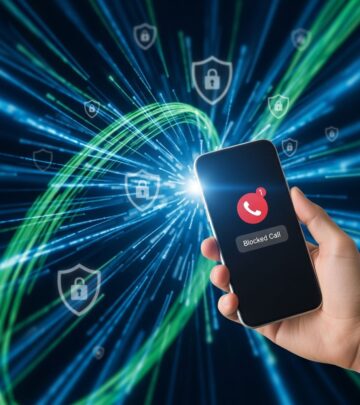
Leveraging Technology to Block Unwanted Calls
Modern tools empower users to filter calls proactively. Options vary by device and carrier:
| Tool Type | Description | Pros | Cons |
|---|---|---|---|
| Carrier Services | Built-in filters like Verizon Call Filter or automatic spam alerts. | Seamless integration, free basic versions. | Limited customization without upgrades. |
| Mobile Apps | Third-party apps using crowdsourced data to flag scams. | Advanced blocking, reporting features. | May require subscription for full access. |
| Devices for Landlines | Hardware boxes that intercept and block based on lists. | Effective for non-VoIP lines, customizable whitelists. | One-time cost, manual updates needed. |
| Phone Settings | Features like iPhone’s Silence Unknown Callers. | No extra apps, sends unknowns to VM. | Potential to miss legitimate new contacts. |
Select based on your setup; combining methods yields best results. Apps often route blocked calls to voicemail or silence them entirely.
Proactive Prevention Strategies
Beyond reaction, build barriers:
- Register on Do Not Call lists: Reduces legitimate telemarketing, though scammers ignore it.
- Secure voicemail: Set strong passwords to prevent spoofed access.
- Educate contacts: Share tips with family, especially vulnerable groups like elders.
- Monitor accounts: Regularly check financial statements for unauthorized activity.
- Use cybersecurity suites: Comprehensive software often includes call protection.
Consistency in these habits significantly lowers exposure.
Reporting Scams: Your Role in the Fight
Documentation aids enforcement. Report every incident:
- Federal Trade Commission (FTC): Use ReportFraud.ftc.gov for detailed submissions, including if losses occurred.
- FCC: File complaints at fcc.gov/complaints for robocall tracking.
- State Attorneys General: Local offices pursue regional fraud.
- Carrier and App Feedback: Notify providers to refine block lists.
Collect caller ID, time, and script details for effective reports. Collective action disrupts operations.
Common Scam Types and Tailored Defenses
Diversify your knowledge:
- Government Impersonation: IRS or police never demand instant payment; verify via official sites.
- Tech Support Fraud: Microsoft et al. don’t unsolicited call; scan independently.
- Grandparent Scams: Urgency about jailed relatives; contact family directly.
- Lottery Wins: Prizes require no upfront fees; real ones notify formally.
Tailor responses: for threats, disengage; for offers, delete.
Recovering from a Scam Call Incident
If victimized:
- Contact institutions: Alert banks to freeze accounts and dispute charges.
- Place fraud alerts: Free credit freezes via Equifax, Experian, TransUnion.
- Change credentials: Update all potentially compromised passwords.
- Seek support: Local consumer protection agencies offer guidance.
- Document everything: Aid potential law enforcement involvement.
Swift action limits damage; most institutions provide reimbursement for verified fraud.
FAQs: Quick Answers to Common Concerns
Can scammers hack my phone by calling?
No, answering alone doesn’t enable hacking, but avoid pressing buttons or downloading suggested files.
Should I call back spoofed numbers?
Never; use independent verification channels only.
Are free blocking apps effective?
Many are, leveraging shared databases; check reviews and FTC endorsements.
What if the call is from a known company ID?
Spoofing is common; hang up and callback officially.
How do I protect elderly relatives?
Install apps, teach verification, and monitor their lines.
Building Long-Term Resilience Against Phone Scams
Sustained protection involves mindset shifts: skepticism toward unsolicited urgency, routine tech updates, and community awareness. By integrating blocking tools, reporting habits, and family education, individuals contribute to broader scam reduction. Stay informed via official channels as tactics evolve.
(Word count: 1678)
References
- How to Block Unwanted Calls — Federal Trade Commission. 2023-10-01. https://consumer.ftc.gov/articles/how-block-unwanted-calls
- Scam Calls & How to Stop Them — Malwarebytes. 2024-05-15. https://www.malwarebytes.com/scam-call
- How to Block Spam Calls & Robocalls — Verizon. 2025-01-20. http://www.verizon.com/about/account-security/robocalls
- How to Avoid Phone Scams to Protect Personal Information — National Insurance Crime Bureau. 2024-08-10. https://www.nicb.org/news/blog/how-avoid-phone-scams-protect-personal-information
- The Art of Handling Scam Calls: A Real-World Survival Guide — eMazzanti Technologies. 2024-03-05. https://www.emazzanti.net/art-of-handling-scam-calls-survival-guide/
Similar Articles








Read full bio of Sneha Tete