Savings Rate Divergence: Why Banks Cut While Others Boost
Navigate the complex landscape of falling and rising savings rates in 2026

The Current State of Savings Account Rates
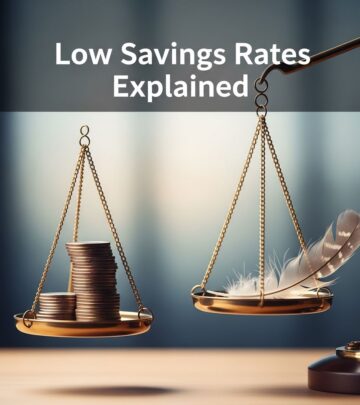
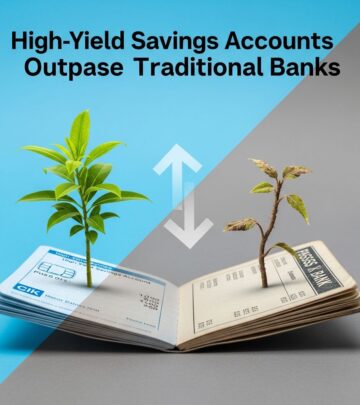
The savings account landscape in March 2026 presents a paradoxical situation for depositors. While the majority of financial institutions have reduced their annual percentage yield (APY) offerings, a select group of banks continues to provide competitive rates that substantially exceed the national average. The national average savings rate currently stands at approximately 0.60% APY, yet the most competitive institutions are offering rates reaching up to 5.00% APY. This significant disparity underscores the importance of conducting thorough research before selecting a savings institution.
Understanding the Rate-Cutting Trend
The widespread reduction in savings account rates follows the Federal Reserve’s interest rate decisions made at the conclusion of 2025. The federal funds rate currently remains positioned between 3.50% and 3.75% following three rate cuts implemented during that period. This adjustment in monetary policy has created an environment where many banks have felt compelled to lower the rates they offer depositors, as their cost of borrowing has decreased and the spread between their lending rates and deposit rates becomes less favorable.
Banks typically adjust their deposit rates in response to changes in the federal funds rate because the rate determines the cost at which banks can borrow from one another and influences the yields they can generate from their lending activities. When the Fed reduces rates, banks face narrower profit margins on their core lending operations, prompting them to reduce what they pay depositors to maintain profitability.
The Contrarian Strategy of Select Institutions
Despite the downward pressure on rates across the industry, certain banks have taken a contrarian approach by maintaining or even raising their savings account rates. These institutions recognize that in a competitive marketplace, attracting and retaining deposits requires offering compelling returns to customers. By maintaining attractive rates, these banks differentiate themselves from competitors and position themselves to capture market share during periods when consumers are actively evaluating their options.
The strategy of maintaining higher rates serves multiple purposes for these forward-thinking institutions. First, it allows them to build deposit bases that provide funding for their lending operations. Second, it demonstrates a commitment to customer value that can build brand loyalty and positive reputation. Third, in anticipation of potential rate increases in the future, establishing strong deposit relationships now can provide stability when funding needs become more critical.
Top-Performing Savings Rate Options
For depositors seeking the best available returns on their savings, several institutions continue to offer rates that represent exceptional value when compared to traditional banking alternatives. Current market leaders include:
- Axos Bank — Offering 4.21% APY, representing approximately seven times the national average
- CIT Bank — Providing 4.10% APY with a minimum balance requirement of just $100
- Bask Bank — Presenting rates up to 4.00% APY for new customers with promotional incentives
- Openbank — Delivering 4.09% APY with a $500 minimum deposit
- SoFi Bank — Offering up to 4.00% APY with various promotional boosts and features
Many of these institutions distinguish themselves not only through competitive rates but also through customer-friendly policies, including the absence of monthly maintenance fees and low or no minimum balance requirements to earn the stated APY.
Promotional Incentives and Rate Boosters
Beyond base interest rates, numerous banks have introduced promotional structures that effectively increase returns for qualifying customers. These programs often include:
- Temporary rate boosts ranging from 0.25% to 0.70% APY for customers who meet specific criteria
- Sign-up bonuses ranging from $300 or more for new account holders
- Performance-based enhancements where customers earning qualifying direct deposits receive additional rate improvements
- Tiered rate structures where larger account balances earn incrementally higher APY percentages
These promotional structures represent strategic efforts by banks to attract new customers while rewarding existing depositors who meet engagement requirements. Consumers should carefully review the terms and conditions of these offers, as they often have expiration dates and specific qualification criteria that must be maintained throughout the promotional period.
Why the Disconnect Between Industry Trends and Select Bank Strategies
The divergence between banks cutting rates and select institutions maintaining competitive yields reflects fundamental differences in business strategy and market positioning. Large, traditional banks with extensive branch networks and established customer bases may feel less pressure to maintain aggressive rates, as their customer retention is often driven by convenience and relationships rather than yield optimization. Conversely, online-focused and smaller regional banks compete primarily on the basis of rates and fees, necessitating that they maintain competitive offerings to attract deposits in a digital marketplace.
Additionally, banks with different funding sources and business models face varying pressures. Institutions that rely more heavily on deposits for funding have greater incentive to maintain competitive rates, while those with access to capital markets or other funding sources may have more flexibility to reduce deposit rates without jeopardizing their funding strategies.
The Impact of Federal Policy on Future Rate Direction
The trajectory of future savings account rates remains closely tied to the Federal Reserve’s monetary policy decisions. The likelihood of additional rate cuts or increases will significantly influence whether the current environment of rate reductions continues or stabilizes. Economic data regarding inflation, employment, and economic growth will drive these decisions.
Market observers note that the decreased federal funds rate implemented at the end of 2025 is likely to lead to lower APYs on savings accounts going forward. However, the pace of additional reductions will depend on economic conditions and the Fed’s assessment of inflationary pressures and labor market strength.
Strategic Considerations for Depositors
In the current environment, depositors have several strategic decisions to consider. First, the significant gap between the national average and competitive rates warrants making a deliberate choice about where to place savings. Even modest differences in rates can generate substantial additional earnings over time through the power of compound interest.
Second, depositors should evaluate the stability and credibility of institutions offering attractive rates. All banks mentioned should verify their membership in the FDIC (Federal Deposit Insurance Corporation), which provides protection up to $250,000 per account per institution. This insurance protection ensures that even if a bank fails, deposits are protected up to the applicable limits.
Third, consumers should assess whether promotional rate boosts and bonuses align with their financial situation and whether they can meet the qualification criteria to receive advertised rates. Reading the detailed terms and conditions of rate offers prevents disappointment when expected rates fail to materialize due to unmet requirements.
Comparing Savings Vehicles in the Current Environment
To contextualize current savings account rates, consider how they compare to alternative investments:
| Savings Vehicle | Current Rate Range | Risk Level | Liquidity |
|---|---|---|---|
| Traditional Savings Account | 0.01% – 0.50% APY | Very Low | Immediate |
| High-Yield Savings Account | 3.85% – 5.00% APY | Very Low | Immediate |
| Money Market Account | 2.50% – 4.50% APY | Very Low | Immediate |
| Certificate of Deposit (12-month) | 4.00% – 4.75% APY | Very Low | Restricted |
Frequently Asked Questions About Current Rate Trends
Why are banks cutting rates now?
Banks reduce savings rates in response to the Federal Reserve’s rate cuts, which lower their cost of funding and reduce the spreads they earn on lending operations. When funding becomes cheaper, they have less incentive to pay high rates on deposits.
Are rates going to fall further?
Predictions suggest that additional rate reductions are likely given the current monetary policy environment and the Fed’s prior rate cuts. However, actual future rates depend on economic conditions and Federal Reserve decisions that cannot be predicted with certainty.
Which bank should I choose for the best savings rate?
The best choice depends on your specific circumstances, including your deposit amount, willingness to meet promotional requirements, and preferences regarding online versus brick-and-mortar banking. Compare the highest published rates from FDIC-insured institutions and verify all qualification criteria.
How much additional earnings would I get with a higher rate?
The difference is substantial. A $50,000 deposit earning 4.00% APY generates $2,000 in annual interest, compared to just $300 annually at the 0.60% national average—a difference of $1,700 per year.
Should I lock in current rates with a CD?
If you anticipate rates falling further, locking in current rates through a Certificate of Deposit may provide certainty and protection against future rate decreases. However, this strategy sacrifices liquidity, as early withdrawal typically incurs penalties.
The Importance of Rate Comparison
The existence of such substantial rate differences across the banking industry demonstrates the critical importance of comparative shopping. Many depositors remain at traditional banks offering minimal rates simply due to habit or convenience, leaving significant earnings on the table. Modern banking technology makes it easier than ever to open accounts at online institutions offering superior rates without sacrificing safety through FDIC insurance.
Taking time to research current rates and evaluate available options can result in hundreds or thousands of dollars of additional annual earnings—a meaningful return for the minimal effort required to complete the evaluation and account opening process.
Looking Ahead
The banking environment continues to evolve in response to Federal Reserve policy and competitive dynamics. Depositors who stay informed about current rate offerings and understand the factors driving rate changes position themselves to make optimal decisions about their savings and maintain their purchasing power against inflation. As the current year progresses, continued monitoring of rate trends will help individuals capitalize on opportunities presented by select institutions that continue prioritizing competitive returns.
References
- Fortune — Best Savings Account Rates — Fortune Magazine. March 25, 2026. https://fortune.com/article/best-savings-account-rates-3-25-2026/
- Bankrate — Best High-Yield Savings Accounts — Bankrate, Inc. March 2026. https://www.bankrate.com/banking/savings/best-high-yield-interests-savings-accounts/
- NerdWallet — Best High-Yield Online Savings Accounts — NerdWallet, Inc. March 2026. https://www.nerdwallet.com/banking/best/high-yield-online-savings-accounts
- Federal Deposit Insurance Corporation (FDIC) — FDIC Official Website. https://www.fdic.gov/
Similar Articles








Read full bio of Sneha Tete