Saving Money In A Jar: Simple Strategies That Work
Discover practical, creative, and fun money jar ideas to build your savings, stay motivated, and hit your financial goals faster.

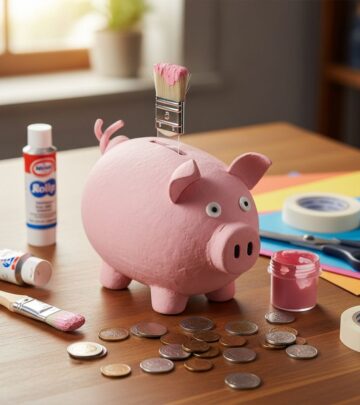
Using a simple money jar can be a surprisingly powerful way to build better saving habits, stay motivated, and make your financial goals feel more real. By turning saving into something you can see, touch, and track every day, you create constant reminders that help you stick with your plan over time.
Physical tools like jars and envelopes can support behavior change because they make money more tangible and visible, which helps people control spending and stay on track with budgets and goals. This article walks you through how to use money jars effectively and shares several creative ideas to save more.
Why Saving Money In A Jar Works
Saving money in a jar is simple, visual, and flexible. It works especially well if you tend to spend more when you only use cards or digital payments, because a jar forces you to see your cash and think before you spend it.
Research shows that people often spend more with cards than with cash, partly because cash payments feel more “painful” and noticeable. A money jar leverages that same principle in reverse: instead of feeling pain when you spend, you feel satisfaction when you add cash to your jar.
Key benefits of a money saving jar
- Visual progress: Watching your jar fill up gives you instant feedback and motivation.
- Simple system: No complicated apps or spreadsheets are required.
- Flexible goals: You can use jar saving for short-term treats or long-term priorities.
- Daily reminder: Seeing your jar at home keeps your goals in front of you.
- Good for beginners: It is an easy first step into budgeting and saving.
1. Start With A Clear Jar Saving Goal
Before you drop a single coin or bill into your jar, decide exactly what you are saving for and how much you need. Having a clear goal makes it easier to stay committed and to measure your progress.
Examples of jar saving goals
- An emergency cushion, such as a mini emergency fund for unexpected bills.
- A specific purchase like new furniture, a small trip, or a gadget.
- Extra debt payments to speed up your payoff plan.
- Seasonal expenses such as holiday gifts, back-to-school costs, or travel.
Financial experts generally recommend building an emergency fund as an early goal, often starting with one month of expenses and building toward 3–6 months over time. A money jar can be a good way to kick-start that first layer of savings.
How to set your jar goal
- Choose one purpose: Name your jar (e.g., “Weekend Getaway” or “Starter Emergency Fund”).
- Pick a target amount: For example, $300 for holiday gifts or $1,000 for emergencies.
- Set a deadline: Decide when you want to fill the jar (e.g., six months from now).
- Break it down: Determine how much you need to save weekly or monthly to hit your target.
| Goal Type | Example Target | Time Frame | Weekly Jar Amount |
|---|---|---|---|
| Mini Emergency Fund | $500 | 5 months | $25 |
| Holiday Gifts | $400 | 4 months | $25 |
| Weekend Trip | $300 | 3 months | $25 |
| Course or Training | $600 | 6 months | $25 |
2. Decide What Money Goes Into Your Jar
Once you know your goal, decide how you will consistently feed your jar. The more specific you are, the easier it is to follow through.
Common ways to fund your money jar
- Spare change: Drop in coins and small bills at the end of each day.
- Round-up amounts: Every time you spend, round up to the next whole number and put the difference in your jar (for cash purchases).
- Weekly cash deposit: Withdraw a set amount from your checking account weekly and add it to the jar.
- Side hustle money: Put a percentage of extra income, such as tips or freelance earnings, into the jar.
- Found money: Add unexpected funds like cash gifts or rebates.
A written plan for how much you will contribute and when—weekly or monthly—helps you treat jar saving like a real commitment rather than a random habit.
3. Place Your Jar Strategically
Where you place your jar matters. You want it to be visible enough to remind you to save, but not so accessible that you are tempted to pull money out for impulse spending.
Good locations for your money jar
- Near your front door: To drop in change when you come home.
- By your coffee maker: To use it with a coffee savings challenge instead of buying takeout coffee.
- On a bedroom shelf: Visible but away from everyday handling.
- In a closet or cabinet: If you tend to dip into savings, keep it slightly out of sight.
Try to balance visibility with security. You want a daily reminder, but your system should make it harder to take money out than to put money in.
4. Try Creative Money Jar Challenges
Money-saving challenges can make jar saving more fun and help you build momentum. Turning saving into a game can improve motivation and consistency.
Popular jar-based money challenges
- Spare Change Challenge: All coins and $1 bills automatically go into your jar.
- “No-Spend Day” Challenge: Every day you spend nothing on non-essentials, add a fixed amount (e.g., $5) to your jar.
- Weekly Increase Challenge: Save $1 in week one, $2 in week two, and so on, increasing by $1 each week.
- Weather Wednesday Challenge: Check the temperature once a week and save that amount in your jar or into a linked savings account.
- Spare $5 Challenge: Every time you have a spare $5 bill, add it to the jar instead of spending it.
These challenges can be adapted to your income level and schedule. The key is consistency—small, regular amounts add up quickly over time.
5. Combine Your Jar With Digital Savings
Although a physical jar is a great starter tool, you do not have to stop there. As your jar fills up, you can transfer the money into a high-yield savings account to protect it and help it grow faster through interest.
Many financial institutions offer savings accounts specifically designed for goals, sometimes called “sinking funds,” which let you separate money for different purposes while keeping it safe and earning interest.
How to transition jar savings into your bank
- Pick a transfer threshold (e.g., every time the jar reaches $100).
- Deposit the cash into a designated savings account.
- Update a simple tracking sheet showing how much has moved from jar to bank.
- Keep adding new cash to the jar while your bank balance grows quietly in the background.
6. Use Multiple Jars For Different Goals
If you have more than one priority, you can use multiple jars to organize your saving. This works similarly to the cash envelope method, which uses separate envelopes for spending categories.
Examples of multiple jar categories
- Emergency Jar: For unexpected expenses.
- Fun Jar: For guilt-free spending on treats and experiences.
- Gift Jar: For birthdays, holidays, and special occasions.
- Learning Jar: For courses, books, or skills you want to invest in.
A multi-jar approach helps you see how you are balancing short-term fun with long-term security, similar to how envelope systems help people visually manage their budget.
7. Stay Motivated And Avoid Common Pitfalls
Like any savings strategy, jar saving comes with potential challenges. The key is to anticipate them and put simple rules in place.
Common jar saving mistakes
- Dipping into the jar: Treat the jar like a mini bank account and withdraw for non-essentials.
- Not having a clear goal: Saving “just because” often leads to losing focus.
- Inconsistent deposits: Only adding money when “extra” appears, rather than on a schedule.
- No tracking: Never counting or recording progress, so it is hard to see how far you have come.
Simple ways to stay on track
- Write your goal and deadline on a label attached to the jar.
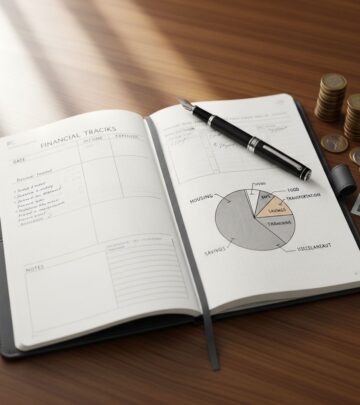
- Use a progress tracker (a small chart or checklist) and color in each milestone.
- Schedule a weekly “money check-in” to add cash and count your total.
- Celebrate small wins when you hit interim targets (e.g., every $100 saved).
8. What To Do Once Your Jar Is Full
When your jar reaches your target amount—or is physically full—it is time to put that money to work.
Smart uses for your jar savings
- Start or grow an emergency fund: Move the cash into a savings account reserved for emergencies only.
- Pay down high-interest debt: Extra payments on credit cards or loans can reduce your total interest cost over time.
- Fund a specific goal: Use the money exactly as planned, such as paying for travel or a course.
- Reinvest into new goals: Once one jar goal is complete, set your next target and restart the process.
Following through by using the money for its original purpose builds trust with yourself and reinforces your savings habit, making it more likely you will keep going.
Frequently Asked Questions (FAQs)
Q: How much should I aim to save in my money jar?
A: There is no fixed amount—the right target depends on your income, budget, and goal. Many people start with a few hundred dollars for a small goal or mini emergency fund, then gradually work toward larger targets like several months of living expenses.
Q: Is saving money in a jar better than using a bank account?
A: A jar is great for motivation and habit-building, but it does not earn interest and can be lost or stolen. For long-term goals and emergency funds, experts recommend keeping most of your savings in a secure bank account, and using the jar mainly as a visual tool and short-term holding place.
Q: What if I rarely use cash—can I still do a money jar challenge?
A: Yes. You can mirror a jar challenge digitally by moving money from checking to savings whenever you would normally put cash in your jar, and optionally keep a smaller physical jar for motivation. For example, transfer $5 to savings every time you skip a coffee or complete a no-spend day.
Q: How often should I deposit cash from my jar into a savings account?
A: Many people choose a schedule such as monthly or every time the jar reaches a set amount like $100 or $200. Regularly moving cash to the bank keeps it safer and helps you separate “saved” money from everyday spending funds.
Q: Can kids or teens use a money jar system?
A: Absolutely. Money jars are an excellent way to teach children and teens about saving and goal setting. You can help them choose a goal, label the jar, and decide how much of their allowance or earnings will go into it each week, building practical financial skills early in life.
References
- Emergency Funds — Consumer Financial Protection Bureau (CFPB). 2023-03-22. https://www.consumerfinance.gov/consumer-tools/save-and-invest/emergencies/
- 18 Money Saving Challenges To Save More Money! — Clever Girl Finance. 2024-01-05. https://www.clevergirlfinance.com/money-savings-challenge/
- Is A 12-Month Emergency Fund Realistic? + How To Save Yours! — Clever Girl Finance. 2023-08-10. https://www.clevergirlfinance.com/12-month-emergency-fund/
- How To Use The Cash Envelope System To Master Your Budget — Clever Girl Finance. 2023-07-18. https://www.clevergirlfinance.com/how-to-use-the-cash-envelope-system/
- Consumer Payment Choices, 2022 — Federal Reserve Bank of Atlanta. 2023-10-19. https://www.atlantafed.org/banking-and-payments/consumer-payments/survey-of-consumer-payment-choice/2022-survey
Similar Articles








Read full bio of medha deb