Visible Mending: 5 Easy Projects To Save Money
Repair your clothes creatively and save money while embracing sustainable fashion through visible mending techniques.
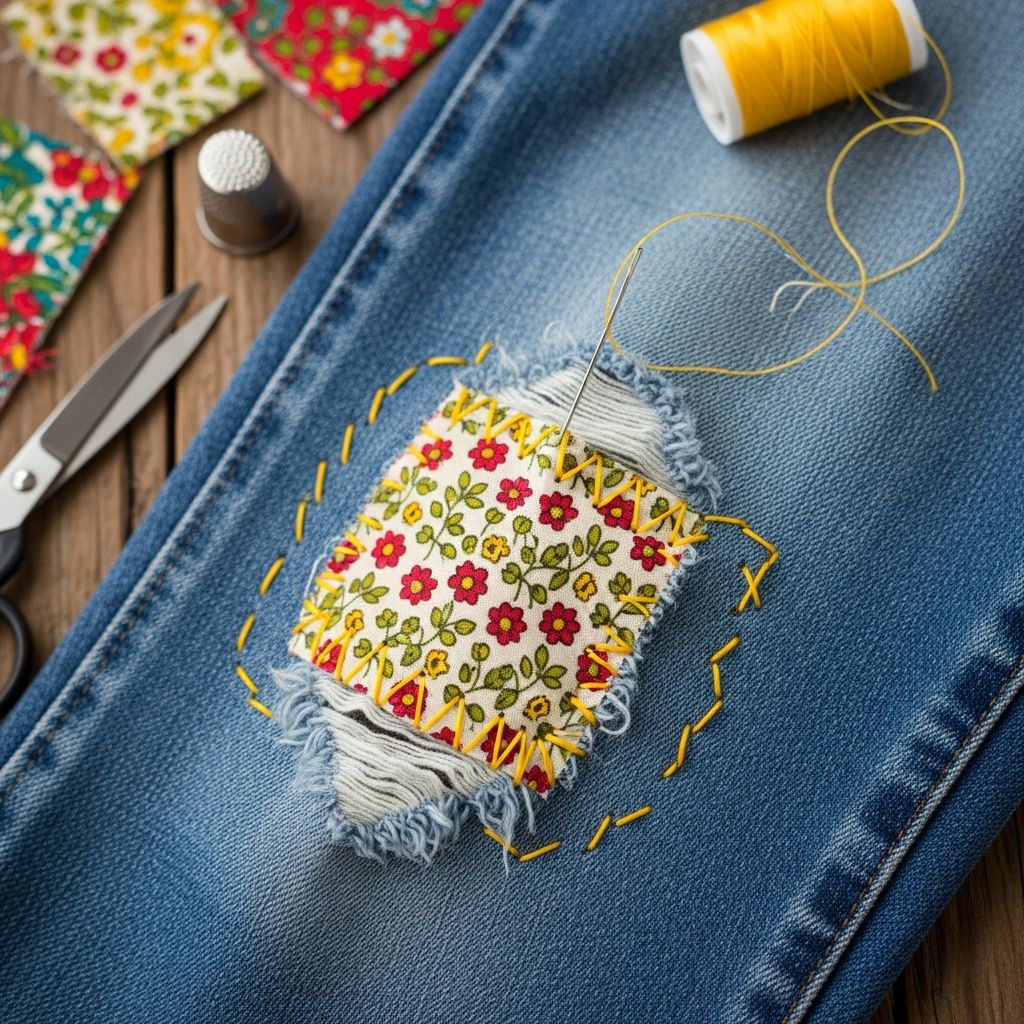
Visible mending is a creative and cost-effective way to repair damaged clothing, turning flaws into features while saving money and promoting sustainability. This practice not only extends the life of your garments but also adds personal style, reducing the need for expensive replacements.
What Is Visible Mending?
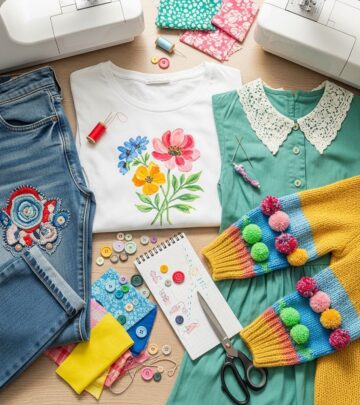
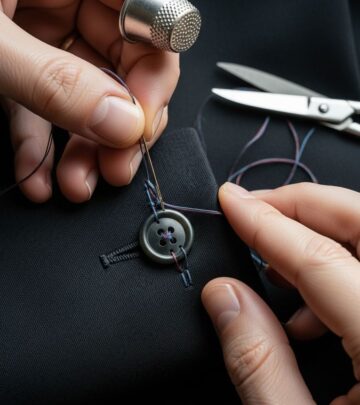
**Visible mending** transforms repairs into decorative elements, celebrating imperfections rather than hiding them. Unlike traditional invisible repairs, it uses colorful threads, patches, embroidery, or stitching techniques like darning to make the mended area stand out as intentional design.
This approach has roots in ancient practices, such as Japanese sashiko, where reinforcing stitches were both functional and artistic. Today, it’s a response to fast fashion’s throwaway culture, encouraging mindful reuse.
By highlighting rips, tears, or holes with bold patches or stitches, visible mending turns worn items into unique pieces. It’s accessible for beginners, starting with simple running stitches and building to intricate designs.
Why Practice Visible Mending?
Visible mending offers multiple benefits, from financial savings to environmental impact and personal well-being. Here’s why it’s worth adopting:
- Cost Savings: Repairing a hole or tear costs pennies in thread and time, versus $20–$50 for new clothes. Extend garment life by years, avoiding frequent purchases.
- Sustainability: Reduces textile waste; the fashion industry discards millions of tons annually. Mending challenges overconsumption and fast fashion pollution.
- Creativity and Style: Customize clothes with patterns, colors, and patches for one-of-a-kind looks that spark conversations.
- Mental Health Boost: Repetitive stitching promotes relaxation, reduces stress, and provides accomplishment. It induces a ‘flow state,’ lowers blood pressure, and aids emotional processing.
- Social Connection: Join mending circles or online communities for shared learning and meaningful talks while crafting.
Historically, mending was essential due to textiles’ high cost. A 2,000-year-old Egyptian tunic exemplifies early visible repairs made proud, not shameful.
The Benefits of Visible Mending for Your Wallet and Wardrobe
Beyond basics, visible mending delivers tangible savings. A single pair of jeans repaired multiple times can last 5+ years, saving hundreds. Patches from old fabrics are free, and thread spools cost under $5.
It combats fast fashion’s disposability: cheap clothes wear out quickly, leading to overbuying. Mending fosters appreciation for items, making you rethink purchases.
| Aspect | Traditional Buying | Visible Mending |
|---|---|---|
| Cost per Repair/Item | $30–$100 new garment | <$2 in materials |
| Environmental Impact | High waste, pollution | Low waste, reuse |
| Durability | Short-term | Extended life |
| Personalization | Generic | Unique designs |
For mental health, the rhythmic needlework calms the mind, combats anxiety, and builds dexterity. Crafting communities provide support, easing social isolation.
How to Get Started with Visible Mending
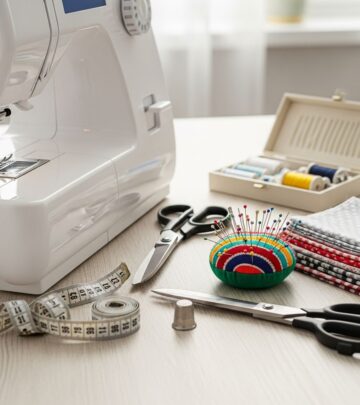
Starting is simple—no fancy tools needed. Gather basics and practice on scrap fabric.
Supplies You’ll Need
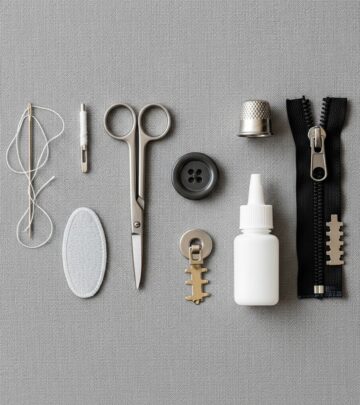
- Needles (assorted sizes for fabric types)
- Threads in various colors (cotton, embroidery floss)
- Patches (from old clothes, denim scraps)
- Scissors, thimble, embroidery hoop
- Optional: Beeswax for thread, seam ripper
Total starter kit: under $20, reusable for years.
Basic Techniques
- Darning: Weave stitches over holes like knitting. Ideal for socks, knits. Use contrasting yarn for visibility.
- Running Stitch: Simplest base—straight in-and-out stitches. Build patterns like sashiko grids.
- Patches: Sew on fabric squares over tears. Embroider edges for flair.
- Embroidery: Satin, chain, or stem stitches to outline or fill areas.
- Sashiko: Japanese running stitch motifs for reinforcement and art.
Steps: Assess damage, choose colors, stabilize fabric (hoop it), stitch slowly, secure ends. Practice builds confidence.
Visible Mending Techniques for Beginners
Master these step-by-step for common issues:
Darning a Sock Hole
- Trim loose threads.
- Place on darning egg/mushroom.
- Run parallel threads across hole.
- Weave perpendicularly, tightening as you go.
- Finish with decorative stitches.
Result: Sturdy, patterned sock.
Patching Jeans Knees
- Cut patch slightly larger than hole.
- Pin inside/out, sew with blanket stitch.
- Add embroidery for pop.
Pro tip: Use pocket scraps for authenticity.
Repairing Sweater Moth Holes
Swiss darning mimics knit stitches over holes using yarn matching the original, then embellish visibly.
Advanced: Combine techniques, like embroidered patches or layered darning for elbows.
Visible Mending Projects to Try
Build skills with these:
- T-Shirt Tears: Appliqué flowers over rips.
- Denim Jacket: Full sashiko coverage.
- Bag Straps: Braided embroidery reinforcement.
- Quilted Scarf: Darn ends into patchwork.
- Group Mend: Host a circle for shared projects.
Instagram menders like Celia Pym inspire with visible stories on garments.
Challenges and Tips for Visible Mending Success
Common hurdles: Uneven stitches, thread breaks. Tips:
- Start small, use hoops for tension.
- Match thread weight to fabric.
- Watch tutorials (search ‘visible mending beginner’).
- Join communities for feedback.
- Embrace ‘wabi-sabi’—imperfect beauty.
For tough fabrics like leather, use heavy needles; delicates need fine thread.
Frequently Asked Questions (FAQs)
Is visible mending hard for beginners?
No, it starts with basic running stitches. Practice on scraps builds skills quickly.
How much money can I save?
Hundreds yearly by repairing vs. replacing 5–10 items.
Does it work on all fabrics?
Yes, adapt techniques: knits for darning, wovens for patches.
Where to learn more?
Local workshops, online groups, books on sashiko.
Is it time-consuming?
Simple repairs take 15–30 minutes; therapeutic time well-spent.
Conclusion: Mend, Save, Sustain
Visible mending empowers you to save money, curate a sustainable wardrobe, and express creativity. Start today—your next repair could be your favorite feature. Share your mends online to inspire others in the movement.
References
- What is Visible Mending? — Craft School OZ. 2023-05-15. https://www.craftschooloz.com/post/what-is-visible-mending
- Sustainable Fashion: The Benefits of Visible Mending — The Autumn Acorn. 2023-08-22. https://www.theautumnacorn.com/post/sustainable-fashion-the-benefits-of-visible-mending
- What is Visible Mending? Sewing Clothes for Sustainable Fashion — ABC7 Chicago. 2023-06-10. https://abc7chicago.com/post/what-is-visible-mending-sewing-clothes-sustainable-fashion-patching/14112707/
- What is Visible Mending and Why Should We Celebrate It? — Lauren Spired. 2022-11-01. https://laurenspired.com/journal/visible-mending
- The Benefits of Visible Mending for Your Mental Health — Collingwood Norris Design. 2024-02-14. https://www.collingwoodnorrisdesign.com/knitwearblog/the-benefits-of-visible-mending-for-your-mental-health
- What Is ‘Visible Mending’ and Why Is It a Sustainable Practice? — Sustainability Directory. 2023-09-05. https://lifestyle.sustainability-directory.com/learn/what-is-visible-mending-and-why-is-it-a-sustainable-practice/
- Stitch It, Don’t Ditch It: Resisting Fast Fashion Through Visible Mending — Reasons to be Cheerful. 2023-04-18. https://reasonstobecheerful.world/clothing-visible-mending/
Similar Articles








Read full bio of Sneha Tete