Save on Special-Occasion Clothing for Kids
Budget-friendly strategies for dressing kids for weddings, concerts, and formal events without breaking the bank.
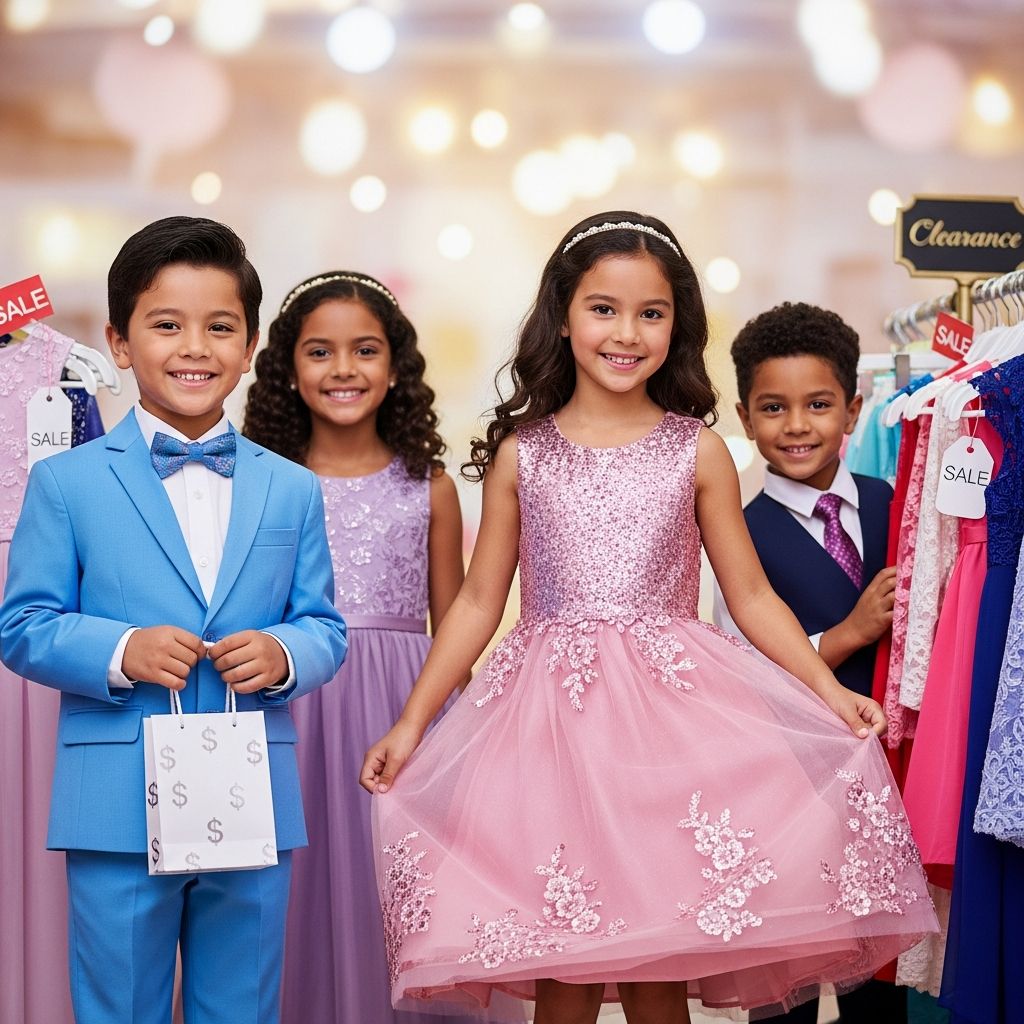
Children grow quickly, and special occasions seem to come around frequently throughout the year. Between school band concerts, awards ceremonies, weddings, and graduation events, parents often find themselves scrambling to find appropriate formal attire for their kids. The challenge becomes even more complex when children rapidly outgrow their clothes, making it difficult to justify spending significant money on special-occasion outfits that may only be worn once or twice before becoming too small.
The good news is that with some strategic planning and smart shopping techniques, you can dress your children appropriately for any formal event without straining your family budget. By combining several money-saving strategies and thinking ahead, you can significantly reduce the amount you spend on special-occasion clothing while still ensuring your kids look their best.
Plan Your Calendar and Maximize Cost Per Wear
One of the most effective ways to reduce spending on special-occasion clothing is to think strategically about your family’s schedule. Review your family’s calendar several months in advance to identify upcoming events that will require formal attire. By mapping out these occasions, you gain several advantages:
- You can identify opportunities to purchase versatile pieces that will work for multiple events
- You’ll have more time to find bargains rather than rushing to make last-minute purchases
- You can spread your budget across several months instead of having sudden large expenses
- You can choose clothing items that will be appropriate for multiple occasions
When you have several formal events within a few months, the cost per wear for each item becomes much more reasonable. Instead of purchasing a dress or suit that might only be worn once, you can select versatile pieces that work for a wedding, a graduation ceremony, and a formal dinner. This approach transforms your perspective on clothing purchases from single-occasion buys to multi-purpose investments.
Shop Consignment Sales and Community Events
Consignment sales, particularly those sponsored by local preschools and community groups, represent treasure troves for parents seeking special-occasion clothing bargains. These events offer significant advantages over traditional retail shopping:
- Prices are typically 50-70% below retail cost
- You’ll find both budget-friendly brands and designer clothing at fraction-of-original prices
- Items are usually gently used or in excellent condition
- Selection includes a wide variety of formal wear options
- You can often preview merchandise before the sale officially begins
When shopping consignment sales, establish a price threshold for your purchases. If you find a quality dress shirt for $5 or less, it’s worth buying even if you don’t have an immediate need, as you can reasonably expect to use it eventually. However, for higher-priced items, be more selective. A $25 pair of pants and jacket might seem like a bargain compared to the $100+ retail price, but pass on it unless you’re certain your child will need it for an upcoming event.
Note that designer and upscale-brand clothing at consignment sales often remains unsold at higher price points because many parents hesitate to invest $30 in a $100 dress if they’re uncertain their daughter will wear it again. This hesitation is understandable but creates opportunities for those willing to take calculated risks on versatile, classic pieces.
Explore Thrift Stores and Vintage Shops
Thrift stores and vintage boutiques offer another avenue for finding special-occasion clothing at exceptional prices. While not every shopping trip yields treasures, patience and persistence can result in remarkable finds. Quality dress pants, blazers, and dress shoes often appear in excellent condition, sometimes better than comparable new items purchased at regular retail prices.
Success at thrift stores requires:
- Regular visits to build familiarity with inventory and pricing patterns
- Willingness to dig through racks and examine items carefully
- Flexibility about brands and styles
- Knowledge of quality indicators like fabric composition and construction
- Openness to alterations if items require minor adjustments
Many parents develop preferred thrift store locations where they know staff members and understand the typical inventory. Building these relationships and visiting regularly increases the likelihood of finding appropriate formal wear for your children.
Take Advantage of Seasonal Sales and Closeouts
Large retailers and warehouse clubs often offer special-occasion clothing at clearance prices during specific seasons. For example, Costco and similar retailers typically sell school uniforms at closeout prices in the fall, after the school year has begun. These white dress shirts and black or khaki slacks are incredibly versatile pieces that work well for numerous formal occasions beyond school wear.
Other seasonal shopping opportunities include:
- Post-holiday sales on formal wear (January clearances on winter formal clothing)
- End-of-season sales at major department stores
- Online retailers offering off-season inventory at reduced prices
- Flash sales and promotional events at children’s clothing retailers
Shopping these sales requires planning, but the savings justify the effort. By purchasing items during these promotional periods, you can build a foundation of versatile formal wear pieces at a fraction of regular prices.
Build a Foundation with Versatile Basics
Rather than purchasing complete outfits for each occasion, invest in versatile basics that can be mixed and matched for different events. Essential pieces include:
- Dark-colored dress slacks in neutral shades
- White and light-colored dress shirts
- Dark-colored dress shoes that can double as semi-formal wear
- Vests in neutral colors
- Dark-colored blazers or sport coats
- Simple dresses in classic colors
A vest deserves special mention as an underrated money-saving tool. Adding a vest to a basic dress-shirt-and-slacks combination creates a polished look appropriate for weddings and formal services without the expense of a complete suit jacket. Vests typically cost a fraction of jacket prices and offer significant visual impact, particularly on younger children.
Consider Practical Footwear Solutions
Shoes represent a significant portion of formal wear budgets, but creative solutions can reduce this expense. Dark-colored sneakers and sandals that coordinate with formal outfits can serve as semi-formal footwear for less prestigious events. While these options aren’t appropriate for very fancy occasions, they work well for many informal gatherings and family events where children are expected to dress somewhat nicely.
Investing in one or two pairs of quality dark dress shoes that coordinate with multiple outfits makes more financial sense than purchasing dedicated shoes for each formal event. Look for classic styles that won’t quickly appear outdated and will continue to fit your child throughout multiple seasons of growth.
Share with Friends and Family
If your children have outgrown special-occasion attire that will fit a friend’s child, don’t hesitate to lend or give these items. This arrangement works particularly well for less personal items such as dress shoes, clip-on ties, and vests. Creating a sharing network with other families reduces everyone’s clothing expenses while promoting sustainability and community support.
Formal wear sharing arrangements eliminate waste and allow children to wear items a few times before they’re too small. Over several years, this practice can result in significant savings for all families involved.
Prioritize Your Budget Strategically
When planning purchases for special-occasion clothing, consider what items are essential and which are less important. Your budget allocation should reflect these priorities. For example, if photographs will be taken at an event, you might prioritize spending more on visible pieces like dresses or blazers while economizing on less visible items like slacks or shoes.
Ask yourself the following questions before purchasing:
- Will this item be photographed?
- How many times will my child wear this piece?
- Does this item coordinate with other pieces in my child’s formal wardrobe?
- Will my child outgrow this item within a reasonable timeframe?
- Is this the best price available for this type of item?
Anticipate Needs and Shop Ahead
Children often mention upcoming activities and events where special clothing is needed. By encouraging your child to tell you about these occasions as soon as they know, you gain maximum flexibility in finding appropriate attire. Shopping ahead rather than the night before an event dramatically increases your chances of finding affordable, well-fitting options.
This advance knowledge also allows you to:
- Attend consignment sales and shop seasonal clearances
- Monitor sales at favorite retailers
- Compare prices across multiple shopping venues
- Allow time for necessary alterations or adjustments
- Avoid rushed purchasing decisions that typically result in overspending
Consider Alterations and DIY Solutions
If you or someone in your family has sewing skills, creating or altering clothing represents a significant money-saving opportunity. Even if you don’t want to create entirely new garments, altering clothing yourself rather than paying professional tailors can substantially reduce costs. Common alterations for children’s formal wear include hemming slacks, shortening sleeves, and taking in waistbands.
If sewing isn’t your strength, trading alteration services with friends or family members who enjoy sewing can create a mutually beneficial arrangement.
Understand Your Shopping Habits
Successful budget shopping requires honest assessment of your own shopping tendencies. If you have strong knowledge of which stores carry bargains and which offer the best sales, spending time comparing prices and hunting for deals makes sense. However, if you find yourself overwhelmed by tracking sales or lack patience for detailed price comparisons, your time might be better spent on other activities.
The key principle is understanding the value of your time and shopping accordingly. Some parents benefit from carefully reviewing sales circulars and tracking promotional events, while others find more success with quick, targeted shopping at known discount retailers.
Additional Money-Saving Strategies
Beyond the main strategies discussed, several additional approaches can help stretch your special-occasion clothing budget further:
- Buy slightly large: Consider purchasing pieces one size larger than your child’s current size when they’re on significant sale, knowing your child will grow into them for future events
- Mix dressy and casual: Pair formal top pieces with less expensive casual bottoms for informal occasions
- Invest in classic styles: Choose timeless designs over trendy pieces that quickly appear dated
- Coordinate color schemes: Build your child’s formal wardrobe around a limited color palette so pieces coordinate easily
- Check online discount retailers: Sites specializing in off-season and closeout sales often carry children’s formal wear at substantial discounts
Frequently Asked Questions
Q: How far in advance should I start shopping for special-occasion clothing?
A: Ideally, begin shopping 2-3 months before a scheduled event. This timeline allows you to take advantage of seasonal sales, consignment events, and thrift store browsing without the stress of last-minute shopping.
Q: What’s the best price point for buying anticipatory items at consignment sales?
A: A good rule of thumb is to purchase items under $5-10 if you’re uncertain about future use, and only consider higher-priced items if you’re confident your child will wear them at upcoming events.
Q: How can I make my child’s formal wardrobe more versatile?
A: Focus on building a foundation of neutral-colored basics—dark slacks, white dress shirts, dark shoes—that can be accessorized and combined in multiple ways for different occasions.
Q: Are designer items worth buying at consignment sales?
A: Designer items can be worthwhile if they’re classic styles that coordinate with other pieces in your child’s wardrobe and you’re confident they’ll be worn multiple times.
Q: Should I invest in expensive dress shoes for my child?
A: Invest in one or two pairs of quality, classic-style dark dress shoes that coordinate with multiple outfits rather than purchasing dedicated shoes for each event.
Q: How often should I visit thrift stores for special-occasion clothing?
A: Regular visits (weekly or bi-weekly) increase your chances of finding appropriate items, as inventory changes frequently and quality pieces sell quickly.
References
- How to Save on Special-Occasion Clothing for Kids — Wise Bread. Accessed January 12, 2026. https://www.wisebread.com/how-to-save-on-special-occasion-clothing-for-kids
Similar Articles








Read full bio of medha deb