Save On Monthly Bills: Practical Ways To Cut Costs
Discover proven strategies to slash your monthly bills and boost your savings without sacrificing comfort or convenience.
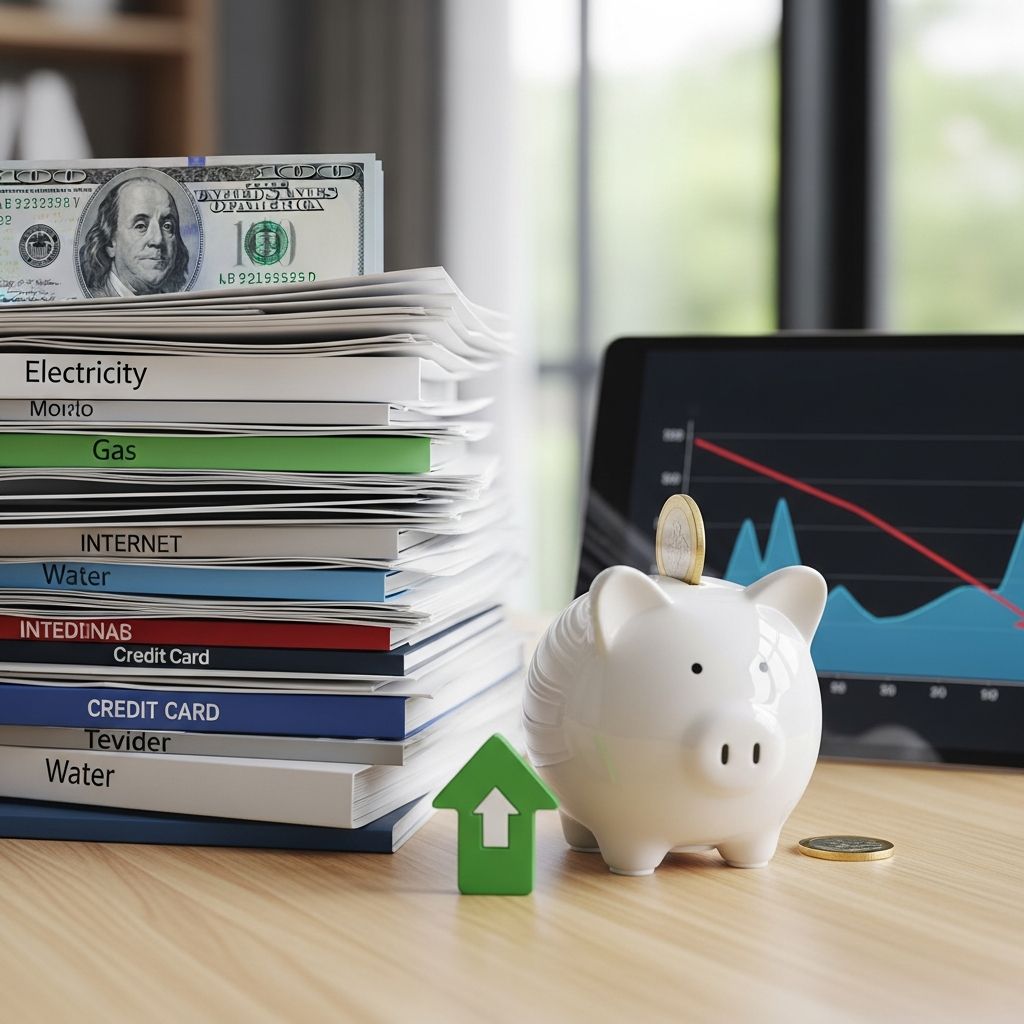
Monthly bills can quickly drain your bank account, but with targeted strategies, you can significantly reduce these expenses. From utilities and groceries to subscriptions and phone plans, small changes add up to substantial savings over time. This guide covers step-by-step methods to analyze your spending, automate payments, and implement household hacks for maximum impact.
Analyze Your Income and Expenses
Start by tracking every dollar in and out to identify savings opportunities. Write down your total monthly income and list all expenses, including utilities, streaming services, groceries, debt payments, and non-essentials like dining out. Tools like spreadsheets or apps help reveal hidden leaks, such as overpaying on cell plans by $24 monthly.
Realistic goal-setting is key: If your income is $3,000, allocate 50% ($1,500) to essentials like rent and food, 30% ($900) to wants, and 20% ($600) to savings and debt. Pay close attention to variable costs; comparing them across categories often uncovers easy cuts.
- Track for at least one month to capture seasonal variations.
- Categorize into fixed (rent, loans) and variable (entertainment, eating out).
- Highlight non-essentials exceeding 30% of income for immediate review.
Pick a Budgeting Method That Works for You
Choose a budgeting system tailored to your lifestyle to ensure adherence. Popular options include zero-based budgeting, where every dollar is assigned (income minus expenses = zero), and the envelope method for cash control.
Envelope Budgeting
Divide cash into envelopes labeled for categories like groceries, gas, and entertainment. Once empty, spending stops, enforcing discipline. Digital versions like Mvelopes apps simulate this for card users, ideal for those needing self-control.
Zero-Based Budgeting
Assign every income dollar a purpose upfront, preventing overspending. For a $2,500 income, pre-allocate to rent, food, savings, leaving zero unassigned.
Automate Bill Pay and Budgeting
Automation prevents late fees and simplifies finances. Set up online bill pay through your bank for all providers, including e-bills and payments to individuals like landlords.
Apps like Charlie (via SMS or Messenger) automate budgeting by alerting to overpayments and suggesting deals. Other tools scan statements for optimizations, turning budgeting effortless.
- Link all accounts to one platform for oversight.
- Schedule payments post-payday to avoid overdrafts.
- Review automations quarterly for plan changes.
Save Money Around the House
Home expenses like utilities and appliances dominate bills. Repair items instead of replacing; a simple fix costs fractions compared to new purchases.
Cut Utility Costs
Lower heating/cooling by 2 degrees saves ~$100 yearly; switch to LEDs and unplug devices. Install programmable thermostats and thermal curtains for passive savings.
| Utility Hack | Annual Savings Estimate |
|---|---|
| LED bulbs vs. incandescent | $75–$100 |
| Thermostat adjustment (2°) | $100 |
| Unplug standby devices | $50–$80 |
| Energy-efficient appliances | $200+ |
These tweaks compound: Full implementation can slash bills 20–30%.
Appliance and Furniture Savings
Opt for used or repaired goods. Check local listings for deals, extending item life without new costs.
Audit and Cancel Unused Subscriptions
Recurring charges lurk in statements; three $10 subscriptions total $360 yearly. Use apps like Rocket Money to detect and cancel them effortlessly.
- Review bank/credit statements monthly.
- Prioritize high-cost, low-use services first.
- Replace with free alternatives like library streaming.
Lower Phone, Internet, and Cable Bills
Negotiate or switch plans: Dropping from $70 to $30 cell saves $480 yearly. Prepaid options or providers like Metro by T-Mobile offer 5G home internet for $40/month (with qualifying plans).
Call providers annually; mention competitors for discounts. Bundle services sparingly to avoid lock-ins.
Cut Your Food Budget
Groceries eat budgets; plan meals to curb waste and impulse buys. Home cooking four nights/week vs. $40 takeout saves $2,000 yearly.
- Use printable coupons and Ibotta for cashback ($5 first receipt bonus).
- Compare store prices; shop sales across multiples.
- Buy store brands and bulk; inventory pantry first.
Meal Planning Tips
Template your week: Breakfast staples, batch-prep lunches, themed dinners reduce decisions and costs.
Use Public Transit and Community Resources
Skip 15-mile drives for bus/bike: Save $150/month on gas/parking. Carpool for shared costs.
Libraries offer free books, streaming, passes—cancel one $15 service saves $180/year. Attend free events for entertainment.
Additional Savings Strategies
Embrace no-spend challenges: Allow essentials (groceries, gas) but skip non-essentials; shop home inventory first. Open high-yield savings like Fidelity for fee-free growth.
Sell unused items via apps; negotiate recurring bills for $20–$240/year wins.
Frequently Asked Questions (FAQs)
What’s the fastest way to save on bills?
Audit subscriptions and negotiate phone/internet rates first—quick wins up to $50/month.
Can I save on groceries without meal planning?
Yes, use apps like Ibotta, coupons, and store brands for 20% cuts.
Is envelope budgeting still relevant digitally?
Absolutely; apps digitize it for modern spending control.
How much can utilities be reduced?
10–30% with LEDs, thermostats, and habits.
What if I live paycheck-to-paycheck?
Start small: Automate $20/paycheck to savings, track expenses.
References
- How to Save Money: 6 Step-by-Step Ways to Save Big Every Month — The Penny Hoarder. 2023. https://www.thepennyhoarder.com/save-money/save-money-6-step-step-ways-save-big-every-month/
- How to Save Money: 25 Proven Tips That Actually Work — The Penny Hoarder. 2025-06-15. https://www.thepennyhoarder.com/save-money/how-to-save-money/
- How I Save $1,000 A Year Living Paycheck To Paycheck — YourTango (orig. The Penny Hoarder). 2024. https://www.yourtango.com/money/how-save-thousand-dollars-year-living-paycheck-paycheck
- How to Save Money in 2026 With a No-Spend Challenge — The Penny Hoarder. 2025-12-01. https://www.thepennyhoarder.com/save-money/no-spend-challenge/
Similar Articles








Read full bio of Sneha Tete