Save Money On Groceries For One Person: 8 Smart Tips
Essential tips for singles to slash grocery bills, minimize waste, and eat well without overbuying bulky portions.
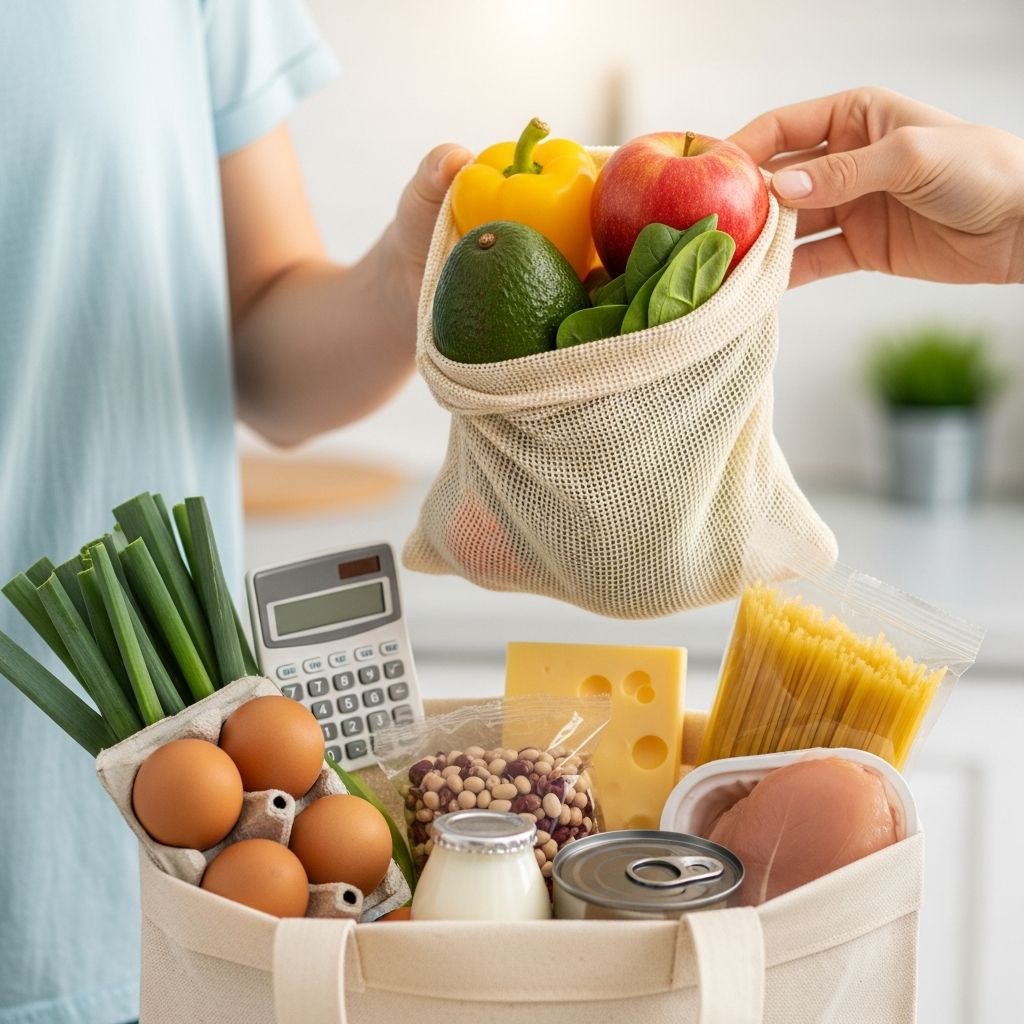
When shopping for groceries as a single person, challenges abound: oversized packages of meat or produce designed for families, recipes yielding servings for four or more, and the frustration of tossing expired food or unused ingredients. These issues can make it feel like money is vanishing into the kitchen trash. However, with targeted strategies, you can maintain a tight food budget, reduce waste, and enjoy varied meals without excess spending.
This guide outlines eight practical tips tailored for solo cooks. By implementing these, you’ll not only lower your grocery bills but also make meal prep efficient and sustainable. Whether you’re battling rising food prices or simply aiming for smarter habits, these steps ensure every dollar counts.
How to Save Money on Groceries for One Person
Grocery inflation has hit hard, with food costs soaring in recent years. For singles, the key is adapting family-sized deals to your needs without waste. Start by tracking your spending: the average single adult spends around $250-$400 monthly on groceries, but these tips can trim that by 20-30% through planning and tools. Focus on versatility, preservation, and value to transform your shopping routine.
1. Use Coupons and Money-Saving Apps on Groceries
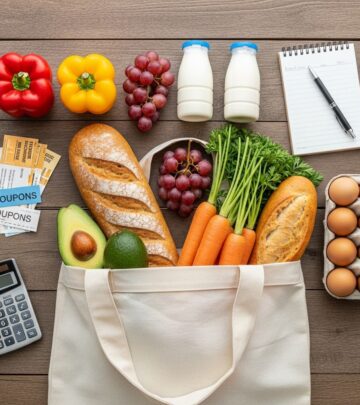
With food prices ballooning, small savings per trip add up significantly. Leverage digital tools and traditional coupons to offset costs without extra effort.
- Cash-Back Credit Cards: Opt for cards offering 2-6% back on groceries, like those from major issuers with supermarket bonuses. Use them exclusively for food purchases to earn rewards effortlessly.
- Apps like Ibotta, Fetch Rewards, and Coupons.com: Scan receipts post-shop for rebates on staples. Ibotta alone can yield $10-20 monthly for casual users by matching offers to your list.
- Store Loyalty Programs: Sign up for free apps from chains like Kroger or Publix for personalized digital coupons and points toward free items.
Combine these: shop with a cash-back card, apply app offers, and clip store deals. One user reported saving $50 monthly this way on a $300 budget.
2. Before You Go Grocery Shopping, Meal Plan With Similar Ingredients
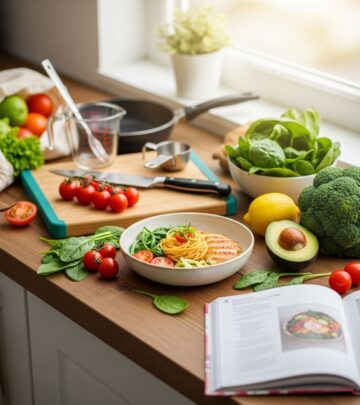
Meal planning is non-negotiable—shop with a list after comparing store flyers, and never go hungry to curb impulses. For one person, the trick is selecting 2-3 recipes sharing core ingredients, then halving portions to avoid surplus.
Example plan for a week:
| Day | Meal | Key Ingredients |
|---|---|---|
| Monday/Tuesday | Chicken Stir-Fry | Chicken breast, bell peppers, rice, soy sauce |
| Wednesday/Thursday | Chicken Quesadillas | Chicken breast, bell peppers, cheese, tortillas |
| Friday/Saturday | Veggie Pasta | Pasta, canned tomatoes, garlic, herbs |
This uses overlapping items like peppers and chicken across dishes, varying flavors to prevent boredom. Cut recipes in half: a 1-lb chicken pack serves four half-portions. Result? Less waste, fuller pantry utilization, and budgets under $60 weekly. Inventory your fridge first to incorporate leftovers.
3. Use Your Freezer to Preserve Food
Your freezer is a solo cook’s superpower, extending bulk buys and prepped meals. Freeze meats, breads, and veggies in single servings using zip bags or trays.
- Portion and Freeze Bulk: Buy family packs of chicken on sale, divide into 4-6 oz bags, flatten for space, label with dates. Thaw overnight for fresh-tasting meals.
- Make-Ahead Meals: Cook chilis, soups, or casseroles in single batches; freeze in muffin tins for easy grabs. Reheat in minutes.
- Produce Hacks: Chop herbs in oil for ice cubes, blanch veggies like spinach for longevity.
Freezing halves waste from perishables, allowing sales exploitation. Studies show households reduce food waste by 50% with proper freezing.
4. Shop the Sales and Stock Your Pantry
Sales cycles are predictable—track weekly ads via apps like Flipp. Capitalize on BOGO deals by freezing or pantry-stocking the freebie.
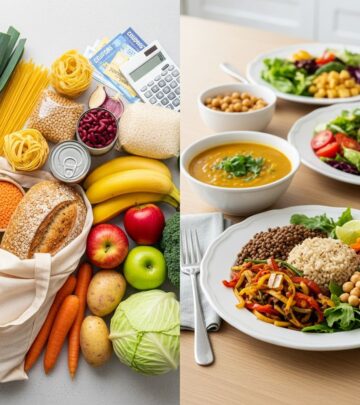
- Pantry Staples: Stock beans, lentils, pasta, rice, canned goods, sauces, and broths. These last months, cost pennies per serving, and form meal bases.
- Sale Strategy: Buy 2-4 weeks’ worth of non-perishables at 50% off. Rotate stock FIFO (first in, first out).
Incorporate into plans: lentil soup one night, pasta primavera next. This keeps budgets intact amid price hikes.
5. Buy Store Brands and Check Unit Prices
Store brands match name-brand quality at 20-40% less. Always calculate unit price (cost per oz/lb) on shelf tags—smaller packs often win for singles over bulky ‘value’ sizes.
Pro tip: Compare across stores; dollar stores excel for pantry items, while Aldi shines on produce.
6. Invest in Food-Saving Tools
Airtight containers, silicone lids, and vacuum sealers extend fridge life 2-3x. Stackable options maximize tiny spaces.
- Kitchen Scale: Weigh pasta (2 oz dry per serving) or proteins precisely.
- Specialty Items: Beeswax wraps for cheese, produce savers for greens.
Target spoil-prone items first; a $20 scale pays off in one waste-free week.
7. Use a Meal Kit Service
For busy singles, kits like HelloFresh or EveryPlate deliver 1-2 person portions with pre-measured spices—no waste, no store trips. Save the second serving for lunch. Introductory deals drop costs to $5-7/meal.
8. Eat Vegetarian
Vegetarian meals cost less (no pricy meat) and leftovers endure longer. Beans, eggs, tofu sub in: lentil curry or veggie stir-fry feeds days cheaply. One meatless day weekly saves $10+, scaling to $500 yearly.
Frequently Asked Questions (FAQs)
Q: How much can a single person realistically save on groceries monthly?
A: With these tips, expect 20-40% off a $300 baseline, or $60-120 monthly, via planning and tools.
Q: What’s the best meal plan for beginners cooking for one?
A: Pick 2-3 recipes sharing 60% ingredients, halve servings, freeze extras.
Q: Are meal kits worth it for singles?
A: Yes for time-crunched folks; portions prevent waste, flavors vary.
Q: How do I avoid food waste entirely?
A: Freeze promptly, use airtight storage, shop sales smartly, plan around pantry.
Q: Which apps save the most on groceries?
A: Ibotta, Fetch, Rakuten for cashback; Flipp for sales.
Implementing these strategies empowers singles to conquer grocery costs. Consistent habits yield lasting savings and less stress.
References
- Consumer Expenditure Survey: Average Food Spending — U.S. Bureau of Labor Statistics. 2024-09-10. https://www.bls.gov/cex/
- Food Price Outlook — U.S. Department of Agriculture Economic Research Service. 2025-11-15. https://www.ers.usda.gov/data-products/food-price-outlook/
- Household Food Waste Reduction Strategies — USDA Food Safety and Inspection Service. 2024-03-22. https://www.fsis.usda.gov/food-safety/safe-food-handling-and-preparation/food-safety-basics/food-waste
- Retail Food Prices — USDA Agricultural Marketing Service. 2025-12-01. https://www.ams.usda.gov/market-news/retail
- Meal Planning and Budgeting Guide — Federal Trade Commission Consumer Advice. 2023-07-18. https://consumer.ftc.gov/articles/shopping-groceries
Similar Articles








Read full bio of Sneha Tete