Winter Tires: Are They Worth The Investment? Expert Guide
Winter tires cost more upfront but can save on insurance, repairs, and keep you safer on snowy roads this season.
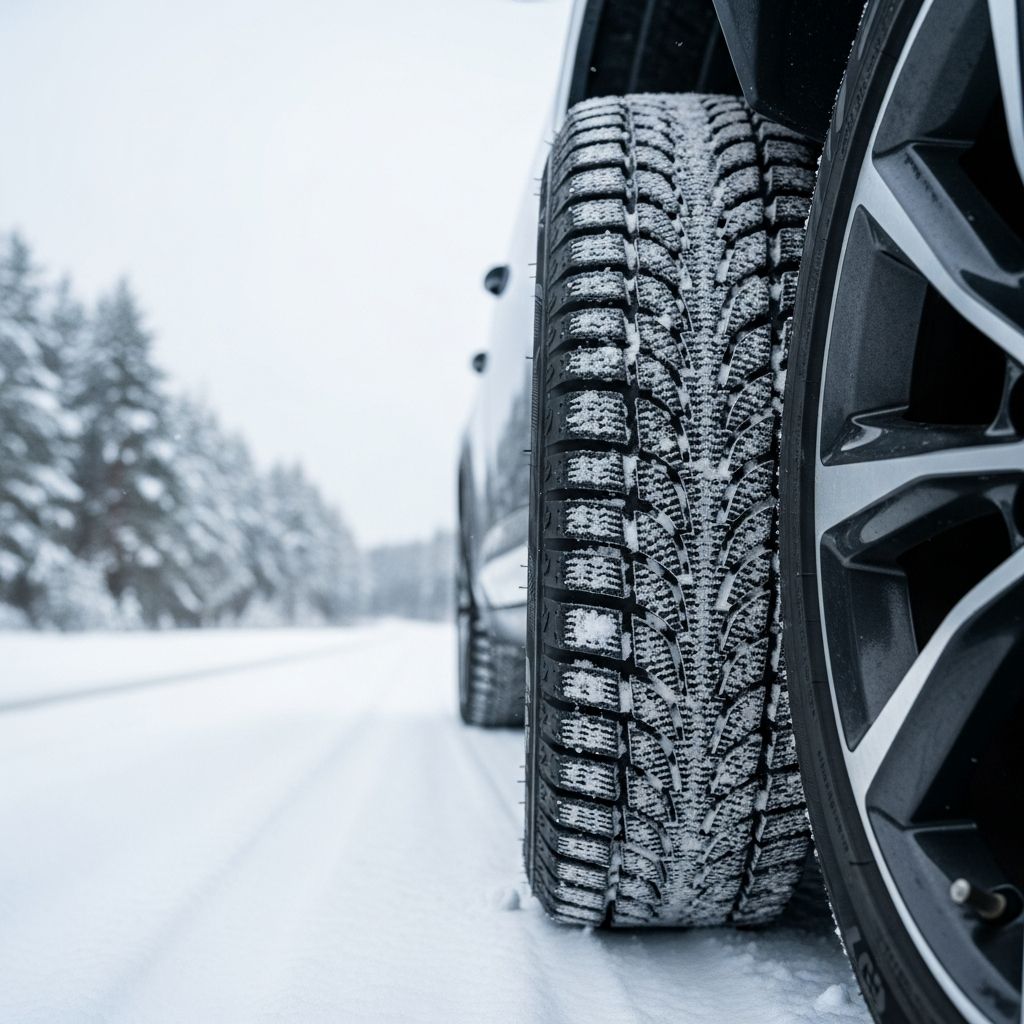
Winter tires represent a significant upfront expense for many drivers, often costing hundreds of dollars per set. However, they offer enhanced safety on snow, ice, and slush-covered roads by providing superior traction compared to all-season tires. Beyond safety, they can reduce wear on your regular tires, potentially lower insurance premiums in some cases, and prevent costly accidents or breakdowns during harsh winter conditions.
What Are Winter Tires?
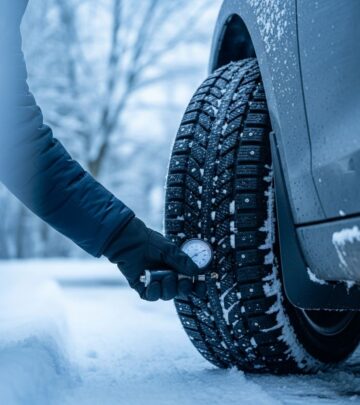
Winter tires, also known as snow tires, are specially designed with a unique rubber compound that remains flexible in cold temperatures below 45°F (7°C). This flexibility, combined with deeper tread patterns and sipes (small slits in the tread), allows them to grip snow, ice, and wet roads effectively. Unlike all-season tires, which harden in cold weather and lose traction, winter tires maintain performance in frigid conditions.
The rubber in winter tires contains more natural rubber and silica, preventing it from stiffening like standard tires do when temperatures drop. This ensures better contact with the road surface, reducing stopping distances by up to 20% on snow according to tire industry standards. Always look for the three-peak mountain snowflake (3PMSF) symbol on the sidewall to confirm a tire meets severe snow service requirements.
Winter Tires vs. All-Season Tires
All-season tires are marketed as a year-round solution, but they compromise in extreme conditions. Their tread is shallower and less aggressive, and the rubber compound prioritizes summer heat resistance over cold-weather flexibility. In temperatures below 45°F, all-season tires can increase braking distances by 15-20 feet on wet roads and even more on snow.
| Feature | Winter Tires | All-Season Tires |
|---|---|---|
| Tread Design | Deep, blocky with sipes for snow evacuation | Shallower, multi-use tread |
| Rubber Compound | Flexible below 45°F | Hardens in cold, optimal above 45°F |
| Snow Traction | Excellent (3PMSF rated) | Poor to moderate |
| Cost per Set | $500-$1,200 | $400-$800 |
| Braking on Ice | Up to 50% shorter distance | Longer, riskier stops |
As shown in the table, winter tires excel where all-seasons falter, making them essential in regions with regular snowfall or prolonged freezing temperatures.
Benefits of Winter Tires
- Superior Safety: Studies show winter tires reduce stopping distances on snow by 25-50% and improve cornering stability, lowering accident risk.
- Extended All-Season Tire Life: Using dedicated winter tires prevents premature wear on all-seasons from snow, salt, and cold, potentially saving $200-400 in replacements.
- Insurance Discounts: Many insurers offer 5-15% premium reductions for winter tires due to proven safety records.
- Fuel Efficiency: Better traction means less wheel spin, slightly improving gas mileage in slippery conditions.
- Resale Value: Vehicles equipped with winter tires appeal more to buyers in snowy climates.
Are Winter Tires Worth the Cost?
The average set of four winter tires costs $600-$1,000, plus $20-50 per tire for mounting and balancing twice a year (fall and spring). That’s $700-$1,200 annually for many drivers. However, this investment pays off through avoided expenses: a single fender-bender repair averages $2,500, and all-season tire replacement due to winter wear can exceed $500 prematurely.
Over five winters, winter tires could save $1,000+ in repairs, insurance hikes (post-accident premiums rise 40% on average), and tire longevity. In high-snow areas like the Rockies or Midwest, the return on investment is clearest, as all-seasons simply can’t match performance.
Who Needs Winter Tires?
Drivers in areas with frequent snow (6+ inches annually), ice, or temperatures regularly below 32°F benefit most. Check your local average snowfall: if it’s over 20 inches per season, winter tires are highly recommended. Families with children, commuters on highways, or those in rural areas with plowing delays should prioritize them for safety.
Even in milder winters, if roads see black ice or heavy slush, the traction advantage is undeniable. Conversely, in coastal areas with rare snow, all-seasons with good tread may suffice if chains are legal and carried.
How to Check If You Need New Tires: The Penny Test
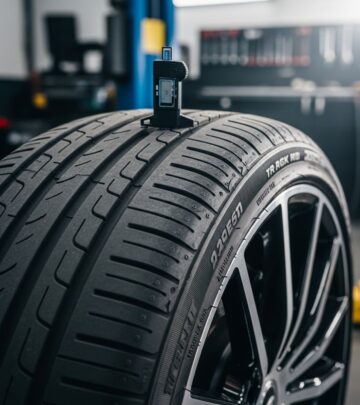
Before buying winter tires, assess your current tread depth using the simple penny test. Insert a penny into the tread groove with Lincoln’s head upside down. If the top of his head is visible, your tread is below 2/32 inch—the legal minimum in most states—and unsafe for any conditions, let alone winter.
Ideal winter tire tread starts at 6/32 inch or deeper for optimal snow performance. Cold weather exacerbates low tread issues, as tires lose pressure (dropping 1 PSI per 10°F below 32°F), reducing contact patch and traction further.
- Step 1: Park on level ground, remove any valve cap.
- Step 2: Insert penny upside down into multiple tread grooves.
- Step 3: If Lincoln’s head shows entirely, replace tires immediately.
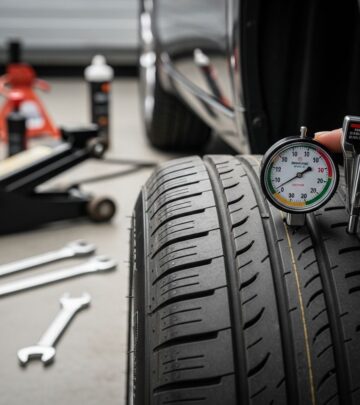
- Bonus: Check pressure monthly; underinflation causes 60% faster tread wear.
When to Switch to Winter Tires
Install winter tires when average daily highs dip below 45°F consistently, typically mid-November in northern states. Switch back to all-seasons by mid-March or when lows stay above 45°F. Driving on winter tires above 45°F accelerates wear due to the softer compound.
Pro Tip: Mark your calendar and get professional installation to avoid damaging rims. Store off-season tires in a cool, dry place away from sunlight to preserve rubber integrity.
Cost-Saving Tips for Buying Winter Tires
- Shop sales in October/November for 20-30% discounts.
- Buy used from trusted sellers with remaining tread verified via penny test.
- Opt for mid-tier brands like Michelin X-Ice or Bridgestone Blizzak for value.
- Join tire rebate programs—$60-100 back after purchase.
- Compare per-tire pricing; larger sizes cost more but last longer.
Avoid cheap imports without 3PMSF rating; they compromise safety for minor savings.
Winter Tire Maintenance Tips
To maximize lifespan (typically 3-5 winters):
- Rotate every 5,000 miles.
- Maintain 32-35 PSI cold pressure.
- Avoid potholes—winter freeze-thaw cycles create hazards that puncture tires.
- Wash off road salt to prevent corrosion.
Potholes from January’s freeze-thaw (23°F mornings to 39°F afternoons) expand cracks, leading to blowouts and alignments costing $100-500.
Frequently Asked Questions (FAQs)
Do I really need winter tires if I have all-seasons?
Yes, if you face regular snow/ice; all-seasons hydroplane more easily and stop longer in cold.
Can I use winter tires year-round?
No, they wear out 20-30% faster in warm weather and reduce handling.
How much do winter tires save on insurance?
Up to 10-15% discounts from providers like Progressive or Geico for documented installation.
What’s the penny test exactly?
Penny upside down in tread: visible Lincoln head means replace now.
Are studded winter tires legal?
Varies by state; allowed seasonally in 37 states for extreme ice.
Other Winter Car Prep Essentials
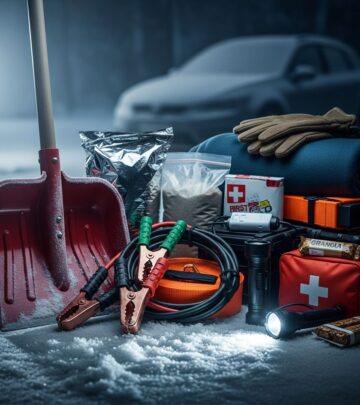
Winter tires pair with full prep: test battery (cold drains 60% power), top coolant, check wipers/lights, pack emergency kit (blankets, food, shovel). Warm engine 10-15 minutes before driving in freezes.
These steps prevent breakdowns, with batteries failing most in winter.
References
- The Penny Test That Could Save Your Life This Winter — KOAA 5. 2025-10-21. https://www.youtube.com/watch?v=ab0lpNK4exE
- Prepare your car for freezing winter temperatures — KVIA. 2026-01-09. https://kvia.com/news/2026/01/09/prepare-your-car-for-freezing-winter-temperatures-to-prevent-damage-stay-safe/
- Are Winter Tires Worth the Investment? — The Penny Hoarder. Undated. https://www.thepennyhoarder.com/save-money/winter-tires/
- Why does the winter season lead to the emergence of pothole-making weather? — ABC17 News. 2026-01-09. https://abc17news.com/weather/insider-blog/2026/01/09/why-does-the-winter-season-lead-to-the-emergence-of-pothole-making-weather/
- 7 Spring Car Care Tips — The Penny Hoarder. Undated. https://www.thepennyhoarder.com/save-money/spring-car-care-tips/
Similar Articles








Read full bio of Sneha Tete