How I Bunked With Eight Strangers in Miami to Save Money
Discover how living in a hostel slashed my housing costs in pricey Miami, unlocking free perks that supercharged my savings.
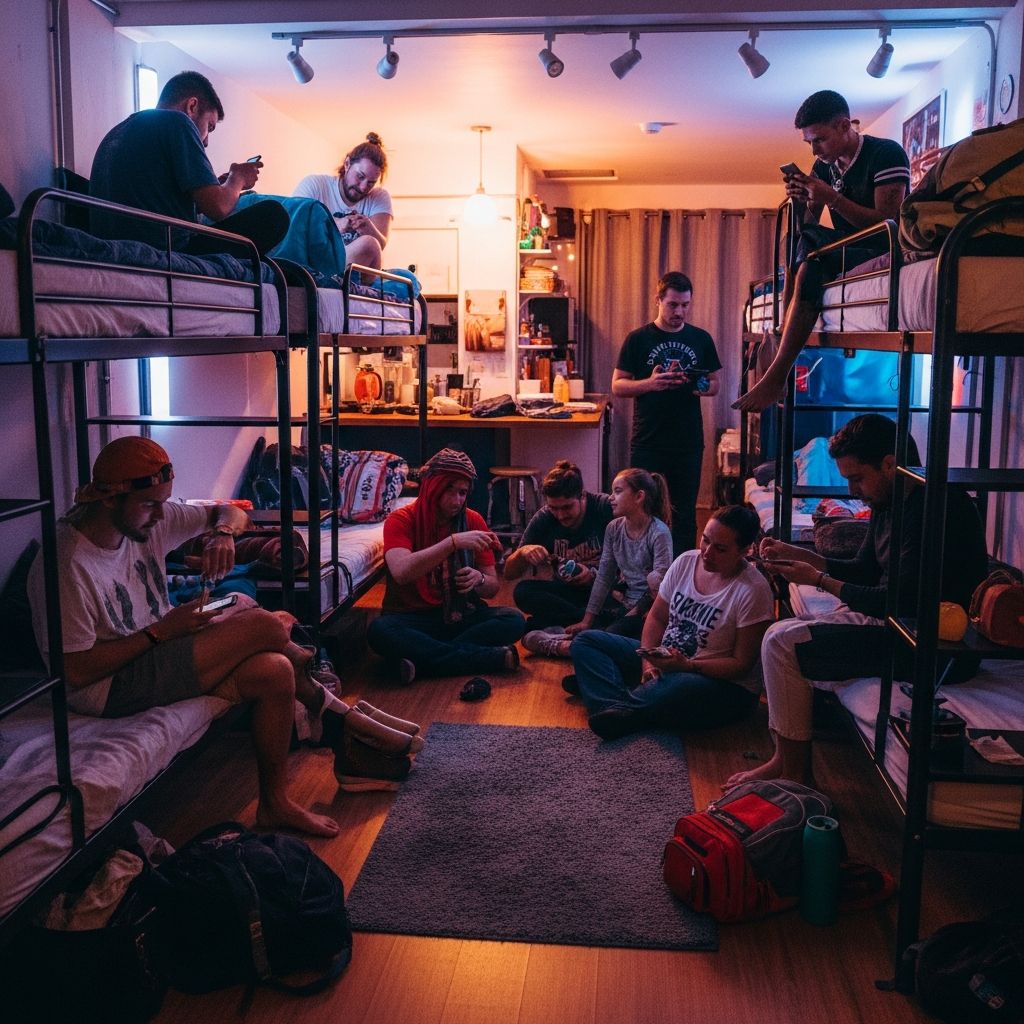
What I lost in privacy, I gained in dollars. By living in a hostel, I was able to save money more quickly than I would have in any other housing option, and there were a few unexpected perks that trimmed my monthly budget without sacrificing my social life.
Moving to a vibrant city like Miami can be a dream, but the reality of housing costs hits hard. Without enough money to pay the first month’s rent, let alone a deposit and last month’s rent—a standard requirement to sign a lease in Miami—I had to get creative. I rented a bed in an eight-person hostel room on South Beach. This decision wasn’t just a short-term fix; it became a strategic way to build savings while immersing myself in the city’s energy.
Hostels, often associated with backpackers and short-term travelers, offer a viable long-term housing alternative for budget-conscious individuals, especially in high-cost areas. Rates can be as low as $20-40 per night, translating to $600-1,200 monthly—far below average apartment rents in Miami, which hover around $2,500 for a one-bedroom according to recent market data. This setup allowed me to redirect funds toward experiences like travel and events, proving that communal living can align with personal financial goals.
Free Breakfasts to Start Your Day
Free breakfasts are becoming a staple amenity in hostels, and these meals are usually already included in the room rate—I found that the additional price is almost always lower than what I would have paid buying groceries to make my own breakfast.
The diversity and quality of food varies from place to place, but fresh fruit, coffee, and a granola bar or oatmeal are typically included. In my Miami hostel, mornings started with sliced bananas, oranges, steaming coffee, and packets of instant oatmeal. This simple spread fueled my day without dipping into my wallet. Once you build a rapport with the staff, they’ll usually even accommodate your work schedule by giving you food to go or serving you your breakfast a little earlier, if you need it.
Beyond convenience, these complimentary meals add up. The U.S. Bureau of Labor Statistics reports average household food spending at about $400 monthly, with breakfast items contributing significantly. By opting for hostel-provided options, I shaved off roughly $100-150 from my grocery bill each month. It’s a small perk that compounds over time, especially when you’re focused on aggressive saving.
- Typical inclusions: Fresh fruit (bananas, apples), yogurt, cereal, toast, coffee or tea.
- Pro tip: Chat with staff early to learn about any upgrades, like eggs or pancakes on weekends.
- Savings estimate: $5-10 daily, or $150-300 monthly.
Community Kitchens to Shape Your Diet
Hostel kitchens typically don’t have a stove or oven, so the types of food you can eat while staying there are naturally limited. Soups and sandwiches are an easy option, and they’re cheaper than most things you could cook outside of a microwave.
The communal refrigerator situation also poses some difficulties because you never know how much space you’ll actually have to store your food (or who might snag your tasty leftovers when you’re out of the room). Spaces aren’t rationed out, so it’s every guest for him/herself when it comes to finding a coveted spot in the refrigerator.
Be warned: By living in a hostel, you’re constantly surrounded by tourists on vacation who have restaurants and expensive cocktails built into their budget. Remember you’re not them, and stick to food you prepare yourself. I mastered no-cook meals like peanut butter sandwiches, salads from bagged greens, and microwave soups. Weekly grocery runs focused on versatile, affordable staples: bread ($2 loaf), peanut butter ($3 jar), canned tuna ($1 each), and fresh veggies.
| Meal Type | Example | Cost per Serving | Compared to Eating Out |
|---|---|---|---|
| Breakfast | Oatmeal + fruit | $0.50 | Saves $5 vs. cafe |
| Lunch | Sandwich + salad | $1.50 | Saves $10 vs. deli |
| Dinner | Microwave soup + bread | $2.00 | Saves $15 vs. restaurant |
This approach kept my monthly food costs under $250, half of what I’d spend living solo.
Free or Discounted Activities
VIP access to that club you’ve been eyeing? Late-night showing of that new movie you never got to see in theaters? Hostels consistently boast overflowing activity lists, and most seasoned establishments offer free activities every night in order to attract guests.
Take advantage of these perks! I never pictured strolling into Mango’s Tropical Cafe on South Beach with a gaggle of men and women speaking Spanish, Portuguese, French and German, and my budget benefited from going out with my hostel-mates instead of strolling in solo due to the discounted tickets our hostel was able to get for us.
Hostel activity boards buzzed with options: free yoga sessions at sunrise, beach volleyball tournaments, pub crawls with group discounts, and even movie nights in the common room. These weren’t just fillers; they fostered connections and slashed entertainment costs. Solo club entry might cost $30-50, but group hostel deals dropped it to $10-20, often including a drink. Over a month, this saved me $200+ on nights out.
- Free: Walking tours, game nights, language exchanges.
- Discounted: Club entries, museum tickets, transport passes.
- Bonus: Group sizes unlock better deals.
Free Local Knowledge
Your hostel staff most likely lives in the immediate area, and they’re usually required to have an extensive knowledge of the city where you’re staying. Take advantage of this opportunity to ask them what you’re dying to know about the city—best places to eat in the lesser-known parts of your new city, cheapest way to get around town and best places to go to meet other locals.
In my experience, they love these questions because it breaks up the monotony of the same old inquiries they receive daily. Taking advantage of this local knowledge can help you make informed long-term financial choices in your new city. Staff tipped me off to $1 bus routes avoiding tourist traps, hidden markets with cheap eats (think $5 Cuban sandwiches), and job networking spots frequented by locals.
This intel was gold for budgeting: I avoided overpriced rideshares, scoring public transit passes for $100/month versus $300+ on Uber.
Free Common Areas to Meet New People
If you’re really looking to stretch your budget, hanging out in your hostel’s common area is a great way to meet people without being required to pay a cover charge or buy a drink to linger. Enjoy knitting or journaling while you sit, and you’re guaranteed to have a fellow hosteler strike up a conversation with you—and you can pocket whatever money you would have spent during a night on the town.
Miami’s hostel lounge became my social hub: hammocks for reading, board games for evenings, Wi-Fi for remote work. No bar tabs, no entry fees—just organic connections. This replaced costly outings, saving $100-200 monthly while building a network that led to side gigs and friendships.
Free Language Lessons
My favorite thing about living in a hostel is the variety of people I can meet in an hour and the dozens of languages I can hear in a day. People who enjoy staying in hostels are generally open to having conversations with complete strangers, and most people are delighted when someone takes an interest in their culture.
Take advantage of your hostel’s multicultural clientele to brush up on that Spanish you haven’t used since college or learn a few basic phrases in Swahili. You’ll save the money you would have spent on a language lesson, and you’ll make a new friend in a different part of the world. Swapping phrases with Brazilian and European guests honed my Spanish, useful for Miami’s diverse scene—no app subscriptions needed.
While a hostel isn’t the most glamorous housing option, the money I’ve been able to save has made the communal living more than worth it. I’m able to spend my paycheck on experiences that are important to me, like traveling abroad and attending events around Miami. Living in a hostel is a great option for anyone who is moving to a city for the first time, and I recommend it for men and women of all ages.
India Amos is a thrifty travel writer based in Miami, Florida. She has lived in West Virginia and Argentina and is on a quest for the world’s best empanada.
Frequently Asked Questions (FAQs)
Is living in a hostel safe for long-term stays?
Yes, reputable hostels have security like keycard access, lockers, and 24/7 staff. Choose ones with high reviews on sites like Hostelworld.
How much can you really save compared to an apartment?
In cities like Miami, hostels cost $600-1,200/month vs. $2,000+ for apartments, plus utilities—savings of $1,000+ monthly.
What about privacy in a shared room?
Beds often have curtains or pods; earplugs and eye masks help. Private rooms are available at a slight premium.
Are hostels only for young travelers?
No, all ages stay—solo professionals, digital nomads, and families use them for affordability.
Can you work remotely from a hostel?
Most have strong Wi-Fi and quiet workspaces; common areas suit calls and focused tasks.
References
- Consumer Expenditure Survey — U.S. Bureau of Labor Statistics. 2024-09-10. https://www.bls.gov/cex/
- Rental Market Trends: Miami — U.S. Department of Housing and Urban Development. 2025-01-05. https://www.huduser.gov/portal/datasets/fmr.html
- Hostel Management Standards — Hostel International. 2023-11-15. https://www.hihostels.com/
- Public Transportation Data: Miami-Dade — Miami-Dade County Transit. 2025-02-01. https://www.miamidade.gov/transit/
- Consumer Price Index: Food — U.S. Bureau of Labor Statistics. 2024-12-11. https://www.bls.gov/cpi/
Similar Articles








Read full bio of Sneha Tete