10 Healthy Ways to Save Money on Organic Groceries
Discover proven strategies to slash costs on organic groceries without sacrificing health or quality – from apps to CSAs and more.
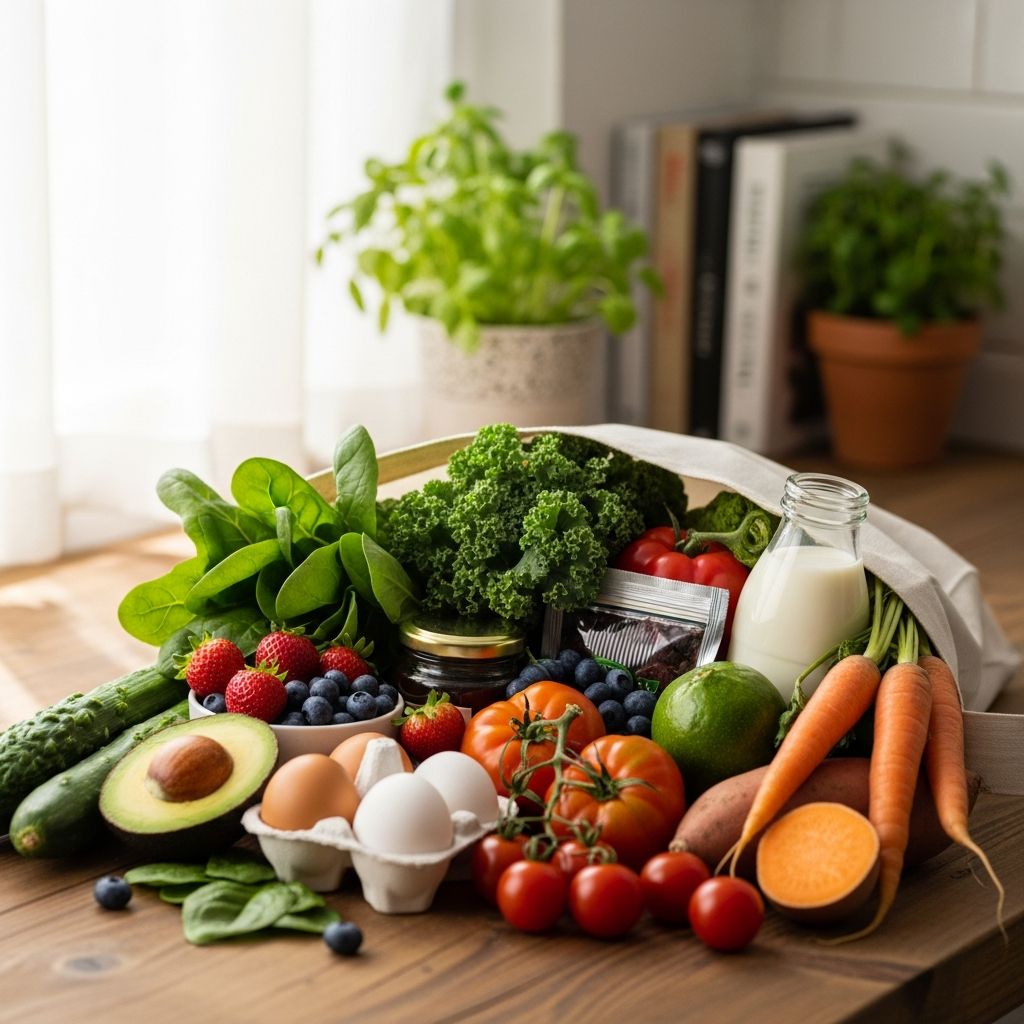
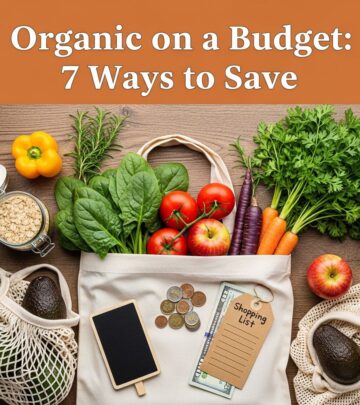
Organic groceries offer health benefits like reduced pesticide exposure, but their premium prices can strain budgets. Fortunately, savvy shoppers can employ smart strategies to cut costs significantly while stocking up on nutritious, organic foods. This guide outlines 10 proven methods to save money on organic groceries, drawing from real-world tips and tools that make healthy eating affordable.
1. Download Receipt-Scanning Apps Like Fetch Rewards
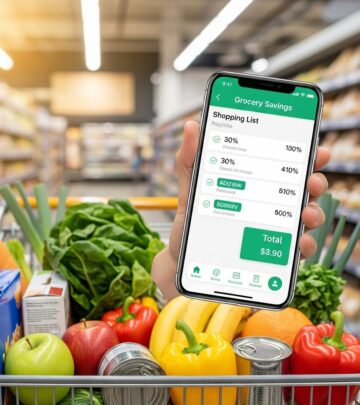
Start your savings journey with free apps that reward you for everyday purchases. Fetch Rewards lets you scan any grocery receipt to earn points redeemable for gift cards. Over 13 million users have turned routine shopping into cash back, including on organic items. Simply download the app, shop anywhere, snap a photo of your receipt, and watch points accumulate – no clipping coupons required.
- No need to select specific deals upfront; it works on all eligible purchases.
- Redeem points for Visa, Amazon, or grocery gift cards.
- Bonus: Points add up quickly on bulk organic buys.
These apps democratize savings, making organic shopping accessible even without traditional coupons.
2. Get Organic Products Delivered to Your Door
Skip the crowds and impulse buys by ordering organic groceries online. Services like Thrive Market specialize in organic, gluten-free, paleo, raw, and vegan products, delivering directly to your home. Categories span food, pet care, and health essentials – many items match grocery store quality at lower prices due to membership models.
Membership fees unlock wholesale pricing, often 25-50% below retail. Compare options like Misfits Market or Imperfect Foods for ‘ugly’ organic produce boxes that reduce waste and costs. For example, Imperfect Foods offers customizable boxes from $11 for 7 pounds, with organic upgrades available.
- Thrive Market: Exclusive organic focus, nationwide shipping.
- Imperfect Foods: Mix of produce, dairy, meats; $5.99 delivery under $60.
- Misfits Market: Serves 49 states, minimum $35 order.
3. Compare Popular Food Boxes for Best Deals
Not all delivery services are equal – compare to find your fit. Hungry Harvest offers flexible box sizes from mini ($15) to super ($33), with organic options up to $42. Customize via a ‘Never List’ to avoid unwanted items.
| Service | Best For | Price Range | Organic Available |
|---|---|---|---|
| Imperfect Foods | Customization | $11-$30.50 + shipping | Yes |
| Misfits Market | Broad Access | $35 min + $6.99 ship | Yes |
| Hungry Harvest | Flex Sizes | $15-$42 + $4.99 ship | Yes |
| Thrive Market | Organic Only | Membership-based | Exclusive |
These boxes cut middleman costs, delivering farm-fresh organics cheaper than stores.
4. Download This “Berry” Cool App: BerryCart
For targeted organic cash back, BerryCart aggregates deals on organic, gluten-free, and non-GMO products. Scan receipts from any store to earn rebates like 75¢ on Hope organic hummus, $2 on NutZo butter, or $1 on sparkling water. It’s a discovery tool for new brands while padding your wallet.
- Works universally – no store loyalty needed.
- Promotes verified organic deals.
- Easy photo upload for instant rewards.
5. Know Your Seasons
Seasonal shopping slashes prices on peak-supply produce and meats. Summer berries or fall squash cost less when abundant. Check local farmers markets or apps for in-season guides. Eating seasonally also boosts nutrition and supports local farmers.
Pro tip: Freeze extras to enjoy off-season savings year-round.
6. Learn How to Spot Your Favorite Store’s Organic Brand
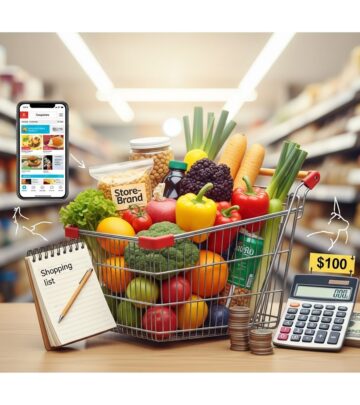
Store brands rival national organics at half the price. Look for these in your go-to retailers:
- Aldi: Simply Nature
- Kroger: Simple Truth
- Publix: Greenwise
- Safeway: Organics
- Target: Simply Balanced
- Whole Foods: 365 Everyday Value
Trader Joe’s and Whole Foods also compete fiercely on organics, with Trader Joe’s often edging out on price.
7. Discover Your Local CSA
Community Supported Agriculture (CSA) programs connect you directly to farmers. Pay upfront for shares of ultra-fresh, often organic produce. Penny Hoarder Kristen Pope got a quarter share for $9.53 weekly – a steal for seasonal bounty.
- Benefits farmers with early cash flow.
- Consumers get discounted, local food.
- Find CSAs via LocalHarvest.org or farm directories.
CSAs pair well with ugly produce boxes for maximum savings.
8. Buy in Bulk from Bin Sections
Bulk bins at co-ops or stores like Whole Foods offer organic flours, nuts, honey, and grains by the pound. Control portions to avoid waste, and prices beat packaged goods. Freeze leftovers for pantry staples.
9. Take the DIY Path: Grow Your Own Organic Produce
Home gardening eliminates costs and pesticides. Beginners can start with cost-effective veggies like tomatoes, lettuce, or herbs. Use organic seeds and soil for true certification. Guides show high ROI: grow $100+ worth from $20 in supplies.
- Choose easy, high-yield plants.
- Container gardening works for small spaces.
- Harvest fresh, reducing store trips.
10. Know What’s Worth Buying Organic
Not all organics justify the premium. Prioritize ‘Dirty Dozen’ like strawberries, spinach, and apples with high pesticide residues per Environmental Working Group data. Skip ‘Clean Fifteen’ like avocados or sweet corn.
Also, scour HomeGoods for discounted organics like chia seeds or coconut oil in the pantry aisle.
Frequently Asked Questions (FAQs)
Q: Is organic food worth the higher price?
A: It depends – opt for high-residue produce. Studies show no broad nutritional edge, but lower pesticides benefit health.
Q: Are ugly produce boxes truly organic?
A: Yes, many like Imperfect Foods offer organic options at lower prices by rescuing imperfect items.
Q: How much can I save with these tips?
A: Up to 50% via store brands, CSAs ($9/week shares), and apps; bulk and seasonal add more.
Q: What’s the best app for organic cash back?
A: Fetch Rewards for universal use, BerryCart for targeted organics.
Q: Can I grow organics in an apartment?
A: Absolutely – use pots, windowsills, or hydroponics for herbs and greens.
Bonus: Shop Ugly Produce and Farmers Markets
Extend savings with ugly produce deliveries or markets. Farmers skip cosmetic standards, selling direct at lower prices. Reduce waste while eating healthy – American Heart Association recommends 4-5 produce servings daily.
Combine strategies: CSA + apps + seasonal buys for deepest discounts.
References
- 10 Healthy Ways to Save Money on Organic Groceries — The Penny Hoarder. 2023. https://www.thepennyhoarder.com/save-money/save-money-on-organic-groceries/
- Save Money On Food By Buying Ugly Produce — The Penny Hoarder. 2023. https://www.thepennyhoarder.com/save-money/ugly-produce/
- Is Organic Food Worth the Higher Price Tag? — The Penny Hoarder. 2023. https://www.thepennyhoarder.com/save-money/is-organic-food-worth-it/
- Trader Joe’s vs. Whole Foods: Who Has the Best Prices? — The Penny Hoarder. 2023. https://www.thepennyhoarder.com/save-money/trader-joes-vs-whole-foods/
- What is organic food and when is it worth a higher price? — Middletown Press. 2018-05-15. https://www.middletownpress.com/news/article/What-is-organic-food-and-when-is-it-worth-a-11790618.php
Similar Articles








Read full bio of medha deb