How a Backyard Garden Could Save You $500 on Groceries
Discover how growing your own food in a backyard garden can slash grocery bills by up to $500 or more with smart planning and high-yield crops.
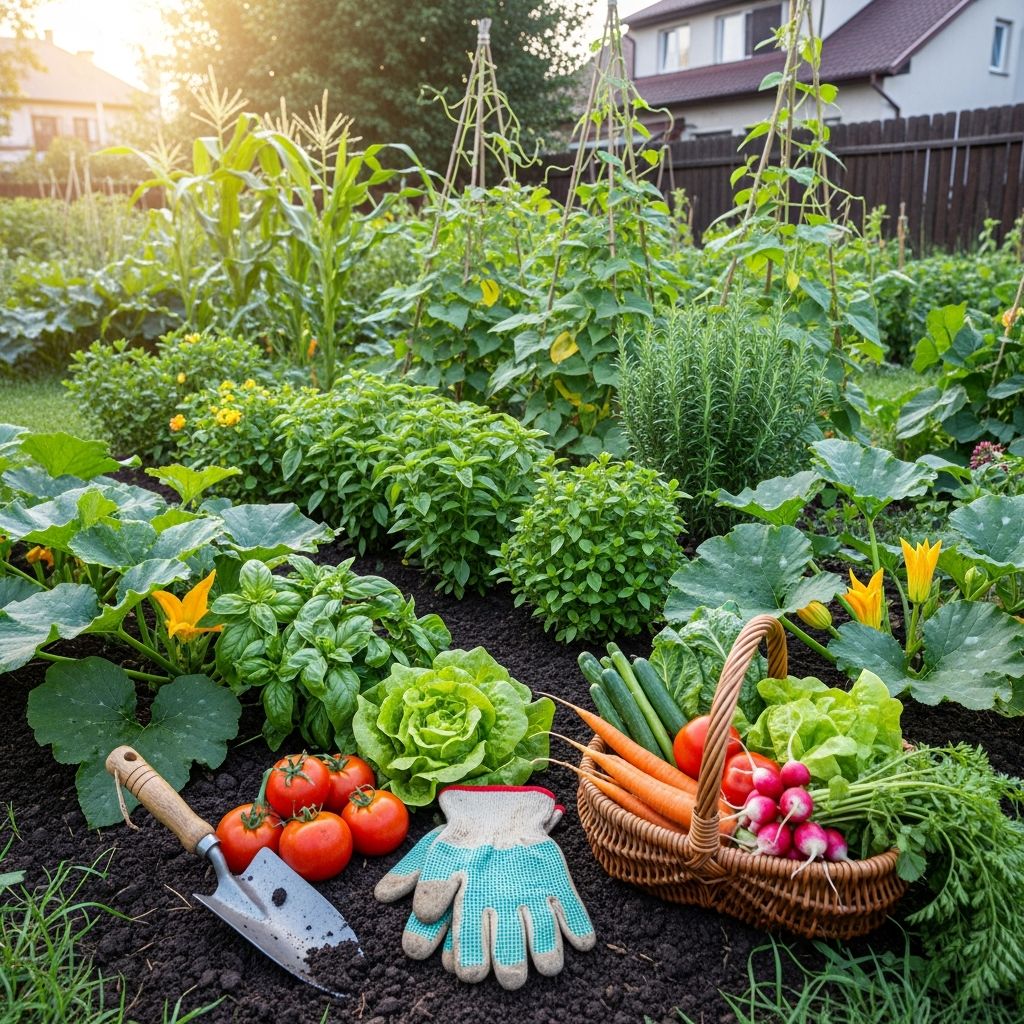
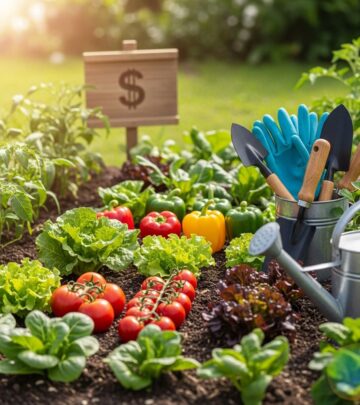
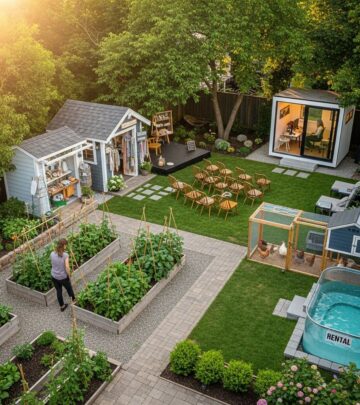
A modest backyard garden offers substantial financial returns, producing an estimated 300 pounds of fresh produce valued at $600 for an average investment of just $70, netting around $530 in savings according to the National Gardening Association (NGA).
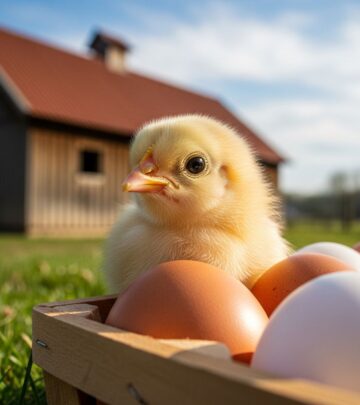
Real-world examples highlight even greater potential. Blogger Kristina Seleshanko managed two gardens measuring 12-by-14 feet and 33-by-3 feet, incurring startup costs of $278 including backyard chickens. Her harvest of eggs, tomatoes, kale, onions, and potatoes was valued at $1,770.89 at grocery prices, yielding $1,492.89 in savings during summer 2013.
These figures demonstrate why growing your own food ranks as a top strategy for reducing grocery expenses. By getting hands-on with gardening, Penny Hoarders can significantly cut checkout bills. Key strategies include strategic planting, cost-effective starts, space optimization, preservation techniques, and creative growing locations.
Plant What You Eat
The foundation of a money-saving garden is selecting crops you regularly consume. Cape Cod gardener Brittany Haskell emphasizes, “Grow stuff you eat!” Her choices—celery, green beans, cucumbers, cherry tomatoes, and squash—align directly with her meals.
Renowned author P. Allen Smith, in “Seasonal Recipes from the Garden,” advises reviewing grocery receipts to identify frequent buys. Fresh herbs often top the list; a $20 investment in herb plants provides a summer’s supply, far cheaper than store prices.
Consider local climate too. Homesteader Alexandra Bodrie from Sandwich, Massachusetts, notes, “Plant what is reasonable for where you live.” Cape Cod’s short season favors green beans and peas over watermelons, enabling her to eat homegrown produce from June to September.
- Review receipts: Identify top-spent produce like tomatoes, herbs, lettuce.
- Match to climate: Choose heat-tolerant or cold-hardy varieties suited to your zone.
- Family favorites: Prioritize kid-approved veggies to minimize waste.
This targeted approach ensures every plant contributes to real savings, avoiding the pitfall of growing unwanted surplus.
Start with Seeds
Seeds offer the most economical entry to gardening. A recent grocery check showed tomatoes at $2.29 per pound, while a six-pack of plants yielding 15-25 pounds each costs under $5, and seed packets are cheaper still.
Starting from seeds multiplies returns exponentially. One packet can produce dozens of plants, slashing per-unit costs. Indoor seed-starting under grow lights or on windowsills requires minimal gear—a tray, soil, and labels—for pennies compared to nursery prices.
| Crop | Seed Cost (Packet) | Expected Yield | Grocery Equivalent Value |
|---|---|---|---|
| Tomatoes | $2-3 | 15-25 lbs/plant | $35-60/plant |
| Lettuce | $1-2 | 10-20 heads | $20-40 |
| Beans | $2 | 10-15 lbs | $25-40 |
| Herbs (Basil) | $1.50 | Continuous harvest | $50+ season |
Seeds democratize gardening, allowing beginners to scale up affordably. Free resources from cooperative extensions provide starting guides.
Plan Well to Maximize Yield
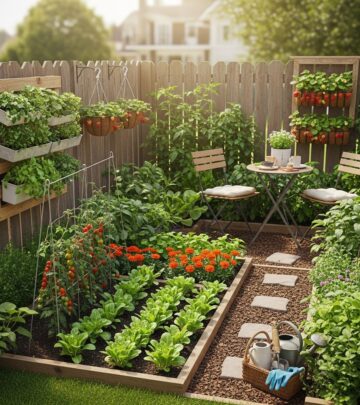
Garden size needn’t be large for big savings. The NGA reports average U.S. gardens span 600 square feet, but smaller plots suffice.
Focus on high-yield crops: tomatoes, onions, leaf lettuce produce abundantly in limited space. Avoid or limit low-yield options like Brussels sprouts, celery, pumpkins unless space allows.
- High-yield stars: Tomatoes (vertical growth), lettuce (succession planting), onions (easy storage).
- Space-savers: Bush varieties, interplanting (radishes under tomatoes).
- Succession planting: Sow lettuce every 2 weeks for continuous harvest.
Companion planting boosts efficiency—marigolds deter pests, nasturtiums trap aphids. Vertical structures like trellises expand usable space in small yards.
Plant Now, Eat Later
Extend savings beyond harvest with preservation. UMass Amherst’s Center for Agriculture, Food and the Environment recommends growing surplus of storable crops: carrots, potatoes, onions, winter squash, pumpkins need minimal processing.
Brittany Haskell preserves diligently: “If you are diligent in harvesting and preserving correctly right away, you can make your produce last well into the winter. I didn’t have to buy a pepper at all last winter.” She and Bodrie blanch and freeze extras.
A small chest freezer proves invaluable for year-round access to fresh-tasting veggies, beans, and berries. Canning, drying, and root cellaring further stretch the harvest.
- Freezing: Blanch greens, peppers; portion into bags.
- Root storage: Cool, dark cellar for potatoes, carrots.
- Canning: Salsas, sauces from tomatoes.
Think Outside the Garden
Gardens transcend backyards. NGA notes growth in containers on decks, patios, community plots, schools, senior centers, even front yards.
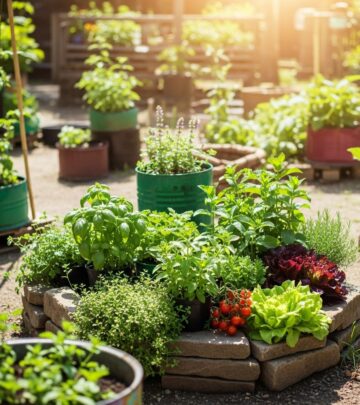
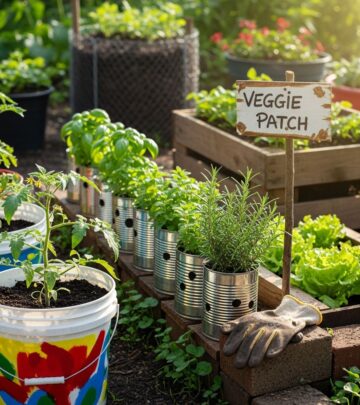
Small-space solutions abound: pots for herbs, tomatoes, cucumbers, lettuce. Sunny windows or balconies work indoors.
Beyond savings, gardens provide free entertainment. Bodrie, a single mom, says, “It takes work and time to tend your garden—time you would otherwise be out and about spending money—plus it is a great educational activity to do with the kids.”
State cooperative extensions and master gardener programs offer free advice tailored to locals.
Frequently Asked Questions (FAQs)
What’s the average savings from a backyard garden?
The NGA estimates $530 net savings from a $70 investment yielding $600 in produce.
Best beginner crops for savings?
Tomatoes, lettuce, herbs, beans—high yield, low cost, easy to grow.
Can I garden without a yard?
Yes, use containers on patios, balconies, or indoors near windows.
How do I preserve harvest for winter?
Freeze blanched veggies, store roots in cool cellars, can sauces.
What if I have poor soil?
Start with raised beds or containers filled with quality soil mix.
Ally Piper is a writer, designer, and marketing director on Cape Cod. She once grew mammoth zucchini and eagerly awaits her next garden.
References
- National Gardening Association Garden Study — National Gardening Association. 2009. https://garden.org/research/
- UMass Amherst Center for Agriculture, Food and the Environment: Vegetable Storage Guide — University of Massachusetts Amherst. 2023-10-15. https://ag.umass.edu/vegetable/fact-sheets/storing-vegetables-root-cellar
- USDA Cooperative Extension System: Home Gardening Resources — United States Department of Agriculture. 2025-01-01. https://www.nifa.usda.gov/topics/cooperative-extension
- National Gardening Association: The Impact of Home Food Gardening — National Gardening Association. 2014. https://garden.org/special/pdf/2014/Impact-of-Gardening-2014.pdf
- USDA Plant Hardiness Zone Map — United States Department of Agriculture. 2023-11-15. https://planthardiness.ars.usda.gov/
Similar Articles








Read full bio of Sneha Tete