Save Money On Groceries Without Coupons: Smart Strategies
Master strategic shopping techniques to slash your grocery bills without relying on traditional coupons.
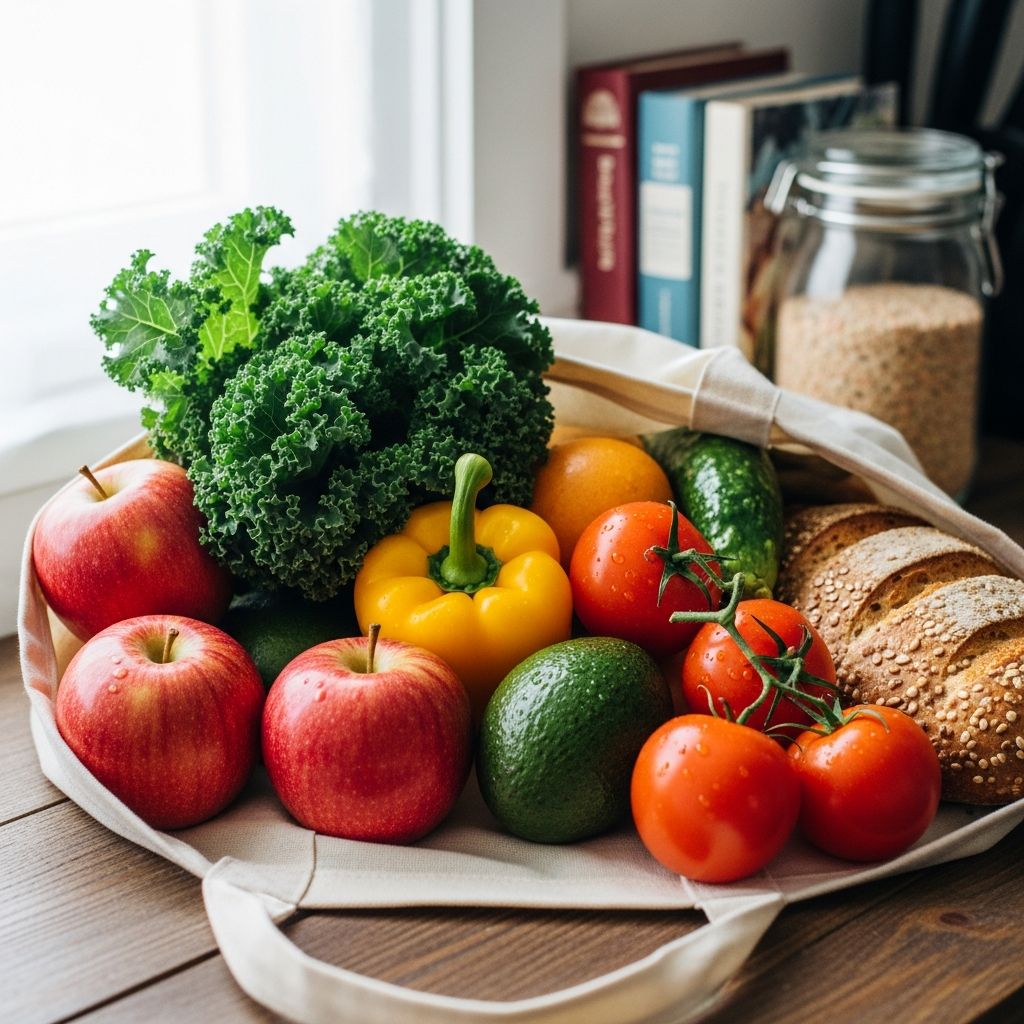
Grocery prices have reached unprecedented levels, forcing many families to seek creative solutions for reducing their food budgets. While coupons are a traditional money-saving tool, they require time, effort, and often don’t cover all the products you need. The good news is that there are numerous effective strategies to trim your grocery bill without clipping a single coupon. By implementing smart shopping habits, strategic planning, and leveraging modern technology, you can significantly reduce your food expenses while maintaining quality nutrition for your household.
Create a Realistic Grocery Budget
The foundation of any successful grocery savings plan begins with establishing a clear budget. Before you set foot in a grocery store, determine how much you can realistically spend on food each week or month. This proactive approach prevents impulse purchases and keeps you accountable to your financial goals. Some households have successfully maintained budgets as low as $4 per day per person, while others feed larger families of five on $64 weekly. The key to achieving these results lies in knowing your spending limit before shopping and developing a strategic plan to meet your goals.
Creating a budget forces you to think critically about your food choices and priorities. Write down your target amount, review past spending patterns, and adjust expectations based on your family size and dietary needs. This mental framework makes you more conscious of every purchase and helps you identify areas where you can cut back without sacrificing nutrition or satisfaction.
Master the Art of Meal Planning
Meal planning is one of the most powerful tools in your grocery-saving arsenal. By planning your meals for the entire week before shopping, you accomplish multiple objectives simultaneously. First, you eliminate the wasteful practice of purchasing random ingredients you may never use. Second, you reduce meal prep anxiety by knowing exactly what you’ll cook each night. Third, you prevent expensive last-minute takeout decisions when you’re unsure what to make.
When meal planning, focus on recipes that share overlapping ingredients. For example, if you purchase chicken, bell peppers, and onions, you can use these components in stir-fries, fajitas, soups, and casseroles throughout the week. This strategy maximizes the value of each ingredient and minimizes food waste. Create a detailed shopping list based on your meal plan, organizing items by store section to streamline your shopping experience and avoid browsing areas where you might be tempted by unnecessary purchases.
Leverage Store Loyalty Programs and Cashback Apps
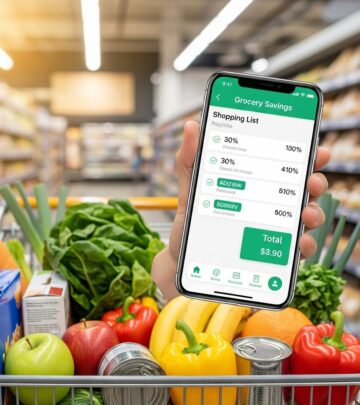
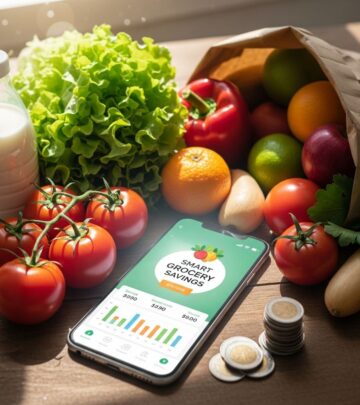
Modern grocery shopping extends beyond the physical store. Most major retailers offer free loyalty programs that provide personalized discounts, digital deals, and exclusive savings opportunities. These programs cost nothing to join and can yield substantial savings when used consistently. Additionally, mobile apps like Ibotta, Rakuten, and Nielsen Consumer Panel offer cashback on purchases you’d make anyway, allowing small savings to accumulate into significant amounts over time.
Credit cards with grocery-specific cashback rewards represent another avenue for savings. Some cards offer 3-5% cashback on grocery purchases, effectively reducing your costs without requiring traditional coupons. The combination of loyalty programs, cashback apps, and credit card rewards can reduce your effective grocery spending by 5-15%, representing hundreds of dollars annually for the average household.
Choose Store Brands Over Name Brands
One of the simplest yet most impactful changes you can make involves switching from name-brand products to store brands or generic alternatives. Consumers often assume premium pricing correlates with superior quality, but testing has shown that store brands frequently match or exceed name-brand quality at significantly lower prices. Store brands typically cost 20-40% less than their name-brand equivalents, and larger package sizes often offer even better per-unit pricing.
Store brands work particularly well for staple items like rice, beans, pasta, canned vegetables, cooking oils, and baking ingredients where quality differences are minimal. For products where you strongly prefer a specific brand, compare the per-ounce or per-unit price to ensure you’re making an informed decision rather than assuming the name brand is always more expensive.
Shop Sales and Stock Your Pantry Strategically
Successful grocery savers understand that deals follow patterns and seasonal cycles. Most stores feature buy-one-get-one-free (BOGO) deals on rotating items each week. By tracking these sales cycles and purchasing heavily discounted items in bulk, you create a well-stocked pantry that allows you to shop less frequently and pay lower average prices.
Establish a system for monitoring sales at your preferred stores. Many retailers publish weekly ads online or through apps, allowing you to identify deals before you shop. When you find exceptional sales on shelf-stable items with long expiration dates, purchase multiple units. Organize a pantry system with clear labeling and a rotating inventory approach (first in, first out) to ensure nothing spoils or gets forgotten.
Seasonal variations also present opportunities for savings. Produce costs significantly less when items are in season and grown locally. Canned and frozen versions of seasonal produce offer year-round availability at lower prices than out-of-season fresh options.
Shop at Alternative Retailers
Traditional supermarkets often carry higher price tags than alternative shopping venues. Discount grocery stores like Aldi, local ethnic grocers, farmers markets, and warehouse clubs offer substantial savings opportunities. Farmers markets frequently feature locally grown produce at prices lower than major supermarket chains, while ethnic grocers often stock specialty items and bulk basics at competitive prices.
Discount grocery stores specializing in closeout merchandise, dented cans, and overstock items can provide remarkable bargains on quality products. Warehouse clubs like Costco and Sam’s Club offer bulk purchasing opportunities that reduce per-unit costs significantly, though they typically require membership fees. Calculate whether the membership investment makes sense based on your shopping volume and preferred products.
Embrace Frozen and Bulk Purchases
Many consumers underestimate the value of frozen produce and prepared foods. Frozen fruits and vegetables are picked at peak ripeness and flash-frozen, preserving nutritional value better than fresh produce that has traveled long distances and sat in storage. Frozen items cost less than fresh alternatives, last longer without spoiling, and eliminate food waste. Frozen vegetables simplify meal preparation through easy stir-fries, soups, and side dishes, while frozen fruits work perfectly for smoothies, baking, and desserts.
Bulk purchasing of dried goods—rice, beans, lentils, pasta, and baking staples—offers significant per-unit savings compared to individually packaged portions. Store these items in airtight containers to maintain freshness and prevent pest contamination. For items like meat and seasonal produce, buying in bulk and freezing portions for later use extends availability and reduces average costs.
Invest in Food Storage and Preservation Tools
Quality food storage containers and preservation tools directly impact your ability to reduce waste and extend the life of purchased foods. Airtight containers maintain freshness longer than open storage, stackable designs maximize refrigerator and freezer space, and proper organization prevents forgotten items from spoiling. Kitchen scales help portion individual meals accurately, preventing overpreparation and waste when cooking for one or two people.
Consider additional preservation investments like an extra freezer for bulk storage, vacuum-sealing equipment for freezing meals, and clear labeling systems that identify contents and freezing dates. These tools represent modest upfront investments that pay dividends through reduced food waste and improved meal flexibility.
Reduce Produce Costs Through Smart Selection
Produce represents a significant portion of most grocery budgets, making this category crucial for cost optimization. Choose locally grown, in-season produce when available, as transportation and storage costs for out-of-season items inflate prices considerably. “Ugly” produce with minor cosmetic imperfections often costs less than perfect-looking items despite identical nutritional value and taste.
Reduce the weight you pay for by removing excess stems, stalks, and leaves before purchase when items are sold by the pound. Even a 5% weight reduction equals a 5% bill reduction. Consider purchasing produce that’s slightly past peak ripeness if you plan to use it immediately or process it into preserves, applesauce, or frozen portions.
Explore Community Supported Agriculture (CSA) Programs
Community Supported Agriculture programs connect consumers directly with local farms, eliminating middleman markups while supporting agricultural communities. Members typically pay a seasonal fee in exchange for regular deliveries of fresh, seasonal produce directly from the farm. CSA memberships often provide better value than traditional grocery stores while ensuring freshness and supporting local economies. Many CSA programs offer flexible options, allowing you to choose delivery frequency and product combinations.
Consider Meal Kit Services for Portion Control
For individuals cooking alone, meal kit services offer a practical solution to the portion-control problem. These services deliver pre-portioned ingredients with recipes, eliminating waste from overbuying and the complexity of using partial ingredients across multiple recipes. While meal kits typically cost more per serving than traditional grocery shopping, they solve the critical problem of food waste for solo cooks and reduce the time spent meal planning and shopping.
Incorporate Meatless Meals Into Your Rotation
Animal products represent some of the most expensive items at grocery stores, making strategic reduction a powerful cost-cutting tool. By incorporating one or two meatless meals per week, you significantly reduce overall food spending while maintaining nutritional completeness through plant-based proteins like beans, lentils, and legumes. Vegetarian meals often cost one-quarter to one-half the price of meat-based alternatives while providing excellent nutrition and satisfying portions.
Hearty vegetarian dishes like bean-based soups, lentil curries, and legume salads create substantial leftovers that last longer than meat-based meals, extending the value of your purchase even further. Explore global vegetarian cuisines that naturally emphasize plant-based proteins for variety and culinary interest.
Avoid Convenience Charges and Delivery Fees
Grocery delivery services and online ordering with convenience fees can add 15-25% to your total bill when including delivery charges, tips, and service fees. While convenient, these services represent a significant budget drain. Instead, commit to in-store shopping or use curbside pickup options that many retailers now offer free. The modest time investment in traditional shopping returns substantial financial savings compared to convenience-based alternatives.
Know Your Store’s Pricing Patterns
Each grocery store follows specific pricing patterns and promotional cycles. Identify which day of the week your preferred stores mark down prices on items like bakery goods, deli items, and produce nearing expiration. Learn about each store’s specific money-saving tactics and loyalty program benefits. Some stores offer fuel rewards, others provide gift card bonuses, and some have senior discounts or specific community programs. Understanding these nuances allows you to maximize savings opportunities.
Buy Seasonal and Preserve for Later
Take advantage of seasonal abundance by purchasing large quantities of fruits and vegetables when they’re at peak season and lowest prices. Process excess produce into applesauce, jams, preserves, or frozen portions for enjoyment throughout the year. This strategy ensures you enjoy seasonal produce year-round while minimizing costs and supporting local agriculture during peak harvest periods.
Frequently Asked Questions
Q: How much can I realistically save by following these strategies?
A: Implementing these strategies typically reduces grocery spending by 20-40% depending on your starting point and commitment level. Some households have achieved savings as high as 50% by combining multiple strategies including meal planning, bulk purchasing, store brands, and leveraging cashback programs.
Q: Do these strategies work for families with specific dietary restrictions?
A: Yes, these principles apply regardless of dietary preferences. Adjust meal planning and store selection to focus on specialty items meeting your dietary needs. Many discount stores now carry organic, gluten-free, and other specialty products at competitive prices.
Q: What’s the best way to start implementing these changes?
A: Begin with meal planning and store brand switching, as these require minimal effort while delivering immediate savings. Gradually add cashback apps and loyalty programs, then expand to exploring alternative retailers and bulk purchasing strategies.
Q: How do I avoid food waste when buying in bulk?
A: Use proper storage containers, freeze items appropriately, maintain clear labeling with dates, and regularly review inventory. Plan meals around your stockpiled items and use a rotating inventory system to ensure older items are used first.
Q: Are frozen fruits and vegetables nutritionally equivalent to fresh produce?
A: Yes, frozen produce is picked at peak ripeness and flash-frozen, often preserving nutrients better than fresh produce that has traveled long distances and spent time in storage. Nutritionally, frozen and fresh are comparable, with frozen offering superior cost and waste reduction.
References
- Single? Here’s How to Save Money on Groceries for One Person — The Penny Hoarder. https://www.thepennyhoarder.com/save-money/save-on-groceries-for-one-person/
- A $70 Two-Week Grocery Budget for Two? Here’s What to Buy — The Penny Hoarder. https://www.thepennyhoarder.com/save-money/two-week-grocery-budget/
- 22 Creative Ways to Save Money on Food and Still Eat Well — The Penny Hoarder. https://www.thepennyhoarder.com/save-money/how-to-save-money-on-food-eat-well/
- How to Save Money on Produce With These Simple Tips — The Penny Hoarder. https://www.thepennyhoarder.com/save-money/how-to-save-money-on-produce/
- Grocery Trips Getting Pricey? Here’s What Works — The Penny Hoarder. https://www.thepennyhoarder.com/save-money/grocery-trips-getting-pricey-heres-what-works/
Similar Articles








Read full bio of medha deb