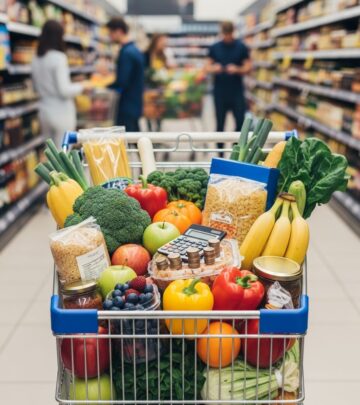
Save Money On Groceries: 28 Ways To Save $100 Or More
Discover 28 proven strategies to slash your grocery bill by $100 or more each month with smart shopping and pantry hacks.
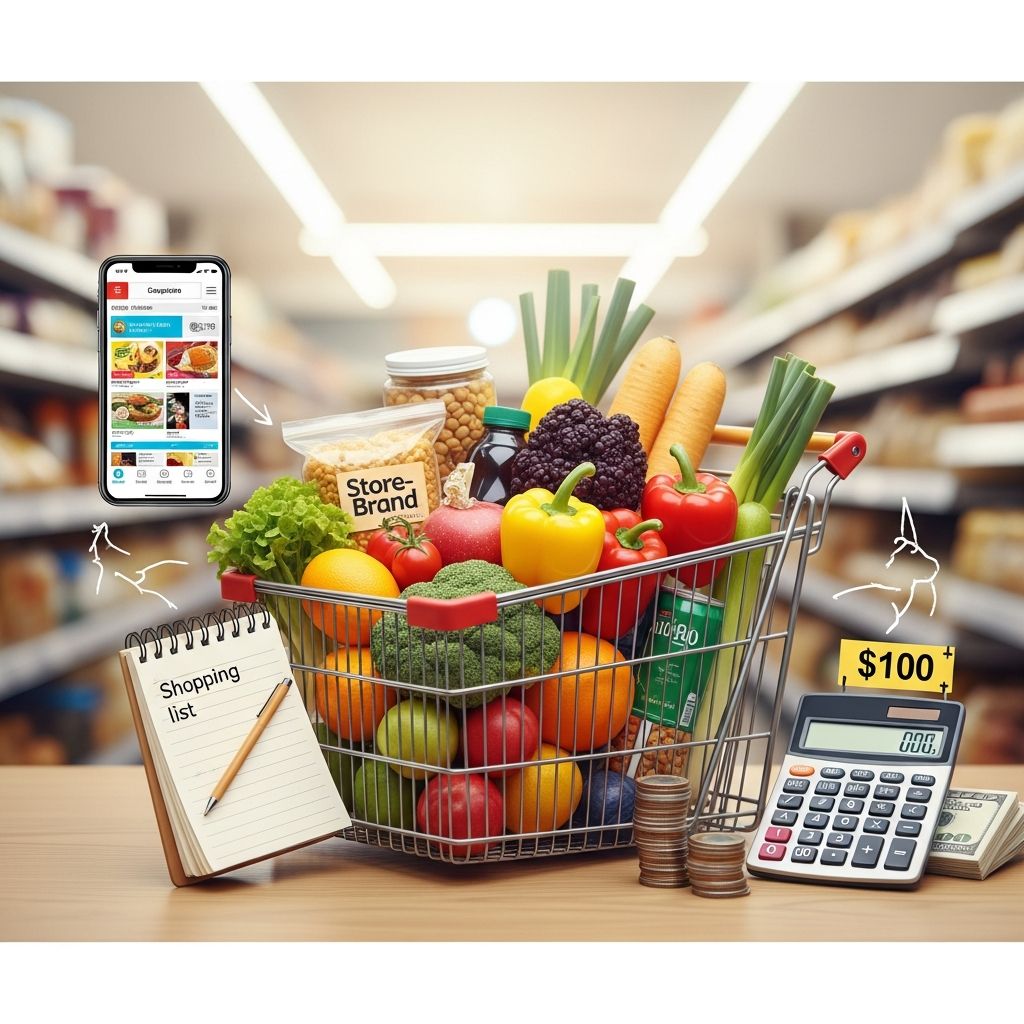
High grocery prices can strain any budget, but with the right strategies, you can cut your spending by $100 or more each month. This guide covers proven tools, tricks, and habits—from pantry challenges to coupon apps—that help families shop smarter and reduce waste without sacrificing nutrition or variety.
Penny Hoarder Favorites
Our team and readers swear by these top tactics for immediate savings. Start here for quick wins on your next shopping trip.
- Get up to $250 in Coupons: Sign up with Betty Crocker for exclusive coupons and access to 15,000 tested recipes. It’s free and delivers savings directly to your inbox.
- Join Nielsen Consumer Panel: Scan your grocery barcodes with their app to earn points redeemable for electronics, toys, or household items. No purchase minimums required.
- Use Ibotta for Cash Back: Scan receipts for over 250 brands and earn points automatically. Matching offers can double your rewards, like 2,000 points for Suave products.
1. Try the Pantry Challenge
The pantry challenge forces creativity by eating only from your existing stock—no new purchases allowed. This reduces food waste and can save $100-$150 weekly. Inventory shelves, freezer, and fridge, then plan meals around staples like oats, canned goods, and frozen veggies.
For example, one family turned rolled oats into DIY packets, stuffed sweet potatoes with chickpeas, and made mushroom pea risotto from odds and ends. Breakfasts became homemade granola with pecans; lunches featured PB&J pinwheels on tortillas. By week’s end, they’d cleared space and discovered budget recipes.
How the Pantry Challenge Works
- Step 1: Take stock—list everything edible, including wilted produce and freezer items.
- Step 2: No shopping for 7-14 days; get creative with perishables first.
- Step 3: Plan daily meals: e.g., Monday breakfast (oatmeal), lunch (leftovers), dinner (stuffed potatoes).
Verdict: Slim pickings test patience, but families report satisfaction and real savings. Time in the kitchen increases, but so does appreciation for home cooking.
2. Meal Plan Ruthlessly
Create a weekly menu based on sales flyers and pantry items. This curbs impulse buys and ensures every purchase gets used. Tools like apps (Flipp for flyers) help spot deals on proteins, produce, and staples.
| Day | Breakfast | Lunch | Dinner |
|---|---|---|---|
| Monday | Oatmeal packets | Leftovers/sandwiches | Stuffed sweet potatoes |
| Tuesday | PB&J pinwheels | Pea pesto toast | Mushroom pea risotto |
| Wednesday | Homemade granola | Freezer burritos | Chile verde |
Adapt for vegetarians or families by prioritizing versatile items like rice, beans, and eggs.
3. Shop Sales and Use Rain Checks
Always check weekly ads. When BOGO deals (buy one, get one) sell out—like Nutella—ask for a rain check. Stores honor them later, locking in savings.
4. Leverage Cash-Back Apps
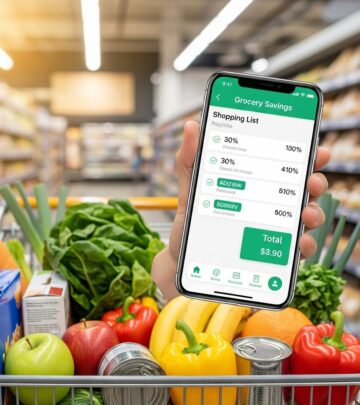
Apps like Ibotta, Fetch Rewards, and Nielsen turn routine shopping into rewards. Scan receipts post-purchase for effortless points on everyday brands.
5. Buy Store Brands
Generic labels match name-brand quality at 20-40% less. Test with staples like cereal, pasta, and dairy.
6. Shop Perimeter First
Groceries cluster healthy, affordable items (produce, meats, dairy) on edges. Avoid marked-up middle aisles unless on sale.
7. Bulk Buy Non-Perishables
Warehouse clubs like Costco shine for rice, nuts, and canned goods. Divide with friends to avoid waste.
8. Freeze Extras
Portion and freeze breads, meats, and produce to extend life. Turn overripe bananas into smoothies or bread.
9. Use Digital Coupons
Load store apps (Kroger, Publix) for e-coupons that apply automatically at checkout.
10. Eat Seasonally
In-season produce costs less and tastes better. Winter: root veggies, citrus; summer: berries, zucchini.
11. Portion Proteins
Stretch meat with beans or grains. Aim for 3-4 oz per serving.
12. Make Scratch Staples
DIY salad dressing, bread crumbs, or yogurt from pantry basics—cheaper and customizable.
13. Track Spending
Apps like Mint or a simple spreadsheet reveal leaks, like snack overspending.
14. Shop Mid-Week
Tuesdays/Wednesdays offer markdowns on soon-expiring items.
15. Avoid Pre-Cut Produce
Whole heads of lettuce or bulk carrots save 50%+ over packaged versions.
16. Brew Your Own Coffee/Tea
Skip $5 lattes; bulk grounds yield gallons for pennies.
17. Grow Herbs
Windowsill basil or mint cuts $1-2 per bunch indefinitely.
18. Repurpose Leftovers
Fried rice from veggies, soups from bones—zero waste.
19. Limit Trips
One big weekly shop prevents ‘milk run’ temptations.
20. Compare Unit Prices
Larger packs aren’t always cheaper—check per-ounce costs.
21. Use Cash Only
Set a $100 envelope; cards encourage overspending.
22. Ditch Snacks
Pack fruit or homemade granola bars instead of $4 bags.
23. Shop Smaller Stores
Aldi, Lidl offer 20-30% savings vs. mega-chains.
24. Harvest Clearance
Evening markdowns on bakery, meat, dairy—perfect for freezing.
25. Batch Cook
One session yields meals for days, saving time and gas.
26. Water Down Juices
Dilute concentrates or opt for whole fruit.
27. No Kids on Trips
Impulse candy/puffs add $20 easily.
28. Challenge Yourself: $100/Week
Like YouTube hauls, focus on versatile staples: rice, yogurt, bananas, buns. Prioritize family favorites for sustainability.
Frequently Asked Questions (FAQs)
Q: Can a pantry challenge really save $100?
A: Yes, by clearing waste and avoiding shops, families report $100-$150 savings weekly, though it demands creativity.
Q: What’s the best app for grocery savings?
A: Ibotta and Fetch for receipt scanning; Flipp for sales flyers.
Q: How do rain checks work?
A: Request when sale items are out; use later at sale price.
Q: Is bulk shopping worth it for small families?
A: Yes, freeze/share extras; focus on non-perishables.
Q: How to meal plan on a $100 budget?
A: Emphasize beans, rice, seasonal produce; check ads first.
References
- Consumer Expenditure Survey: Average Grocery Spending — U.S. Bureau of Labor Statistics. 2024-09-10. https://www.bls.gov/cex/
- Food Waste in America: Facts and Figures — USDA Economic Research Service. 2023-12-15. https://www.ers.usda.gov/data-products/food-availability-per-capita-data-system/
- Pantry Challenge Guide — The Penny Hoarder. 2023-11-01. https://www.thepennyhoarder.com/save-money/pantry-challenge/
- Household Food Budgeting Tips — Federal Trade Commission Consumer Advice. 2024-02-20. https://consumer.ftc.gov/articles/how-save-money-groceries
- Grocery Savings Strategies — USDA Thrifty Food Plan. 2025-01-01. https://fns-prod.azureedge.us/sites/default/files/resource-files/Cost-of-Food.pdf
Similar Articles








Read full bio of medha deb