Government Impersonation Scams: 6 Red Flags And What To Do
Protect your finances from scammers posing as government officials demanding money or personal info.
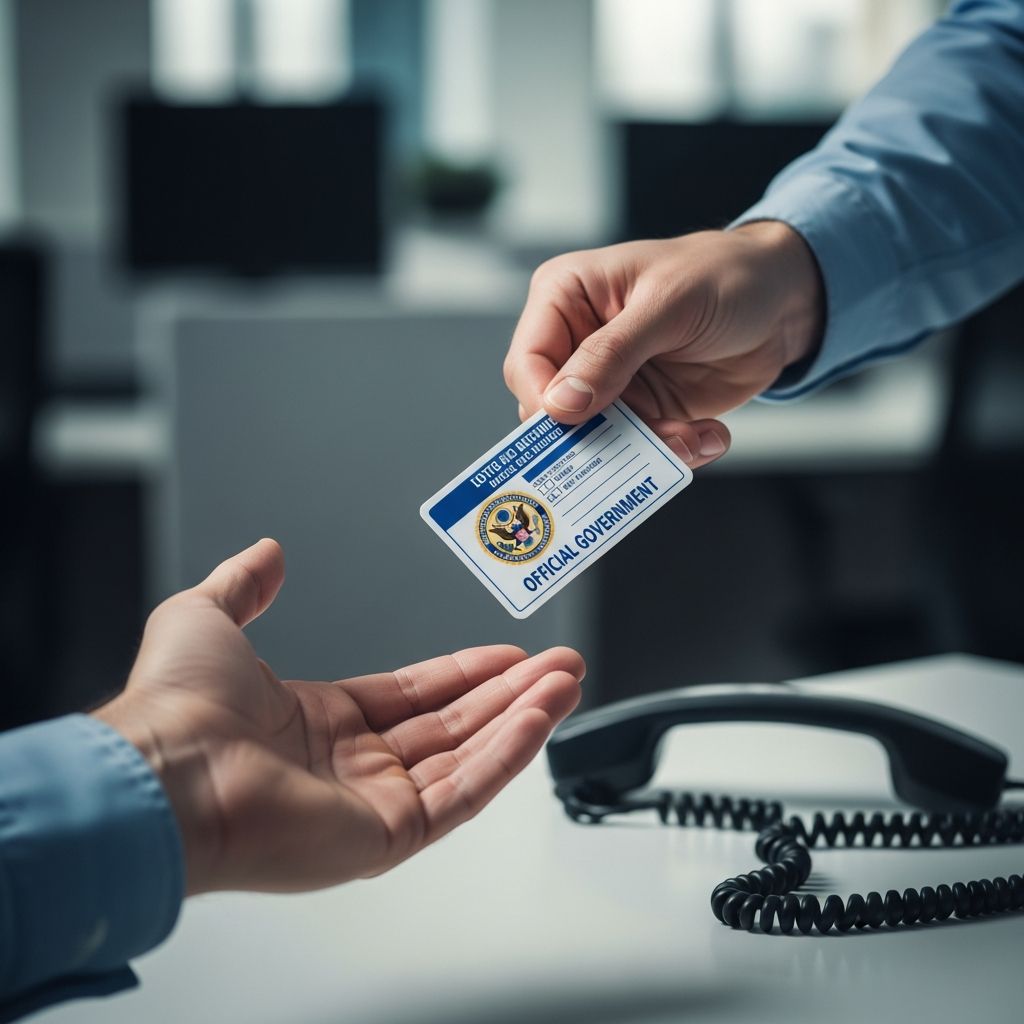
Government impersonation scams are on the rise, with fraudsters posing as officials from agencies like the IRS, Social Security Administration (SSA), or local police to trick victims into sending money or sharing personal information. These scams often involve urgent calls, emails, or texts claiming immediate action is needed to avoid arrest or account suspension, leading to billions in losses annually.
What Are Government Impersonation Scams?
Scammers contact victims via phone, email, text, social media, or in-app calls, pretending to be from legitimate government agencies. They use spoofed caller IDs, official-sounding language, and personal details to build trust. Common tactics include threats of arrest, demands for payment of fake debts, or requests for verification of bank details.
Victims are pressured to act quickly, often asked to pay via untraceable methods like gift cards, wire transfers, cryptocurrency, or prepaid cards. Real government agencies never demand immediate payment this way or request sensitive information over unsolicited calls.
How These Scams Work
Scams typically start with an unsolicited contact:
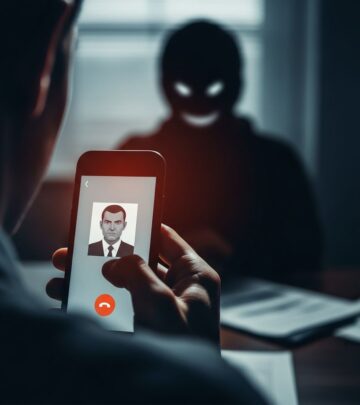
- A phone call or WhatsApp video from someone claiming to be police or a government officer alleging bank account issues.
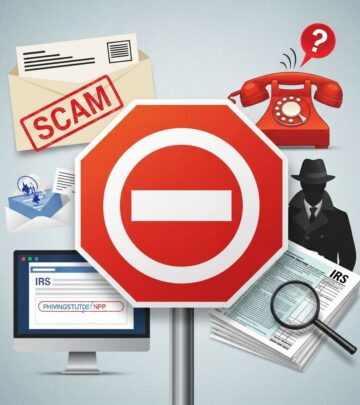
- An email or text spoofing an agency like the IRS, warning of owed taxes or suspended benefits.
- Claims your identity was used in a crime, like money laundering or missing jury duty, requiring payment to resolve.
Scammers may transfer calls to fake “supervisors,” request OTPs, or direct victims to show IDs on video. Unauthorized transactions appear later, revealing the fraud.
Common Types of Government Impersonation Scams
Fraudsters target various agencies. Here’s a breakdown:
| Scam Type | Description | Common Demands |
|---|---|---|
| IRS Impersonation | Caller claims you owe taxes and threatens arrest, deportation, or license revocation unless paid immediately. | Wire transfers, gift cards, or cryptocurrency. |
| Social Security Administration | Message says benefits will end or SSN is suspended; must pay to fix. | Payment apps, gift cards, or bank details. |
| Medicare | Request for Medicare or bank numbers for a “new card,” despite cards being sent free. | Personal or credit card info. |
| Police/Law Enforcement | Claims involvement in crime like drug smuggling; demands funds to secure accounts. | Transfers to “police” or app installations. |
| Other (e.g., Debt Collector) | Fake U.S. attorney or court official demands payment for debts or overpayments. | Immediate wire or crypto payments. |
Tech support-government hybrids, like “Phantom Hacker,” combine tactics for deception.
Red Flags: Signs It’s a Scam
Recognize these warning signs to stay safe:
- Unsolicited urgent contact: Government doesn’t call unexpectedly for payments or info.
- Payment demands: Never via gift cards, wire, crypto, or apps—use official channels instead.
- Threats: Arrest, deportation, or benefit loss unless immediate action.
- Requests for info: OTPs, bank logins, IDs, or app installs from unofficial sources.
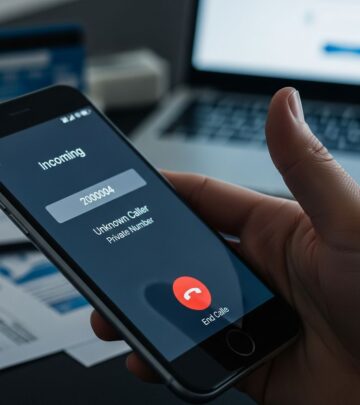
- Spoofing: Fake caller IDs or emails mimicking agencies.
- Pressure tactics: Insist on secrecy or quick decisions.
Legitimate agencies use .gov emails, mail for notices, and never demand untraceable payments.
Real-Life Examples and Losses
These scams devastate victims, especially seniors. In 2023, over-60s lost $179.6 million. Singapore reported S$151.3 million in 2024 from similar frauds. U.S. IC3 notes billions yearly from impersonation.
Examples:
- A victim receives a WhatsApp call from fake SPF officer demanding bank details; loses funds after sharing OTP.
- Fake IRS call threatens jail unless gift cards are bought.
- SSA scam claims SSN compromised, requests wire transfer.
How to Protect Yourself
Prevention is key:
- Hang up or ignore: Don’t engage unsolicited contacts.
- Verify independently: Contact agency via official website or number.
- Never share info: No OTPs, logins, or payments to strangers.
- Avoid remote access: Don’t download software or grant device control.
- Check sender IDs: Gov texts start with agency name and end with “Singapore Government” note (or equivalent).
- Educate others: Warn family, especially vulnerable elders.
Use call-blocking apps and enable transaction alerts.
What to Do If You Suspect a Scam
- Don’t pay or share: Stop all interaction.
- Contact your bank: Freeze accounts, report fraud.
- Report it: U.S.—FTC at ReportFraud.ftc.gov, IC3.gov, or SSA/IRS sites; Singapore—ScamShield.
- Block numbers: Report scam accounts on apps.
- Monitor accounts: Check for unauthorized activity.
Frequently Asked Questions (FAQs)
What should I do if I get a call from someone claiming to be the IRS?
Hang up and visit IRS.gov to verify. IRS contacts via mail, never demands instant payment by gift card.
Can government officials ask for my bank details over the phone?
No. Legitimate agencies never request logins, OTPs, or payments unsolicited.
How do scammers get my personal information?
From data breaches, public records, or prior scams; they use it to seem legitimate.
Is it safe to pay with cryptocurrency if it’s “official”?
No—government never requests crypto, wires, or gift cards.
What if I’ve already shared information?
Change passwords, contact bank/police immediately, monitor credit.
Stay Vigilant: The Cost of Falling Victim
These scams exploit trust in authority, targeting fears of legal trouble. With billions lost yearly, awareness saves money and stress. Always verify, never rush, and report suspicious activity.
References
- Government Officials Impersonation Scams — ScamShield (Singapore Police Force). 2024. https://scamshield.gov.sg/i-want-protection-from-scams/learn-to-recognise-scams/government-officials-impersonation-scams/
- Tech/Customer Support and Government Impersonation — Internet Crime Complaint Center (IC3), FBI. Accessed 2026. https://www.ic3.gov/crimeinfo/techsupportgovimpersonation
- How To Avoid a Government Impersonation Scam — Federal Trade Commission (FTC). Accessed 2026. https://consumer.ftc.gov/articles/how-avoid-government-impersonation-scam
- CID Lookout: Government Imposter Scams on the Rise — U.S. Army Criminal Investigation Division. 2020-10-01. https://www.cid.army.mil/Media-Resources/Releases/Article-Display/Article/3352286/cid-lookout-government-imposter-scams-on-the-rise/
- Government Impersonation Scams — National Council on Aging (NCOA). 2023. https://www.ncoa.org/article/government-imposter-scams-what-they-are-and-how-to-spot-them/
Similar Articles








Read full bio of Sneha Tete