Save Money By Going Mostly Meatless: Practical Budget Guide
Cut your grocery budget by reducing meat consumption while maintaining nutrition and flavor.
How to Save Money by Going Mostly Meatless
In today’s economy, grocery bills continue to climb, leaving many households searching for practical ways to stretch their food budgets. One of the most effective strategies for reducing food expenses is adopting a mostly meatless diet. By reducing meat consumption and incorporating more plant-based foods, families can achieve substantial savings without sacrificing nutrition, taste, or satisfaction. This comprehensive guide explores how to transition to a meatless or mostly meatless diet while maintaining affordability and enjoying delicious, nutritious meals.
Understanding the Cost Savings of a Meatless Diet
Research demonstrates compelling financial benefits to reducing meat consumption. A low-fat vegan diet cuts food costs by 19%, or approximately $1.80 per day, when compared with a standard American diet that includes meat, dairy, and other animal products. Over the course of a year, these daily savings accumulate to more than $650 in grocery cost reductions. A plant-based diet can save the average household $8.55 per week, or $34.23 per month, compared to an omnivorous diet, even when accounting for more expensive plant-based substitutes. Additionally, depending on how much meat you currently consume, a vegetarian diet can lower your grocery bills by more than $100 per month.
The significant cost reductions stem from several factors. The primary savings come from eliminating expensive meat purchases, which account for approximately $2.90 per day in reduced spending. Dairy products contribute an additional 50 cents per day in savings, and decreased spending on added fats adds another 50 cents daily. While adopting a plant-based diet may involve increased spending on vegetables (approximately 50 cents per day), grains (30 cents per day), and meat alternatives (50 cents per day), these increases are substantially outweighed by the savings from eliminating animal products.
Starting Your Mostly Meatless Journey
Transitioning to a mostly meatless diet doesn’t require going entirely vegan or vegetarian overnight. For many households, adopting a “mostly meatless” approach—significantly reducing meat consumption while occasionally enjoying it—provides an ideal balance between savings, nutrition, and personal preference. This gradual approach makes the transition more sustainable and allows families to discover new favorite dishes without feeling deprived.
Begin by identifying your family’s favorite meat-free meals and building from there. Consider cuisines that naturally feature plant-based ingredients, such as Mediterranean, Indian, Thai, and Mexican cuisines. These culinary traditions offer abundant inspiration for flavorful, satisfying meals that don’t center on meat.
Strategic Menu Planning for Maximum Savings
Effective meal planning serves as the foundation for both budget savings and dietary success. Taking just fifteen minutes to draft a weekly dinner menu significantly improves your ability to create a targeted grocery list, reducing impulse purchases and food waste. When planning your meals, consider these strategic approaches:
- Overlap ingredients across meals: Plan recipes that share common ingredients to minimize waste and maximize value. For example, if you purchase fresh spinach for one meal, incorporate it into two or three additional dishes throughout the week.
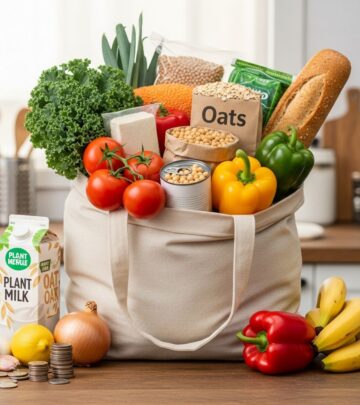
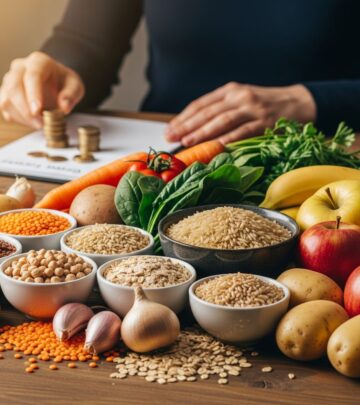
- Build meals around inexpensive staples: Create your menu with affordable base ingredients like beans, lentils, rice, oats, and seasonal vegetables as your foundation.
- Plan for leftovers: Intentionally prepare larger portions of dinner to repurpose into lunch the following day, reducing cooking time and ingredient duplication.
- Reference diverse cookbooks: Maintain a collection of cookbooks featuring plant-based cuisine to prevent meal monotony and inspire creative combinations.
- Track seasonal produce: Build meals around fruits and vegetables that are in season, which typically costs significantly less than out-of-season produce.
Smart Shopping Strategies
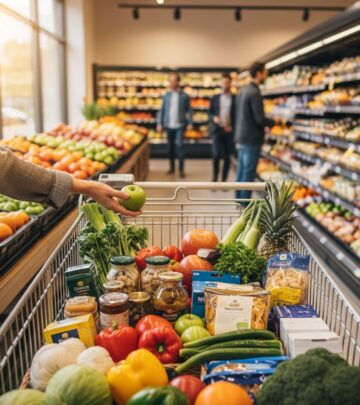
How and where you shop dramatically impacts the final cost of your mostly meatless diet. Implementing these shopping strategies can further enhance your savings:
- Shop farmers markets and CSA programs: Local farmers markets and Community Supported Agriculture (CSA) shares often offer better prices than traditional grocery stores due to lower overhead costs. You’ll also benefit from produce picked recently, ensuring superior flavor and nutritional quality.
- Compare unit prices: Always calculate the cost per pound or per serving rather than focusing on package prices. Bulk items often provide better value for staple ingredients.
- Embrace store brands: Private label plant-based products are frequently less expensive than name-brand alternatives while maintaining quality standards.
- Shop sales strategically: Plan your menu around items on sale rather than shopping from a fixed list, allowing you to take advantage of promotional pricing on proteins like beans, lentils, and meat alternatives.
- Buy in bulk: Purchase dried beans, lentils, grains, nuts, and seeds in bulk sections, which offer significant savings compared to pre-packaged options.
Building Your Affordable Vegan Pantry
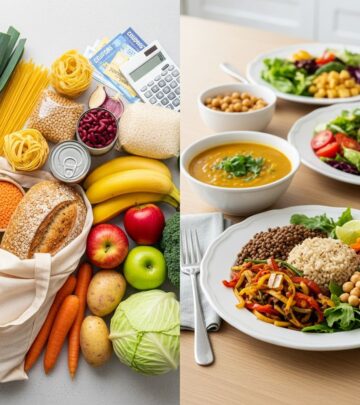
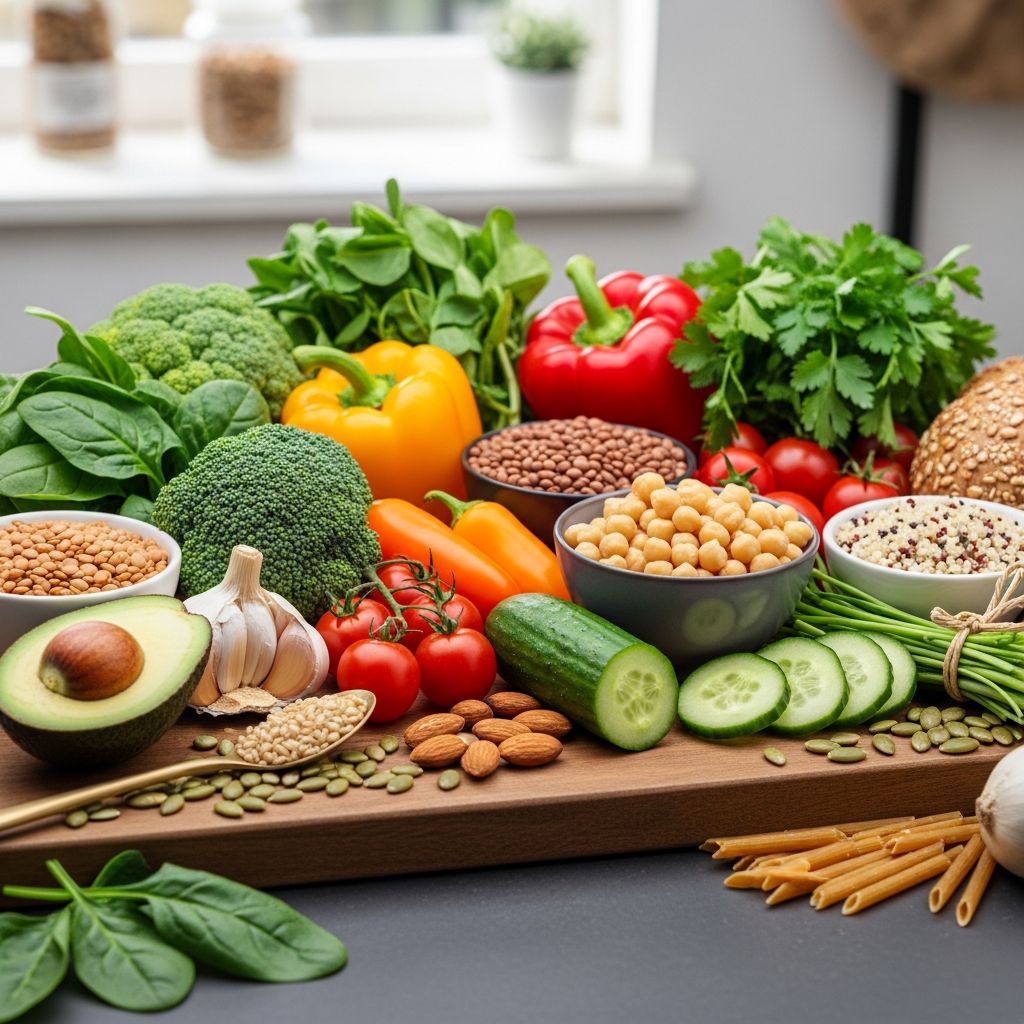
Establishing a well-stocked pantry of affordable plant-based staples eliminates the need for expensive specialty items and enables quick meal preparation. Essential budget-friendly vegan pantry items include:
- Dried beans and lentils (black beans, chickpeas, pinto beans, lentils)
- Whole grains (brown rice, quinoa, oats, barley, whole wheat pasta)
- Canned tomatoes and tomato paste
- Coconut milk
- Peanut butter and other nut butters
- Frozen vegetables and fruits
- Herbs and spices
- Vegetable broth
- Nuts and seeds
- Nutritional yeast
Food Preservation Techniques
Reducing food waste through proper preservation extends your grocery dollars further. Two accessible preservation methods that work well for plant-based ingredients include:
Freezing: This simple preservation method requires minimal equipment and expertise. You can freeze portions of prepared meals, bulk-cooked grains and beans, fresh herbs in ice cube trays, and surplus seasonal produce. Even those with limited freezer space can dedicate a small section to storing a week’s worth of prepared meals.
Canning: While requiring more upfront learning, home canning allows you to preserve seasonal produce at peak ripeness and flavor. Jams, sauces, and pickled vegetables can be prepared in bulk and stored for months.
Nutrition Considerations for a Mostly Meatless Diet
Transitioning to a mostly meatless diet requires attention to proper nutrition to ensure you maintain energy, health, and wellbeing. A well-planned plant-based diet with a variety of vegetables, grains, modest amounts of fruit, and legumes provides all necessary nutrients. Key nutritional considerations include:
- Protein: Ensure adequate protein intake through beans, lentils, tofu, tempeh, nuts, seeds, and whole grains. Combining different plant proteins throughout the day provides complete amino acids.
- Vitamin B12: Since B12 is primarily available from animal products, consider fortified plant milks, nutritional yeast, or supplements to prevent deficiency.
- Iron: Plant-based iron is less readily absorbed than iron from meat. Pair iron-rich plant foods like lentils and leafy greens with vitamin C sources to enhance absorption.
- Omega-3 fatty acids: Include flax seeds, chia seeds, walnuts, and hemp seeds regularly, or consider an algae-based supplement.
- Calcium: Fortified plant milks, tofu prepared with calcium sulfate, tahini, and leafy greens provide bioavailable calcium sources.
Affordable Plant-Based Protein Sources
High-quality protein doesn’t require meat. These budget-friendly plant-based proteins provide excellent nutritional value:
| Protein Source | Cost Efficiency | Protein Content (per cooked cup) | Best Uses |
|---|---|---|---|
| Dried beans | Very low ($0.30-0.50) | 15-18g | Soups, salads, spreads, curries |
| Lentils | Very low ($0.40-0.60) | 18g | Soups, grain bowls, meat substitutes |
| Chickpeas | Low ($0.50-0.70) | 15g | Hummus, curries, salads, roasted snacks |
| Tofu | Low ($1.50-2.50) | 20g | Stir-fries, smoothies, scrambles, baking |
| Peanut butter | Low ($0.30 per serving) | 8g | Sauces, smoothies, snacks, baking |
Recipe Ideas and Meal Examples
Getting started with meatless meals becomes easier with concrete examples. Here are budget-friendly meal ideas that cost just a few dollars per serving:
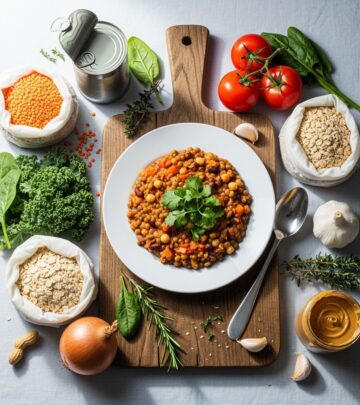
- Lentil and vegetable soup: Simmer lentils, diced onions, carrots, celery, and canned tomatoes with vegetable broth for a filling, protein-rich meal.
- Bean chili: Brown onions and add multiple varieties of beans, tomato sauce, spices, and optional vegetables like bell peppers and zucchini.
- Chickpea curry: Sauté onions and garlic, add curry powder and coconut milk, then stir in chickpeas and frozen spinach for an aromatic dish.
- Pasta and marinara: Combine whole wheat pasta with budget-friendly marinara sauce and add white beans or nutritional yeast for protein.
- Rice and bean bowls: Layer cooked brown rice, refried beans, salsa, shredded lettuce, and avocado for a customizable meal.
- Vegetable stir-fry: Combine seasonal vegetables with tofu or nuts and serve over rice with an inexpensive soy sauce-based sauce.
Addressing Common Concerns
Many people have legitimate questions about transitioning to a mostly meatless diet. Here are thoughtful responses to frequent concerns:
Will I feel satisfied without meat? Plant-based meals featuring adequate protein and healthy fats can be deeply satisfying. Beans, lentils, nuts, seeds, avocados, and whole grains provide the density and satiety associated with meat-based meals. When transitioning, focus on flavorful, satisfying recipes rather than attempting to replicate meat-based dishes.
Will my family resist the change? Involve family members in menu planning and cooking to increase buy-in. Highlight familiar foods prepared differently rather than introducing entirely foreign cuisines. Gradually incorporate meatless meals rather than eliminating meat overnight.
Are plant-based meat alternatives affordable? Whole plant foods like beans and lentils are significantly more affordable than processed meat alternatives. If budget is your primary concern, focus on whole ingredients rather than specialty products.
Frequently Asked Questions
Q: How much money can I actually save by going mostly meatless?
A: Research shows that a low-fat vegan diet saves approximately $1.80 per day, or more than $650 annually, compared to a standard diet with meat. Vegetarian diets can save more than $100 per month depending on current meat consumption levels.
Q: Do I need to go completely vegan to save money?
A: No. A “mostly meatless” approach that significantly reduces meat consumption can yield substantial savings while allowing flexibility and occasional meat consumption.
Q: Are plant-based diets nutritionally adequate?
A: Yes, when properly planned with adequate vegetables, grains, legumes, fruits, and attention to key nutrients like B12 and iron, plant-based diets provide complete nutrition.
Q: Can I maintain a mostly meatless diet on a tight budget?
A: Absolutely. Whole plant foods like beans, lentils, rice, seasonal vegetables, and frozen produce are among the most affordable foods available, making this approach ideal for tight budgets.
Q: How do I transition my family to eating less meat?
A: Start by incorporating meatless meals one or two nights per week, involve family in meal planning, use familiar ingredients and flavors, and gradually increase meatless options as family members discover favorites.
Q: What are the easiest plant-based proteins for beginners?
A: Dried beans, lentils, canned chickpeas, peanut butter, and tofu are the most accessible and affordable plant-based proteins for those new to meatless eating.
References
- Going vegan could save more than $650 a year in grocery costs — Physicians Committee for Responsible Medicine / EurekaAlert. 2024-11-18. https://www.eurekalert.org/news-releases/1065291
- A Plant-Based Diet Can Save Money At The Grocery Store, Study Shows — Plant Based News. 2024. https://plantbasednews.org/lifestyle/food/plant-based-diet-saves-money/
- Going Vegetarian Can Actually Save You Big Money At The Grocery Store — AOL. https://www.aol.com/articles/going-vegetarian-actually-save-big-212000154.html
- 25 Frugal Items for Your Organic Vegan Grocery List — Wise Bread. https://www.wisebread.com/25-frugal-items-for-your-organic-vegan-grocery-list
- Healthy, frugal eating — Wise Bread. https://www.wisebread.com/healthy-frugal-eating
Similar Articles








Read full bio of medha deb