11 Smart Ways to Save Money on College Textbooks
Master 11 proven strategies to slash textbook costs and keep more money in your pocket.
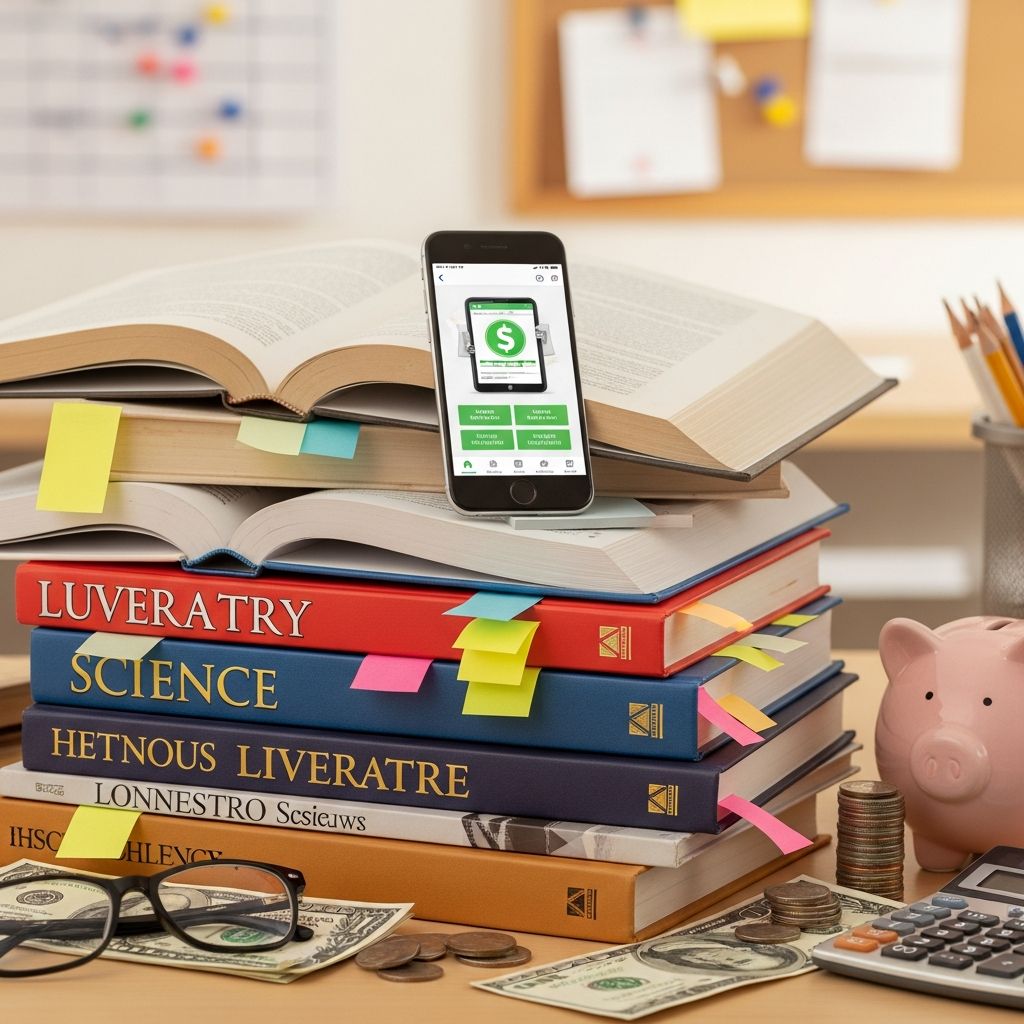
11 Smart Ways to Save Money on Your College Textbooks
College textbooks represent a significant financial burden for students across the nation. The cost of college textbooks increased by 7% from 2020 to 2023, and in the 2022-23 school year, the average cost of books and supplies for a first-year college student was $1,212. While tuition often dominates conversations about college affordability, the expense of required textbooks deserves equal attention. The good news is that numerous strategies can help you dramatically reduce what you spend on course materials without compromising your education quality. Whether you’re a freshman just starting your college journey or an upperclassman looking to optimize your budget, these eleven proven methods will help you keep more money in your pocket.
Understanding the Textbook Cost Crisis
Before diving into solutions, it’s important to understand why textbooks have become so expensive. Publishers frequently release new editions with minimal content changes, creating artificial demand for the latest versions. Additionally, bundled digital access codes and subscription requirements have added layers of complexity to the purchasing process. Understanding these market dynamics empowers you to make smarter purchasing decisions and identify the best savings opportunities available to you.
Key Strategies for Textbook Savings
1. Don’t Buy All Your Books Before Classes Start
One of the most important lessons every college student should learn is patience when purchasing textbooks. Many students make the mistake of buying all required materials during the first week of classes. However, instructors often don’t use every textbook they initially require, and you may change your course schedule during the add/drop period. By waiting until after classes have begun, you gain clarity about which books you actually need. Some bookstores may allow full-price returns on unused textbooks, though this isn’t guaranteed. This simple waiting strategy can save you hundreds of dollars per semester by preventing unnecessary purchases.
2. Share Textbooks With Classmates
The most affordable textbook costs nothing at all. Most colleges require students to take core-curriculum courses that are nearly identical across the student body, meaning your dormitory neighbors likely need the same textbooks you do. Borrowing from classmates is an excellent way to access materials without purchase. Even better, form a study group where multiple students share one or two sets of textbooks. As long as your group stays focused and productive, this collaborative approach maximizes resources while minimizing individual costs. This strategy works particularly well for required courses where textbook content remains consistent across different class sections.
3. Visit the Library
University libraries are invaluable resources that many students overlook. Most academic libraries maintain copies of frequently-assigned textbooks available for borrowing. These materials are free to access, though you may need to compete with other budget-conscious students for availability. To maximize this strategy, visit early in the semester when selection is best. One important consideration: you’ll need to take detailed notes since library loan periods may be shorter than your need for the material. Some libraries offer extended loan periods during final exam weeks, which can be particularly helpful for test preparation. This option is especially valuable for reference materials and supplementary texts that students only need occasionally.
4. Use Older Editions
Textbook publishers often make minimal changes between successive editions, particularly for humanities and social sciences courses. If you can access a previous edition, you could save more than 50% of the current edition’s price. Early editions frequently appear in used bookstores, garage sales, and online marketplaces at a fraction of the cost. To use this strategy safely, verify with your instructor that previous editions contain the same core content and numbering systems. Many students successfully complete courses using textbooks that are several years old, particularly in subjects where foundational knowledge doesn’t change rapidly. This approach requires some detective work but can yield substantial savings.
5. Rent Your Textbooks
Textbook rental has become increasingly popular and accessible. Major retailers including Chegg, Amazon, Valore, CampusBooks, and numerous others offer rental options that can save you up to 90% compared to purchase prices. Rental periods typically last a full semester, covering your entire course duration. This option is particularly valuable for textbooks you’ll only use once and don’t need to keep as professional references. When evaluating rental options, compare prices across multiple platforms since rates vary significantly. Be aware of rental agreement terms, including any penalties for damage or marking the book, and plan to return materials on time to avoid late fees.
6. Buy the Electronic Version
Digital textbooks offer substantial cost savings compared to physical copies. E-books are typically 40-60% cheaper than printed versions and eliminate the burden of carrying heavy textbooks between classes. Digital versions also enable searchability, allowing you to locate specific information faster than flipping through physical pages. The primary trade-off is the reading experience—some students find screens more challenging for extended reading sessions. However, you can reduce eye strain by adjusting display settings and taking regular breaks. Digital access also means your textbooks remain accessible on any device with internet connection, providing convenient studying anywhere, anytime.
7. Go Beyond the Campus Bookstore
Your campus bookstore likely charges the highest prices for textbooks. Expanding your shopping horizons to independent used bookstores, online marketplaces, and local community resources yields better deals. Used bookstores in college towns frequently stock textbooks from previous students, often at significantly reduced prices. Online platforms including eBay and Craigslist offer competitive pricing, while school-related Facebook groups connect students directly for potential purchases. Use online comparison tools like RedShelf to search prices across multiple retailers simultaneously, ensuring you secure the absolute best deal available. This comparative shopping approach requires more effort but typically results in 30-60% savings compared to campus bookstore prices.
8. Consider Digital Access Code Bundling
Many modern textbooks include digital access codes required for online homework, quizzes, and course platforms. Rather than purchasing expensive bundled new textbooks that include these codes, you can sometimes buy used physical textbooks and purchase access codes separately at lower cost. The Direct Textbook blog notes this strategy can generate significant savings. Additionally, if multiple courses use the same materials, subscription time frames lasting six to 12 months allow you to utilize one purchase across multiple classes. Before making this decision, carefully review your curriculum requirements and course schedule to identify overlapping materials. This strategic planning prevents redundant purchases and extends the value of your textbook investments.
9. Use Scholarship or Grant Money
Most educational scholarships and grants can be applied toward textbook purchases, not just tuition. Some organizations even offer textbook-specific scholarships dedicated solely to reducing course material costs. Before assuming you must pay from your personal funds, thoroughly review scholarship terms and conditions. Many scholarships provide flexibility in fund allocation, allowing students to direct money toward materials. If you receive financial aid designated for textbooks, ensure you maximize this opportunity by shopping strategically before spending personal resources. This approach allows you to preserve personal savings while fulfilling course material requirements.
10. Maximize Your Material Investment
When you must purchase textbooks, extract maximum value from your investment. Thoroughly examine your curriculum requirements and course schedule to identify materials used across multiple classes. Enrolling in courses utilizing the same textbooks during the same or adjacent semesters amplifies the value proposition. Since most subscriptions span six to 12 months, strategic enrollment planning prevents purchasing the same material multiple times. Take detailed notes and complete all practice problems, maximizing your understanding and retention. Resell textbooks after completing courses to recover a portion of your investment, particularly important for expensive materials.
11. Use the Open Textbook Library
The Open Textbook Library represents a revolutionary resource for cost-conscious students. This online repository houses peer-reviewed academic textbooks that are completely free to access. All materials are openly licensed and provide complete access to entire texts without any cost. The library covers numerous subjects including mathematics, sciences, business, humanities, and social sciences. These high-quality, professionally-developed textbooks meet rigorous academic standards while eliminating financial barriers. Simply search the library’s database for your course materials—you may find free alternatives to expensive commercial textbooks. This resource has expanded significantly in recent years, making it an increasingly viable option for students across all disciplines.
Practical Implementation Strategy
Implementing these strategies requires planning and intentionality. Begin by waiting until after classes start before purchasing anything. Simultaneously, check your library’s collection and search the Open Textbook Library for free alternatives. Contact classmates about sharing arrangements and investigate rental options across multiple platforms. Only after exhausting these cost-free or minimal-cost options should you consider purchasing used copies from independent sellers. By layering these strategies, you’ll significantly reduce textbook expenses throughout your college career.
Frequently Asked Questions
Q: Can I return textbooks purchased at the campus bookstore?
A: Most campus bookstores allow returns within a specific timeframe (usually 2-4 weeks) if books are unused and in original condition. However, policies vary by institution, so check your bookstore’s specific return policy. This is another reason to delay purchases until you’re certain you need the material.
Q: Are rental textbooks as durable as purchased copies?
A: Rental textbooks are durable enough for normal use during a semester. However, they come with strict guidelines against highlighting, writing, or extensive marking. If you’re someone who annotates heavily, purchasing used copies might be better despite slightly higher costs.
Q: How do I know if an older edition will work for my course?
A: Always ask your instructor directly. They can tell you whether content, page numbers, and problem sets match between editions. Many instructors are sympathetic to cost concerns and actively help students find alternatives.
Q: Can international students use the Open Textbook Library?
A: Yes, the Open Textbook Library is accessible worldwide with an internet connection. There are no geographical restrictions on accessing these free, openly-licensed materials.
Q: What’s the best time to buy used textbooks?
A: Prices are typically lowest about 3-4 weeks into the semester when previous students have already completed the course and are selling materials. Buying immediately after the course ends offers the best selection and pricing.
Q: Do digital textbooks have expiration dates?
A: Most digital versions remain accessible as long as your subscription is active, typically 6-12 months. After expiration, you lose access unless you renew. Check licensing terms before purchasing to understand access duration.
Moving Forward With Confidence
Textbook costs represent a manageable expense when you employ strategic purchasing approaches. By combining multiple methods—waiting until classes begin, borrowing from classmates, checking the library, exploring rental options, and searching for free alternatives—you can reduce your annual textbook expenses by $500 to $1,000 or more. The key is planning ahead, remaining flexible, and remembering that free or nearly-free options exist for most course materials. Start with these strategies in your next semester and watch your college budget transform dramatically.
References
- 11 Smart Ways to Save Money on Your College Textbooks — The Penny Hoarder. https://www.thepennyhoarder.com/save-money/save-money-on-college-textbooks/
- College May be Expensive, but Textbook Costs are Down — New Haven Register. https://www.nhregister.com/news/article/College-May-be-Expensive-but-Textbook-Costs-are-9149815.php
- For college students, it pays to learn savings basics — Times Union. https://www.timesunion.com/tuplus-features/article/For-college-students-it-pays-to-learn-savings-6431912.php
Similar Articles








Read full bio of medha deb