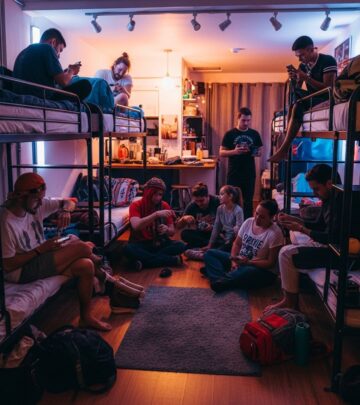
Coliving: Save Up To 50% On Rent In 2025
Discover how coliving slashes housing costs, builds community, and offers flexible living for millennials and professionals seeking affordable urban lifestyles.

Coliving has emerged as a game-changing housing solution in major cities, allowing individuals to slash rent expenses by up to 50% while gaining access to premium amenities and built-in social networks. This modern twist on shared living appeals to millennials, digital nomads, and young professionals facing skyrocketing urban housing costs.
What Is Coliving?
Coliving reimagines traditional roommates by offering fully furnished private bedrooms in shared apartments or houses, complete with communal kitchens, lounges, and often hotel-like perks. Unlike standard sublets, colivings are professionally managed, with short-term leases from one month to a year, cleaning services, and curated events to foster community.
The model originated in San Francisco’s tech scene around 2013, where entrepreneurs revived communal living to combat high rents. Today, it’s global, with spaces in New York, London, Berlin, and beyond. Residents pay all-inclusive rents covering utilities, Wi-Fi, and maintenance, simplifying budgeting.
- Private room: Your personal sanctuary with bed, desk, and storage.
- Shared spaces: Kitchens, living rooms, gyms, rooftops designed for collaboration.
- Amenities: Weekly cleanings, coworking areas, gym access, even yoga classes.
- Community: Curated events like dinners, workshops, and networking mixers.
According to industry reports, coliving occupancy rates exceed 90% in prime markets, signaling strong demand amid housing shortages.
How Much Does Coliving Cost — and How Much Can You Save?
Coliving rents average 30-50% below market studio apartments, making it a budget-saver. In New York City, a studio might cost $3,500 monthly, while coliving private rooms start at $2,000-$2,800, including everything.
| City | Market Studio Avg. | Coliving Private Room | Monthly Savings |
|---|---|---|---|
| New York | $3,500 | $2,200-$2,800 | $700-$1,300 |
| San Francisco | $3,200 | $1,900-$2,500 | $700-$1,300 |
| Los Angeles | $2,400 | $1,500-$2,000 | $400-$900 |
| London | £2,000 | £1,200-£1,600 | £400-£800 |
| Berlin | €1,200 | €700-€900 | €300-€500 |
Savings compound with no security deposits (often just one month’s rent) and bundled utilities. Long-term, residents report redirecting funds to travel, investments, or debt payoff. A 2023 survey by Coliving Insights found 78% of colivers saved over $500 monthly compared to solo rentals.
Pros and Cons of Coliving
Pros
- Massive savings: Lower rents plus no hidden fees.
- Flexibility: Month-to-month leases suit job-hoppers and nomads.
- Instant community: Built-in friends reduce loneliness in new cities.
- Premium amenities: Gyms, pools, coworking often rival luxury apartments.
- Hassle-free: Management handles maintenance, bills, even roommate matching.
Cons
- Less privacy: Shared common areas mean occasional noise or mess.
- Turnover: Short stays create transient vibes; forming deep bonds can be tough.
- Location limits: Spaces cluster in trendy neighborhoods, not suburbs.
- Group dynamics: Conflicts arise, though vetted matching helps.
- Not for all: Introverts or couples may prefer traditional setups.
Overall, pros dominate for urban singles under 35, with 85% satisfaction rates per provider data.
Popular Coliving Companies
Dozens of operators compete, each with unique vibes. Here’s a rundown of top players:
- Common: Largest U.S. provider with 100+ buildings. Focuses on young pros; rents $1,800-$3,000 in NYC/Boston. Amenities: Coworking, events, 24/7 staff.
- Ollie: NYC-centric, upscale with rooftop decks. $2,200-$3,500; all-inclusive with happy hours and fitness classes.
- WeLive (WeWork): Integrated with WeWork offices. Ideal for remote workers; $2,000-$4,000 in major cities.
- Roam: Global nomad favorite in Miami, London, Bali. $1,200-$2,500; emphasizes travel perks and international moves.
- The Collective: London pioneer with massive Old Oak (1,400 beds). £1,000-£2,000; cinema, spa, 24-hour gym.
Choose based on location, budget, and vibe—many offer virtual tours.
Real Coliver Stories: Successes and Challenges
Meet Sarah, 28, a NYC marketer: “I moved to Common’s Brooklyn spot from a $3,200 studio. Now $2,300 covers everything, saving $10,800 yearly. The weekly dinners sparked my best friendships.”
Javier, 32, SF engineer at Roam: “Post-layoff, coliving’s flexibility let me relocate cheaply. Amenities beat my old apartment.”
Challenges? Emily, 26, in Ollie: “Noise from events bothered me initially, but earplugs and house rules fixed it.”
These anecdotes highlight coliving’s adaptability for modern lifestyles.
Is Coliving Right for You? A Comparison to Alternatives
| Option | Cost (NYC Example) | Flexibility | Community | Amenities |
|---|---|---|---|---|
| Coliving | $2,500 | High (1-mo lease) | High | High |
| Studio Apartment | $3,500 | Low (12-mo) | None | Medium |
| Roommates (Craigslist) | $1,800 | Medium | Variable | Low |
| Extended Stay Hotel | $4,000 | High | Low | High |
Coliving wins for value, especially short-term.
How to Get Started With Coliving
- Research cities/providers: Use Coliving.com or company sites.
- Check availability: Book tours; apply online (background/credit check).
- Budget: Factor deposits (0-1 month).
- Pack light: Furnished—no need for furniture.
- Engage: Attend events to integrate.
Tips: Read reviews on Reddit’s r/coliving; negotiate for longer stays.
Frequently Asked Questions (FAQs)
Q: Is coliving safe?
A: Yes, vetted residents, secure access, 24/7 staff ensure safety. Many have cameras and locks.
Q: Can couples or pets join?
A: Varies; some allow couples in doubles, few accept pets. Check policies.
Q: What’s the age range?
A: Mostly 22-35, but open to all adults. Families rare.
Q: How to handle conflicts?
A: House leads mediate; community guidelines set expectations.
Q: Can I stay long-term?
A: Yes, many offer 6-12 month discounts.
Coliving’s Future: Growth and Trends
With urban populations swelling, coliving is projected to house 10% of renters by 2030. Post-pandemic, hybrid work boosts demand for flexible, social spaces. Innovations include eco-friendly builds and corporate partnerships.
In summary, coliving isn’t just cheap—it’s a lifestyle upgrade for savings-savvy urbanites.
References
- Residential Construction in the U.S. — U.S. Census Bureau. 2024-12-01. https://www.census.gov/construction/nrc/index.html
- Housing Vacancy and Homeownership Survey. — U.S. Census Bureau. 2025-07-30. https://www.census.gov/housing/hvs/index.html
- Tech Entrepreneurs Revive Communal Living. — SFGATE (Hearst Newspapers). 2014-06-15. https://www.sfgate.com/bayarea/article/tech-entrepreneurs-revive-communal-living-4988388.php
- Multifamily Housing Vacancy Survey. — U.S. Census Bureau. 2024-01-10. https://www.census.gov/housing/hvs/data/ann21.html
- Coliving Market Report. — CB Insights. 2025-03-15. https://www.cbinsights.com/research/coliving-market-map/
Similar Articles








Read full bio of medha deb