Save Money On Food By Buying Ugly Produce
Discover how buying imperfect fruits and vegetables can reduce food waste and cut your grocery bills by up to 30%.
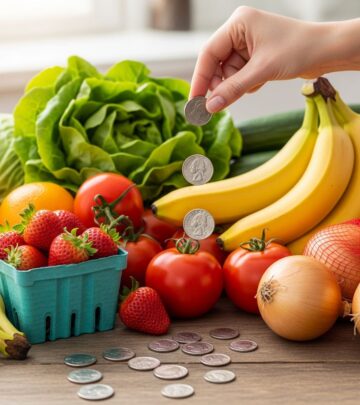
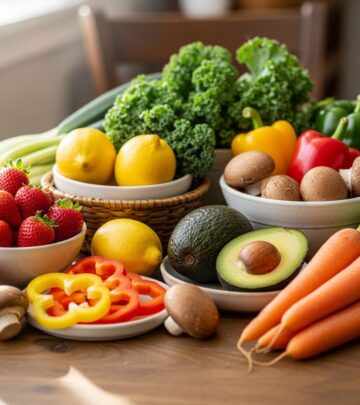
Fresh produce is essential for a healthy diet. The American Heart Association recommends that we consume four to five servings of fresh produce daily. However, rising grocery store prices and the growing problem of food waste create a real challenge for budget-conscious shoppers who want to eat nutritiously without breaking the bank. The solution is simpler than you might think: buy ugly produce.
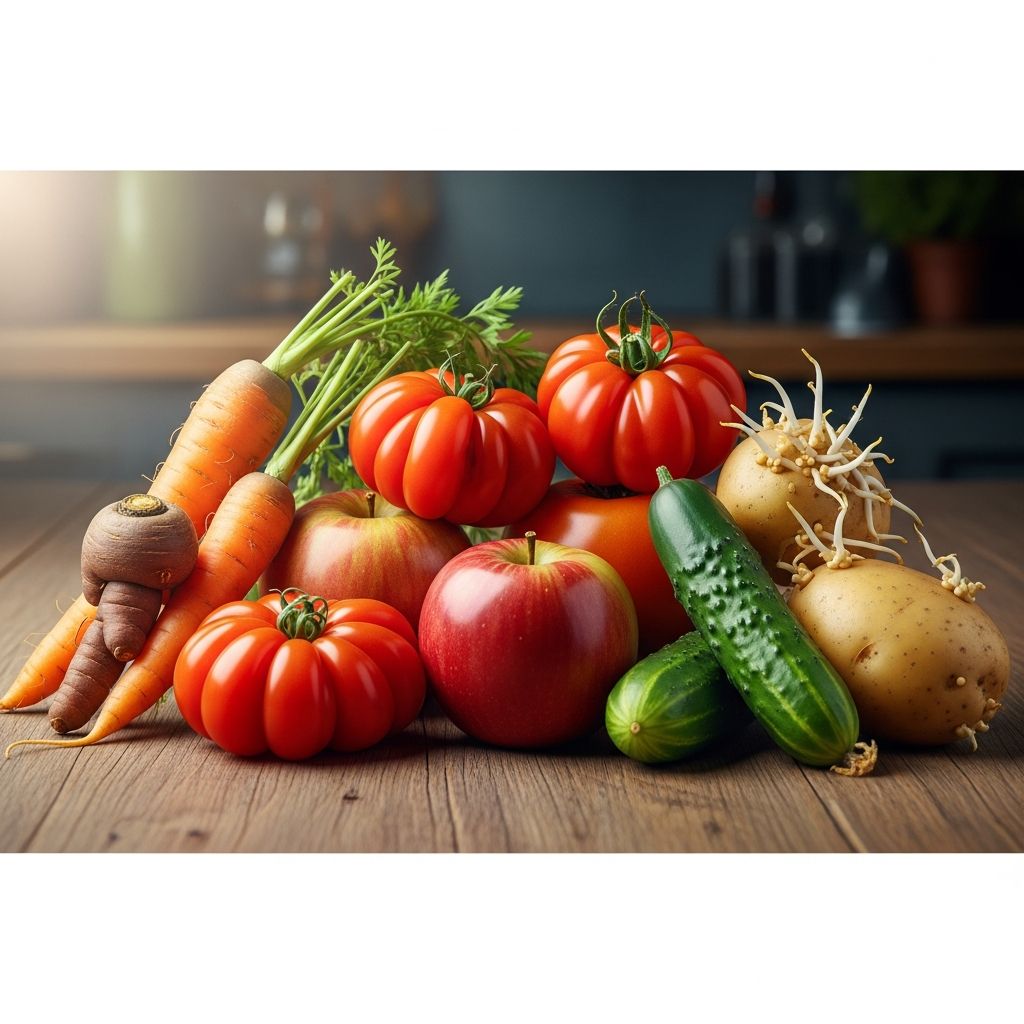
Ugly produce—also known as misfit or imperfect produce—refers to fruits and vegetables that don’t match the cosmetic standards we’ve come to expect from grocery stores. These items have unusual shapes, minor blemishes, or other aesthetic imperfections that have nothing to do with their nutritional value or taste. By choosing these less-than-perfect options, you can reduce food waste, support a more sustainable food system, and save up to 30% or more compared to traditional grocery store produce.
Change Your Idea of Good Produce
Our relationship with produce has become overly focused on appearance. We skip over cratered potatoes and packages of strawberries with misshapen berries in favor of visually perfect options. We choose baby carrots for snacking instead of average-sized ones simply because they look more appealing. This aesthetic preference is deeply ingrained in our shopping habits, but it’s costing us money and contributing to massive amounts of food waste.
The reality is that appearance has nothing to do with quality, nutrition, or taste. According to Linda Ly, founder of Garden Betty, “If it’s ugly and imperfect just because the shape is weird, it’s still fully edible. You just remedy that by chopping it up like you would anyway when you cook.” When you’re preparing a salad with shredded carrots, slicing tomatoes for a stew, or blending fruits for a smoothie, the original shape of the produce becomes irrelevant.
Understanding Common Produce Issues
Several types of imperfections appear on rejected produce, and understanding them can help you feel confident about your purchases:
- Bruises and surface blemishes: These are purely cosmetic and can be easily cut away. The rest of the vegetable or fruit remains completely fine and usable.
- Unusual shapes: Misshapen tomatoes, oddly curved cucumbers, or oversized eggplants are just as nutritious as their perfectly symmetrical counterparts and often have more flavor.
- Wilted greens: These can be revived by soaking in a bowl of ice water for about 20 minutes. This cold water trick also works for vegetables like celery and radishes that are going soft.
- Soft spots on vegetables: Similar to wilted greens, slightly soft celery and radishes can be restored to crispness with the ice water revival method. Wilted greens can also be chopped and added to soups.
Understanding these issues empowers you to look past the surface imperfections and recognize the value in these products. Produce that appears “ugly” is nutritionally identical to its perfect-looking counterparts, and the only real difference is the potential impact on your grocery bill—which is significantly lower.
What Is Ugly Produce?
Ugly produce encompasses fruits and vegetables that don’t conform to the strict cosmetic standards of conventional retail markets. These products are rejected not because of any quality issue, but purely because of their appearance. They might have odd shapes, minor blemishes, discoloration, or size variations that don’t match the uniform appearance shoppers have been conditioned to expect.
The critical point to understand is that ugly produce is just as nutritious as visually perfect produce. There is no difference in vitamins, minerals, fiber, or any other nutritional component. The only substantive difference is the price tag—and that’s a significant advantage for your wallet.
Why Food Systems Reject Imperfect Produce
Most grocery stores reject imperfect produce because consumer shopping patterns have created artificial demand for cosmetically perfect items. Shoppers often pass over blemished or misshapen produce, which means retailers would face losses if they stocked these items at full price. This creates a vicious cycle where appearance standards become ingrained in our food system, leading to enormous amounts of waste.
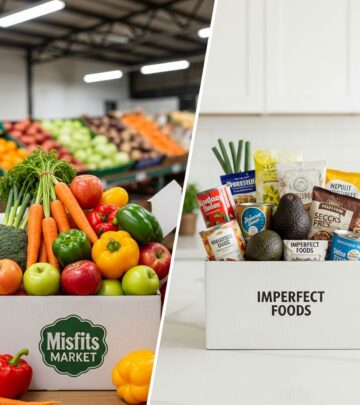
Subscription box companies like Imperfect Foods, Misfits Market, and Hungry Harvest were founded specifically to address this inefficiency. Misfits Market, for example, was founded in 2018 as an ugly produce delivery company committed to fighting food waste by finding inefficiencies in the food supply chain. These companies work with farms and distributors to capture produce that would otherwise be discarded simply for not meeting arbitrary appearance standards.
Where to Buy Ugly Produce
There are multiple options for purchasing imperfect fruits and vegetables, each with its own advantages. Understanding your local options allows you to choose the method that works best for your lifestyle and budget.
Ugly Produce Subscription Boxes
Subscription box services have become increasingly popular for purchasing ugly produce. These companies typically offer weekly or bi-weekly deliveries of seasonal fruits and vegetables directly to your doorstep. The three major companies dominating the ugly produce subscription box market are Imperfect Foods, Misfits Market, and Hungry Harvest.
The advantages of subscription services include:
- Convenience of home delivery
- Consistent savings of 30% or more compared to traditional grocery store prices
- Seasonal produce selections
- Predictable costs with flexible subscription options
- Support for food waste reduction
While critics argue that profit-based solutions to food waste can sometimes fall short of their goals, these services do provide tangible benefits to consumers. Some companies, like The Fruit Guys, even donate imperfect products to food banks, multiplying the positive impact beyond individual households.
Local Farmers Markets
Local farmers markets offer another excellent option for purchasing ugly produce at discount prices. You’ll typically save money when you buy produce directly from local growers because they don’t have the marketing and overhead costs that grocery stores carry. Additionally, local farmers don’t have to adhere to the strict appearance standards that traditional retailers enforce, which means they might regularly offer misshapen tomatoes, oversized eggplants, or other imperfect items.
Shopping at farmers markets also provides benefits beyond price savings:
- Direct contact with producers who can explain how items were grown
- Fresher produce since it hasn’t traveled long distances
- Support for local agriculture and small businesses
- Access to unique or heirloom varieties
- Greater flexibility in discussing imperfect produce pricing
Traditional Grocery Stores
Your local grocery store may be another place where you can find less-than-ideal produce at discount prices. Many retailers mark down produce that has minor imperfections, selling these items at reduced prices to move inventory before it spoils. This is actually a smart business practice that benefits consumers.
If you don’t see marked-down ugly produce at your local store, consider talking to management about what they do with rejected produce. Some stores sell imperfect items to individual consumers for less, while others sell them at a discount to local food banks and pantries. Management might be willing to set aside imperfect produce for you or create a dedicated discount section if there’s customer interest.
The Economics of Eating Ugly Produce
Understanding the financial benefits of choosing ugly produce helps motivate the shift from our traditional shopping patterns. Shopping patterns in recent years have shown that consumers can save substantially by embracing imperfect fruits and vegetables.
| Comparison Factor | Perfect Produce (Grocery Store) | Ugly Produce (Subscription/Market) | Potential Savings |
|---|---|---|---|
| Apples per pound | $1.99–$2.49 | $0.99–$1.49 | 40–50% |
| Tomatoes per pound | $2.49–$3.99 | $1.49–$1.99 | 40–62% |
| Subscription box (seasonal mix) | N/A | $10–$15 for 5–8 items | 30%+ vs. typical grocery prices |
| Farmers market produce | $1.50–$3.00 per item | $0.75–$1.50 per item | 40–50% |
These savings compound over time. A family that spends $150 per month on produce could reduce that to $105 by switching to ugly produce options—saving $45 monthly or $540 annually. For a household focused on fresh, nutritious eating on a budget, this is a meaningful difference.
Fighting Food Waste While Saving Money
Beyond personal savings, choosing ugly produce addresses a critical environmental issue. Approximately one-third of food produced globally is wasted, with a significant portion being perfectly good produce rejected solely for cosmetic reasons. By purchasing these items, you’re directly reducing waste and supporting a more efficient food system.
Food waste represents wasted money at every level—from the farmer who can’t sell the crop, to the consumer who throws away spoiled produce they purchased but didn’t use. By buying ugly produce and consuming it promptly, you’re breaking this cycle. Additionally, the reduced demand for perfectly cosmetic produce sends a market signal that there’s consumer appetite for imperfect but nutritious items, potentially encouraging retailers and distributors to waste less in the future.
Tips for Making the Most of Your Ugly Produce Purchase
To maximize both your savings and your satisfaction with ugly produce, consider these practical strategies:
- Embrace meal planning: Know what you’ll prepare before your delivery arrives, so you use items while they’re fresh.
- Store strategically: Learn proper storage techniques for different produce types to extend shelf life.
- Use everything: Save vegetable scraps for broths, blend overripe fruit into smoothies, and use greens that would normally be discarded.
- Prepare in advance: Wash, chop, and store produce when it arrives so it’s ready for quick meals during busy weeks.
- Freeze extras: If you have more than you can use, freeze berries, tomatoes, or other produce for later use in cooked dishes.
- Combine sources: Use subscription boxes for staples and supplement with farmers market finds for variety.
Frequently Asked Questions About Ugly Produce
Q: Why is it called “ugly” produce?
A: It’s called ugly produce because it doesn’t look perfect. These are imperfect fruits and vegetables that are equally nutritious as more flawless options but sometimes get passed by at the store or farmers markets. Our food system has built-in expectations about how produce should look, which results in this terminology for items that don’t match those arbitrary standards.
Q: Is ugly produce less nutritious than perfect-looking produce?
A: No. Ugly produce is just as nutritious as cosmetically perfect produce. There is no difference in vitamins, minerals, fiber, or any other nutritional component. The only difference is appearance, which has no bearing on health value or taste.
Q: How much can I save by buying ugly produce?
A: You can typically save 30% or more compared to traditional grocery store produce prices. Some items, like tomatoes or apples, can see savings of 40–50% or higher at farmers markets and through subscription services.
Q: What do grocery stores do with produce they don’t sell?
A: Some stores sell imperfect produce to individual consumers at a discount. Others sell it to local food banks and pantries at reduced rates. Some unfortunate instances result in waste. If your local store doesn’t have a discount section for imperfect produce, asking management about their practices might open opportunities for you to purchase rejected produce at better prices.
Q: Why should I eat ugly produce?
A: There are two main reasons to eat ugly produce. First, by purchasing less-than-perfect-looking produce or signing up for an ugly fruit subscription box, you help reduce food waste and address issues with the current food system. Second, and equally important, you can save money on nutritious, fresh produce while doing so. It’s a win-win for your wallet and the environment.
Q: How do I know if ugly produce is safe to eat?
A: Ugly produce undergoes the same quality and safety standards as perfect-looking produce. Bruises and blemishes are purely cosmetic and can be cut away. If produce shows signs of mold, rot, or an off smell, those should be avoided—but this applies equally to perfect and imperfect produce.
Q: Are subscription services for ugly produce worth the membership cost?
A: For most households, yes. The savings of 30% or more compared to traditional grocery store prices typically offset any membership costs within a few deliveries. Additionally, the convenience of home delivery and the environmental benefits make these services valuable for many consumers.
References
- Save Money On Food By Buying Ugly Produce — The Penny Hoarder. 2024. https://www.thepennyhoarder.com/save-money/ugly-produce/
- How to Save Money on Produce With These Simple Tips — The Penny Hoarder. 2024. https://www.thepennyhoarder.com/save-money/how-to-save-money-on-produce/
- Diet and Health Recommendations — American Heart Association. https://www.heart.org/
- United States Environmental Protection Agency — EPA Environmental Protection Information. https://www.epa.gov/
Similar Articles








Read full bio of Sneha Tete