How to Dye Your Own Hair From a Box (but Look Like You Paid a Pro)
Master box dye at home for salon-quality results without the hefty price tag—proven tips from a 20-year DIY expert.
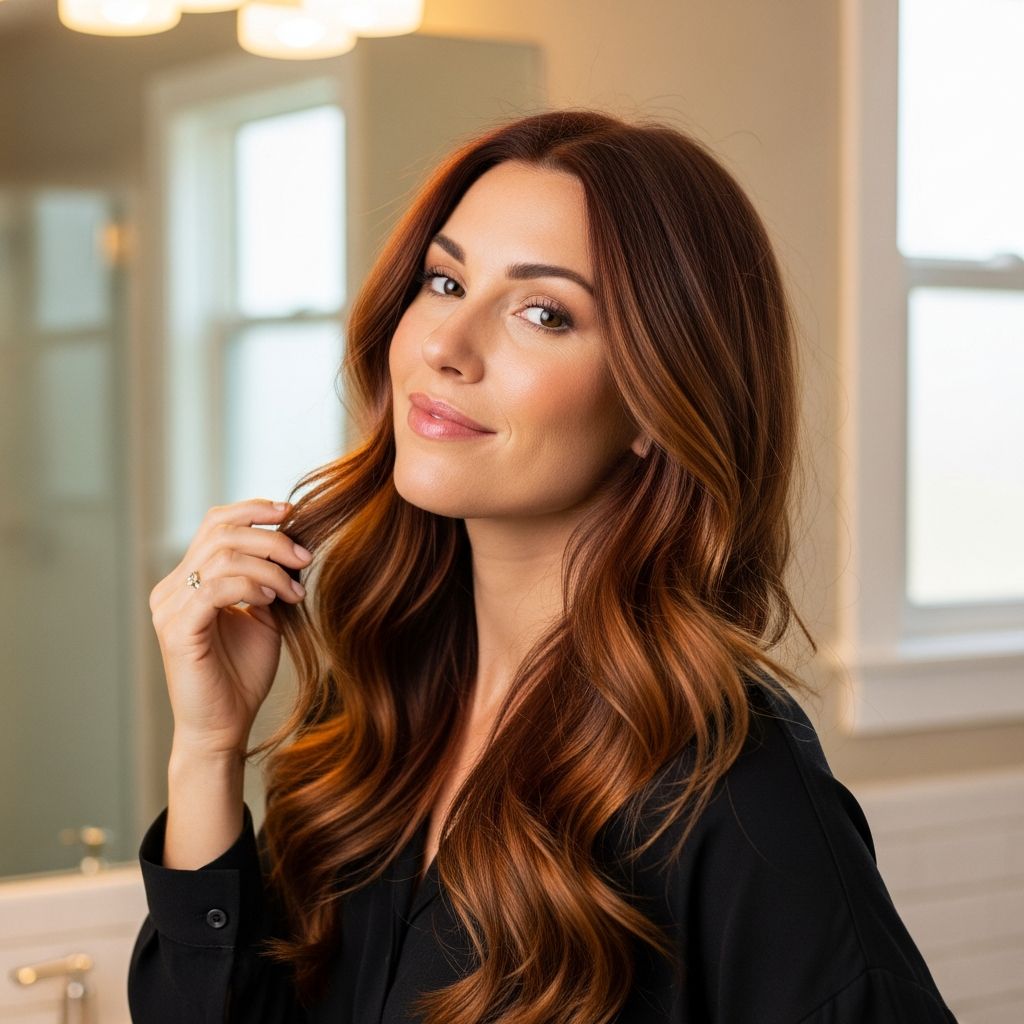
Coloring your hair at home with box dye is one of the smartest ways to save money without sacrificing quality. Salon visits can cost $100 to $200 or more per session, but a box of dye runs just $5 to $15. I’ve been doing my own hair for over 20 years, and professionals have even complimented its healthiness. The secret? Following precise techniques that mimic pro methods. This guide covers everything from color selection to post-dye care, ensuring even, vibrant results that last.
Whether you’re refreshing your natural shade or going darker, box dye works best for subtle changes. For drastic lightening, like platinum blonde, stick to salons to avoid damage. With the right approach, you can achieve salon-worthy hair in your bathroom—and pocket the savings for other priorities.
1. Choose Your Color Carefully
The foundation of a great dye job starts with the right shade selection. Going too far from your current color risks uneven results or brassiness. If your hair is close to the target shade, box dye delivers reliably. For example, brunettes can easily go to chestnut or black at home, but jumping from dark brown to honey blonde often needs professional bleaching.
Don’t rely on the model’s photo on the box—lighting and editing make it unrealistic. Instead, study the
color chart
on the packaging. These charts show outcomes based on starting colors like “dark blonde” or “light brown.” If your exact base shade isn’t listed, skip that box and find one that matches.- Tip for dark shades: Box dyes excel here since no lift is required.
- Avoid for: Highlights, balayage, or multi-tone effects—these demand salon precision.
- Test strand first: Always do a strand test with a small section to preview the result.
Brands like Clairol, Garnier, or L’Oréal offer reliable charts. Popular picks include Natural Instincts for semi-permanent options or Preference for longer-lasting color. Choosing wisely prevents regrets and extra costs from fixes.
2. Use a Bowl and Brush When You Apply
Skip the squeeze bottle—it’s prone to globs and patchiness. Pros use bowls and brushes for even saturation, and you can too. This method ensures every strand gets coated uniformly, yielding a seamless, salon-like finish.
Head to a beauty supply store for an
application brush
($2–$5) and amixing bowl
(or repurpose a plastic container dedicated to dye). Mix the color per instructions, then section your hair into four parts: top, sides, and back. Apply from roots to ends with the brush, working quickly but thoroughly.| Method | Pros | Cons |
|---|---|---|
| Bottle Nozzle | Convenient, no tools needed | Uneven, patchy application |
| Bowl + Brush | Precise, even coverage | Requires cheap tools |
This upgrade costs pennies but transforms results. I’ve ruined looks with bottles before learning this—don’t repeat my mistake.
3. Make Sure You Have Enough Product
One box suits short, fine hair, but thick or long locks demand more. My bra-strap-length, thick hair requires two boxes; with just one, I once ended up patchy and had to redo it. For bob-length, one suffices.
- Short/fine hair: 1 box
- Medium: 1–2 boxes
- Thick/long: 2–3 boxes
Buy extra upfront—it’s cheaper than emergency trips mid-process. Double gloves are key: one pair for applying, another for rinsing to avoid stained hands.
4. Have Your Supplies Ready
Prep prevents mess and stress. Gather
old towels
(dark ones hide stains),gloves
(extras from boxes),timer
,wide-tooth comb
, andpetroleum jelly
for your hairline to block skin stains.Work in a bathroom with good ventilation. Cover surfaces with newspaper or plastic. Keep a damp cloth nearby for splatters—they dry fast and stain permanently (I’ve repainted walls from one slip).
Section hair with clips for control. Start at the roots (they process slower), then mids and ends. This timing trick ensures even lift.
5. Massage It In
After mixing, don’t just slather—massage. Pre-wet hair slightly if it’s dry, then work dye like shampoo. This distributes evenly and activates color fully.
In the shower post-timer, massage again with any leftover dye. It blends roots and lengths seamlessly. Avoid rushing; spend 2–3 minutes for pro evenness.
6. Rinse Well
Rinsing is crucial for vibrancy and scalp health. Wet hair lightly, massage out dye, then shampoo to remove residue. This minimizes towel/clothes staining (though some transfer happens—wash immediately).
Apply the included
conditioner generously
. Leave on 3–5 minutes to seal cuticles, lock color, and soften strands. Rinse cool to close cuticles further, enhancing shine and longevity.7. Leave It Alone
Color fades with washing, especially reds. Wash every 2–3 days max. Use dry shampoo, blow-dry sweat post-workout, or tie up greasy days. Sulfate-free shampoos extend life.
- Blondes: Use purple shampoo weekly to combat brass.
- Dark shades: Cool water rinses preserve depth.
- Touch-ups: Roots every 4–6 weeks.
This habit alone doubles dye duration, maximizing savings.
Frequently Asked Questions (FAQs)
Can box dye damage my hair?
Less than salon if done right—conditioner protects. Limit to every 6–8 weeks; use masks weekly.
What’s best for gray coverage?
Permanent dyes like Clairol Loving Care excel; choose ash tones to blend.
How to fix patchy dye?
Tone with semi-permanent or consult pro. Prevention beats cure.
Box dye vs. salon: cost savings?
Save $150+ per session. Pros for complex jobs only.
Does box dye work on highlighted hair?
Tricky—darker shades may take, but lift risks green tones. Test first.
Bonus Tips for Long-Lasting, Pro Results
Beyond basics: Clarify hair pre-dye for better uptake. Avoid heat styling first 48 hours. Sleep on silk pillowcases to reduce friction fade.
For thick hair, mix boxes simultaneously. Virtual color try-on apps (from brands) preview shades digitally.
Hair dye transforms without salon bills. These tips ensure cheap doesn’t mean cheesy—enjoy pro looks at home!
References
- Hair Cosmetics: An Overview — International Journal of Trichology (PubMed Central). 2015-01-01. https://www.ncbi.nlm.nih.gov/pmc/articles/PMC4387693/
- Hair Dye Ingredients and Safety — U.S. Food and Drug Administration (FDA). 2024-06-15. https://www.fda.gov/cosmetics/cosmetic-products/hair-dyes
- At-Home Hair Coloring Best Practices — American Academy of Dermatology Association. 2023-11-20. https://www.aad.org/public/everyday-care/hair-scalp-care/hair/healthy-hair-tips
- Color Fade Prevention in Dyed Hair — Journal of Cosmetic Dermatology. 2022-05-10. https://doi.org/10.1111/jocd.14567
- Safety Guidelines for Home Hair Treatments — Occupational Safety and Health Administration (OSHA). 2024-03-01. https://www.osha.gov/hair-salons
Similar Articles








Read full bio of medha deb