Romance Scams: 4 Common Types And How To Protect Yourself
Protect your heart and wallet from romance scams with essential tips, red flags, and real recovery stories to stay safe online.

Romance scams exploit loneliness and the desire for connection, costing Americans billions annually. In 2023, reported losses exceeded $1.4 billion, with median victim losses over $2,000 per person. These frauds, often starting on dating apps or social media, have surged with AI tools making them more convincing. This guide covers how they operate, red flags, prevention tips, recovery steps, and real stories to help you save money and heartbreak.
What Are Romance Scams?
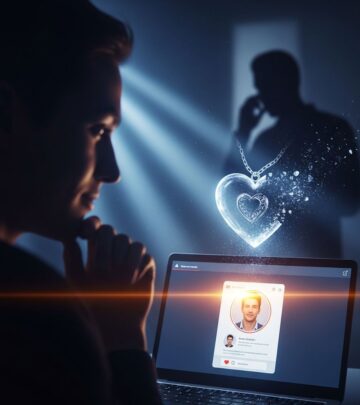
Romance scams, also known as romance fraud or catfishing, involve scammers creating fake online personas to build emotional bonds with victims. They manipulate trust to extract money, often through fabricated emergencies. Scammers target dating sites, social media like Facebook or Instagram, and even gaming platforms. Once trust is gained, they invent crises like medical bills, travel issues, or investment opportunities to solicit funds via untraceable methods like gift cards, wire transfers, or cryptocurrency.
These scams affect all demographics but prey on the vulnerable, including those recently divorced, widowed, or isolated—especially post-COVID when loneliness peaked. Both men and women fall victim; a 2024 survey found 53% of male and 47% of female U.S. online dating users reported being scammed. Losses have skyrocketed: from $547 million in 2021 (an 80% jump from 2020) to $1.14 billion in 2023, with projections worsening due to AI like LoveGPT automating personalized scams.
How Do Romance Scams Work?
Scammers follow a calculated playbook:
- Profile Creation: Fake accounts use stolen photos of attractive people, often military personnel, doctors, or professionals abroad. Profiles claim high-status jobs to appeal emotionally.
- Building Rapport: Quick professions of love, shared interests, and constant messaging foster attachment. They avoid video calls with excuses like poor internet or security concerns.
- Isolation: They discourage discussing the relationship with friends or family, sowing doubt about outsiders.
- The Ask: A crisis emerges—family illness, arrest, or business deal needing funds. Initial requests are small, escalating as trust deepens.
- Payment Demands: Insist on irreversible methods: gift cards (most common in 2021), crypto, wires. Victims send multiple transfers to new accounts.
AI advancements like LoveGPT supercharge this: it generates tailored messages, fake profiles, and even deepfakes for multiple targets simultaneously, increasing efficiency and realism.
Romance Scam Statistics: The Alarming Rise
Reported losses ballooned from $300 million in 2020 to $4.5 billion by 2024—a 1,500% increase. Key stats:
| Year | Reported Losses (U.S.) | Key Notes |
|---|---|---|
| 2021 | $547 million | 80% increase from 2020; gift cards top payment. |
| 2022 | $1.3 billion | 70,000 reports. |
| 2023 | $1.14B–$1.4B | Median loss $2,000; 40% start on social media. |
| 2024 | Escalating | 1,193 new scam entities detected globally (6-year high). |
| 2025 Q1 | 20% rise YoY | Barclays data. |
Social media initiates 40% of scams; sextortion (romance-linked) rose 150% in 2023. Underreporting means true figures are higher; victims often suffer emotional trauma linked to suicides.
Red Flags of Romance Scams
Spot these warning signs early:
- Too Good to Be True: Overly perfect profile, rapid love declarations (love-bombing).
- Avoids Verification: Dodges video chats, meetings, or sharing real-time photos. Claims to be in dangerous jobs/locations.
- Sob Stories: Tragic backstory (widowed, deployed soldier, imprisoned abroad) followed by money pleas.
- Payment Pressure: Urges secrecy, quick irreversible transfers, or buying gift cards/crypto.
- Inconsistent Details: Story changes, poor grammar in non-native speakers (common from Nigeria, 14% of profiles).
- Multiple Recipients: Shifting bank details or new ‘helpers’.
Less tech-savvy users and those in life transitions are prime targets.
4 Common Types of Romance Scams
- Military Romance: Poses as service member needing funds for leave or gear. Exploits patriotism.
- Investment Scam Hybrid: Promises shared riches via crypto/business, blending romance with greed.
- Sextortion: Builds intimacy, then blackmails with explicit photos/videos. Up 150% in 2023.
- Emergency Fraud: Fake crises like hospital bills or arrests; most common payout trigger.
How to Protect Yourself from Romance Scams
Stay vigilant with these strategies:
- Verify Identity: Reverse-image search photos (Google/TinEye). Insist on live video calls early.
- Never Send Money: No real relationship demands funds from strangers. Block and report requests.
- Use Secure Platforms: Stick to reputable dating apps with verification. Limit social media friend adds.
- Discuss with Trusted People: Share details with friends/family for outside perspective.
- Secure Payments: Avoid gift cards, crypto, wires for ‘friends’. Use credit cards for disputes.
- Monitor Accounts: Watch for unusual transactions; enable bank alerts.
Banks use federated learning to detect patterns like multiple new transfers.
What to Do If You’ve Been Scammed
- Stop Contact: Block the scammer everywhere; cease all payments.
- Report Immediately: FTC (reportfraud.ftc.gov), FBI (ic3.gov), local police. Provide all evidence.
- Contact Financial Institutions: Banks may reverse wires (quick action key); dispute gift cards minimally.
- Freeze Credit: Protect against identity theft via Equifax/TransUnion.
- Seek Support: Counseling for emotional recovery; groups like AARP Fraud Watch.
Recovery varies; crypto/gift cards rarely retrievable, but reporting aids investigations.
Real-Life Romance Scam Stories
Meet Sarah (name changed), 55, widowed: Met ‘Dr. James’ on Facebook. After months of calls, he needed $5,000 for ‘surgery equipment’. She sent via gift cards, losing $22,000 total before friends intervened. ‘It felt real,’ she says. Reported to FTC; partial bank recovery.
John, 62, divorced: Targeted on Tinder by ‘investment whiz’. Wired $15,000 for ‘crypto deal’. Median loss aligns; he now warns others.
These stories highlight emotional devastation alongside finances.
Frequently Asked Questions (FAQs)
What is the most common payment method in romance scams?
Gift cards topped 2021 reports, followed by costly cryptocurrency.
Who do romance scammers target most?
Men (53%) slightly more than women (47%) per 2024 surveys; vulnerable life stages increase risk.
Can you get money back from a romance scam?
Possible with wires/credit cards if reported fast; gift cards/crypto usually not.
How has AI changed romance scams?
Tools like LoveGPT automate convincing, personalized interactions across platforms.
Where do most romance scams start?
40% on social media; dating apps second.
References
- Romance Scams Are Now the #1 Scam in America — YouTube/FBI Warnings. 2025. https://www.youtube.com/watch?v=UczYIoaXP4E
- What to Know About Romance Scams — Federal Trade Commission. 2022-08-25. https://consumer.ftc.gov/articles/what-know-about-romance-scams
- What Are Romance Scams | How to Detect Romance Fraud — Feedzai. 2025. https://www.feedzai.com/blog/romance-scams/
- Swipe Left on Fraud Risk: Detecting and Deterring Romance Scams — Moody’s. 2024. https://www.moodys.com/web/en/us/kyc/resources/insights/swipe-left-on-fraud-risk-detecting-and-deterring-romance-scams.html
- U.S. Dating Service Users on Scams by Gender 2024 — Statista. 2024-02. https://www.statista.com/statistics/1481218/us-online-dating-service-users-scams-by-gender/
- Swipe Left on Romance Scams — Visa Corporate. 2025. https://corporate.visa.com/en/sites/visa-perspectives/security-trust/romance-scams-2025.html
Similar Articles








Read full bio of medha deb