Save Money At The Airport: 12 Smart Tips For Travelers
Discover proven strategies to cut costs on parking, food, baggage, and more during your next airport visit.
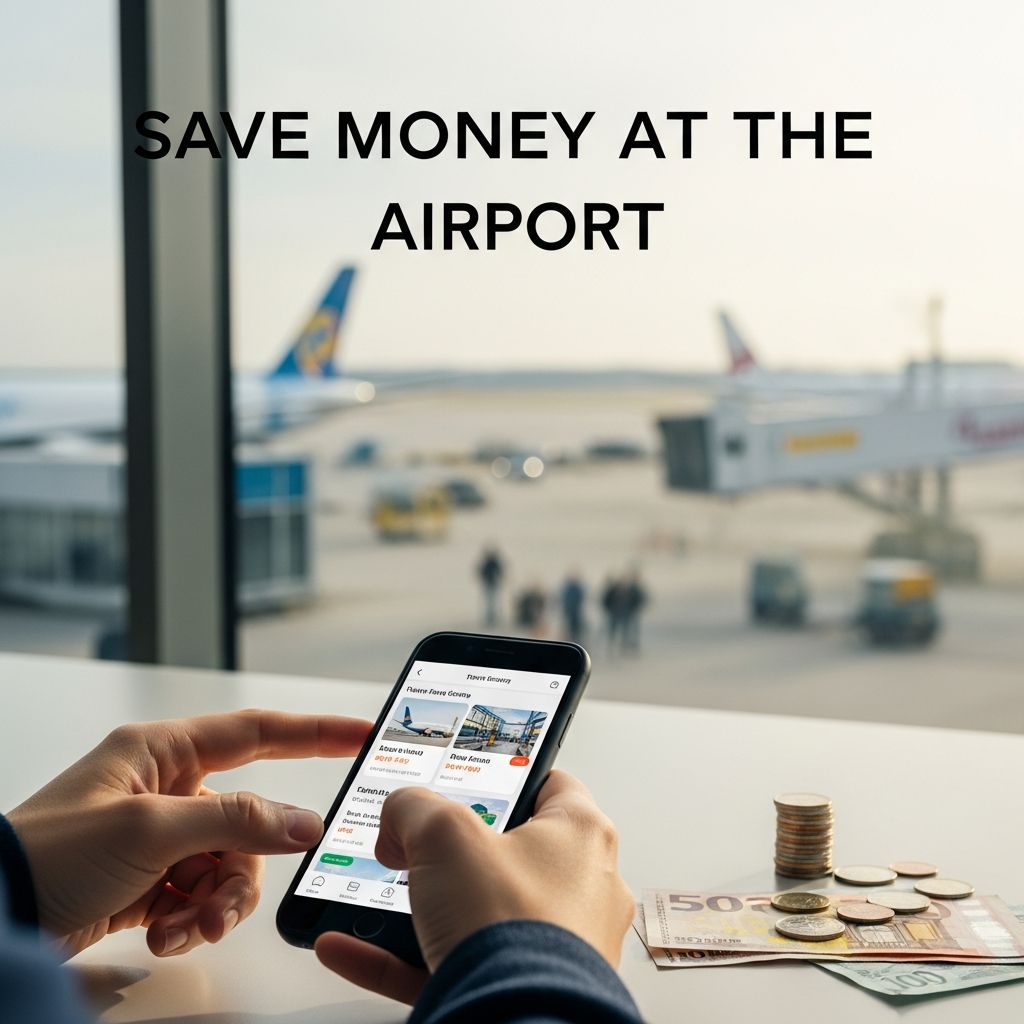
Airports are notorious for draining your wallet with high parking rates, overpriced food, baggage fees, and more. But with smart planning, you can slash these costs significantly and keep more cash for your trip. This guide covers proven strategies drawn from expert travel advice to help you navigate airports affordably.
Avoid Expensive Airport Parking
Airport parking is one of the biggest hidden costs, often exceeding $100 for a 10-day trip at major hubs. Instead of driving and parking onsite, opt for cheaper alternatives.
- Arrange a ride with friends or family — it’s free and hassle-free.
- Use public transportation like buses, trains, or shuttles, which are often far less expensive.
- Book ride-sharing services such as Uber or Lyft; use their fare estimators to compare against parking rates upfront.
Even if you live far from the airport, rideshares frequently beat parking costs, especially for longer stays. Plan ahead to lock in savings.
Skip Currency Exchange Kiosks
Airport exchange kiosks charge steep service fees and unfavorable rates — often 10-15% worse than banks. Avoid them entirely for international travel.
- Exchange currency at your local bank before departure for better rates.
- Use ATMs abroad with a no-foreign-transaction-fee credit card to minimize costs.
- Research local exchange options upon arrival, steering clear of tourist traps.
These kiosks prey on tired travelers; preparation ensures you get fair value for your money.
Pack Light and Use Carry-On Only
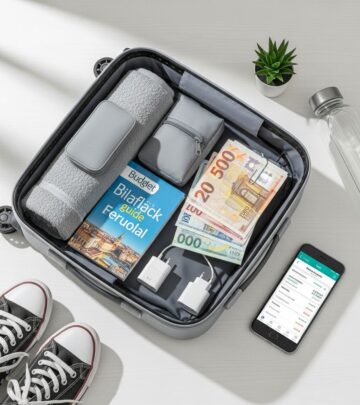
Checked baggage fees can add hundreds of dollars, especially on multiple flights or budget airlines. Sticking to carry-ons saves big.
- Choose versatile clothing: mix-and-match outfits reduce volume.
- Wear bulky items like jackets or boots through security.
- Maximize your personal item allowance — use a backpack to tuck away smaller bags.
- Follow TSA liquid rules strictly: 3.4 oz containers in a quart-sized bag.
Budget airlines like Spirit or Frontier charge $30-75 per carry-on at the gate, so pack efficiently to avoid surprises. Aim for under 22x14x9 inches for most carriers.
Bring Your Own Snacks and Water
Airport food and drinks are inflated — a $5 water bottle or $15 sandwich is common. Combat this by packing ahead.
- Pack non-liquid snacks like trail mix, granola bars, crackers, or fruit that pass security.
- Bring an empty reusable water bottle; fill it post-security at fountains or restaurants.
- Seek filtered water stations, now common in many U.S. airports.
This simple habit can save $20-50 per trip while keeping you energized without overpaying convenience prices.
Use Travel Rewards Credit Cards
The right credit card offsets airport expenses through rewards, no-fee perks, and insurance.
- Select cards with no foreign transaction fees (standard 3% charge = $30 on $1,000 spent abroad).
- Earn points or cash back on travel purchases, redeemable for flights or offsets.
- Benefit from built-in travel insurance covering delays, cancellations, and lost bags.
Popular options include Chase Sapphire Preferred or Capital One Venture, which waive fees and offer lounge access on select cards. Pay with plastic for everything possible.
Fly Budget Airlines Strategically
Low-cost carriers offer cheap base fares but nickel-and-dime extras. Know their model to maximize savings.
- Travel light: many charge for carry-ons ($30-75), checked bags ($40+), seats, and even printing boarding passes.
- Fly from secondary airports (e.g., Burbank vs. LAX) for lower fares, but factor in ground transport costs.
- Bundle extras at booking if needed, but skip non-essentials like snacks or pillows — bring your own.
Experts like Scott Keyes of Going recommend these for light packers; deals to Europe via budget hubs like Barcelona can halve costs vs. direct flights.
Book Early Flights and Layovers
Timing matters: early morning or red-eye flights, especially weekdays, are cheapest.
- Red-eyes save on airfare and potentially a hotel night.
- Layovers cut costs vs. direct flights; build in buffer time for delays.
- Use flight trackers for price alerts on preferred routes.
Check nearby airports for even better deals — a short drive or shuttle might be worth it.
Shop for Food Wisely: Lunch Over Dinner
Airport dining prices soar at peak times. Opt for off-peak meals.
- Choose lunch specials or fast-casual over evening fine dining.
- Buy from grocery stores near the airport for sandwiches or salads.
- Look for happy hours or combo deals at chains.
Saving $10 per meal adds up quickly for groups or long layovers.
Leverage Airport Lounges and Perks
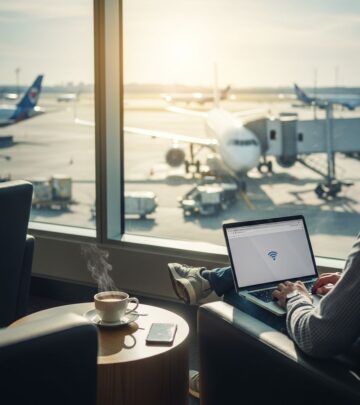
Priority Pass or card-included lounge access provides free food, drinks, Wi-Fi, and showers — worth $50+ value.
- Many travel cards offer free visits (e.g., 10/year).
- Non-members can buy day passes if worthwhile.
- Use quiet areas or airline apps for free amenities.
This upgrades comfort without extra spend.
Compare All Airports and Dates
Flexibility unlocks savings. Use tools to scan options.
| Strategy | Potential Savings | Example |
|---|---|---|
| Nearby Airports | 20-50% | Fort Lauderdale vs. Miami |
| Flexible Dates | 30-60% | Midweek vs. Weekend |
| Layovers | 25-40% | 1-stop vs. Direct |
Extend trips slightly or fly holidays themselves for deals.
Frequently Asked Questions (FAQs)
What is the cheapest way to get to the airport?
Rideshares, public transit, or friends/family often beat parking; compare with Uber/Lyft estimators.
Do budget airlines charge for carry-ons?
Yes, many like Spirit charge $30-75 at the gate; pack under personal item limits to avoid.
How can I save on airport food?
Pack snacks, bring an empty water bottle, eat lunch specials, or shop groceries nearby.
Are travel credit cards worth it for airport savings?
Absolutely — no-fee cards, rewards, and insurance recoup costs quickly on travel spend.
Should I fly red-eye to save money?
Yes, especially weekdays; cheaper fares and covers lodging, but prioritize rest.
References
- Aviation Consumer Protection — U.S. Department of Transportation. 2024-01-15. https://www.transportation.gov/airconsumer/airline-customer-service-dashboard
- Consumer Airfare Report — U.S. Government Accountability Office (GAO). 2023-07-20. https://www.gao.gov/products/gao-23-105760
- Airport Parking Fees Study — Federal Aviation Administration (FAA). 2024-05-10. https://www.faa.gov/airports/resources/publications_orders
- Bag Fees and Airline Pricing — Bureau of Transportation Statistics. 2025-02-28. https://www.bts.gov/topics/airlines-and-airports/baggage-fees
- Travel Tips: Budget Airlines — Consumer Reports. 2024-11-12. https://www.consumerreports.org/air-travel/budget-airlines-a9337763130/
Similar Articles








Read full bio of Sneha Tete