Sample Pay-for-Delete Letter: Remove Debt from Credit
Learn how to write an effective pay-for-delete letter to negotiate debt removal from your credit report.

Understanding Pay-for-Delete Letters
A pay-for-delete letter is a powerful negotiation tool that allows consumers to settle outstanding debts while simultaneously removing negative information from their credit reports. This strategic approach combines debt settlement with credit repair, offering a potential win-win solution for both debtors and creditors. The fundamental concept involves offering to pay a portion or the full amount of a debt in exchange for the creditor’s agreement to completely delete all references to that debt from your credit file with the three major credit bureaus: Equifax, Experian, and TransUnion.
The importance of understanding how to craft an effective pay-for-delete letter cannot be overstated. Your credit report significantly impacts your financial life, affecting everything from mortgage rates to job prospects. By successfully negotiating the removal of negative items, you can improve your credit score and regain financial stability. The letter serves as a formal offer and documentation of your good-faith attempt to resolve the matter.
Key Components of an Effective Pay-for-Delete Letter
Writing a successful pay-for-delete letter requires attention to detail and a clear understanding of what information to include. While legal jargon is not necessary, precision and completeness are essential. Your letter should be professional yet straightforward, demonstrating that you are serious about resolving the debt.
Personal and Account Information
Begin your letter by clearly identifying yourself and providing your complete contact information. Include your full name, current mailing address, city, state, and ZIP code. Additionally, provide your email address and phone number to make it easy for the creditor to contact you. Next, address the letter to the specific collection agency or creditor handling your account. Include their complete business address, city, state, and ZIP code.
Most importantly, clearly state your account number and the specific amount listed as owed. This information should appear near the beginning of the letter to ensure there is no confusion about which debt you are addressing. Accuracy in these details is critical to prevent your letter from being misrouted or mishandled.
The Opening Statement
Your opening should acknowledge the correspondence you have received from the creditor or collection agency regarding your account. Express your willingness to settle the debt, but importantly, do not acknowledge liability for the debt. This distinction is crucial from a legal standpoint. You are offering to resolve the matter as a compromise, not as an admission of guilt or responsibility.
A typical opening might read: “I am writing in response to your recent correspondence related to account number [XXXXX]. I accept no responsibility for ownership of this debt; however, I’m willing to compromise.”
Negotiating Settlement Terms
The heart of your pay-for-delete letter lies in the proposed settlement terms. This section outlines exactly what you are offering and what you expect in return. Being specific about these terms protects both you and the creditor by creating a clear agreement.
Settlement Amount
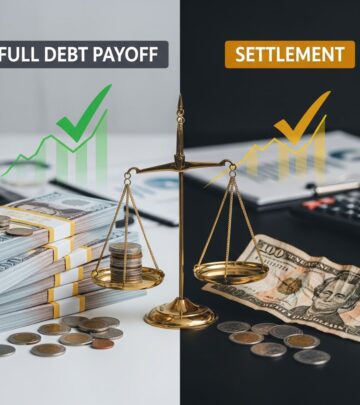
Determine the amount you are willing to pay. You have two primary options: offer to pay the full balance owed or propose a settlement amount that is less than the total debt. Many creditors are willing to negotiate, especially if they believe this is their best chance of recovering any funds from the account. Research similar accounts and understand your financial capabilities before proposing an amount.
In your letter, state clearly: “I am willing to pay the [full balance owed / $XXX as settlement for this debt] in exchange for your agreement to the above terms within fifteen calendar days of receipt of payment.”
Specific Deletion Requests
Your letter must explicitly state your conditions for payment. Request that the creditor agrees to the following terms:
– Accept your payment as full satisfaction of the debt once they receive the agreed-upon amount- Refrain from listing the debt as a “paid collection” or “settled account”- Completely remove all references to this account from Equifax, TransUnion, and Experian
These three conditions are fundamental to achieving your goal of credit repair. Without the complete removal requirement, the negative item may remain on your credit report in a different form, which would diminish the benefit of your settlement.
Payment Terms and Conditions
Your letter should specify important details regarding payment to prevent misunderstandings and protect yourself legally.
Proof of Agreement Required
Before making any payment, insist on receiving written confirmation of the creditor’s agreement. State clearly in your letter: “Should you accept, please send a signed agreement with the aforementioned terms from an authorized representative on your company letterhead.” This written agreement protects you by documenting that both parties have agreed to the deletion of the account from your credit report.
Do not make any payment until you have received and reviewed this written agreement. This is a critical step that many people overlook, and it is essential for ensuring that the creditor follows through on their promise to delete the account.
Payment Method
Specify how you will pay the settlement amount. Common methods include cashier’s checks, money orders, or wire transfers. These payment methods provide proof of payment and are generally preferred over personal checks because they cannot bounce. Avoid sending cash, as it leaves no paper trail and provides no proof of payment.
Timeline and Response Deadline
Your letter must include a response deadline, typically fifteen to thirty days from the date of receipt. Include a statement such as: “If I do not receive your response to this offer within fifteen calendar days, I will rescind this offer and it will no longer be valid.” This timeline creates urgency and protects you by preventing the creditor from accepting your offer months later when circumstances have changed.
Important Legal Protections in Your Letter
Crafting your letter with specific legal language protects you from potential consequences and demonstrates seriousness to the creditor.
Non-Admission of Liability
Throughout your letter, make clear that your offer is not an admission of responsibility for the debt. Include language such as: “Understand that this is not a promise to pay. This is a restricted settlement offer and you must agree to the terms above in order for payment to be made.” This protects you legally by distinguishing between settlement and acknowledgment of the original debt.
Contingency Clause
Always make your payment contingent upon the creditor’s written agreement to the terms. This prevents the creditor from cashing your check and then ignoring their obligation to delete the account from your credit report.
Sample Pay-for-Delete Letter Template
Below is a complete sample letter you can customize with your specific information:
[Your Name]
[Your Address]
[Your City, State, Zip Code]
[Your Email Address]
[Your Phone Number]
[Collection Agency’s Name]
[Collection Agency’s Address]
[Collection Agency’s City, State, Zip Code]
[Date]
Subject: Pay-for-Delete Settlement Offer for Account [XXXXXXXXXXX]
Re: Account Number [XXXXXXXXXXX]
Dear [Creditor’s Name],
I am writing this in response to your recent correspondence related to account number [XXXXXXXXXXX]. I accept no responsibility for ownership of this debt; however, I’m willing to compromise. I can offer a settlement amount in exchange for your written agreement to the following terms:
Proposed Settlement Terms:
- You agree to accept this payment as satisfying the debt in full (once you receive the agreed-upon amount).
- You agree to not list this debt as a “paid collection” or “settled account.”
- You agree to completely remove any and all references to this account from the credit reporting agencies (Equifax, TransUnion and Experian) that you have reported to and validated this account.
I am willing to pay the [full balance owed / $XXX as settlement for this debt] in exchange for your agreement to the above terms within fifteen calendar days of receipt of payment. Understand that this is not a promise to pay. This is a restricted settlement offer and you must agree to the terms above in order for payment to be made.
Should you accept, please send a signed agreement with the aforementioned terms from an authorized representative on your company letterhead. Once I receive this, I will pay [$XXX] via [cashier’s check/money order/wire transfer].
If I do not receive your response to this offer within fifteen calendar days, I will rescind this offer and it will no longer be valid.
I look forward to resolving this matter quickly.
Sincerely,
[Your Signature]
[Your Name]
[Your Address]
[Your City, State, Zip Code]
Step-by-Step Process for Creating Your Letter
Follow these systematic steps to ensure your letter is complete and effective:
Step 1: Gather All Necessary Information
Before you begin writing, collect all relevant documentation about your debt. This includes your account number, the original amount owed, the current amount listed by the collection agency, and the collection agency’s complete contact information. Having this information readily available will make writing your letter quicker and more accurate.
Step 2: Determine Your Settlement Offer
Assess your financial situation and determine how much you can realistically pay. Research typical settlement percentages (often 40-60% of the original debt) to create a competitive offer. Consider whether you want to offer the full amount or negotiate a lower settlement figure based on the age of the debt and the collection agency’s likelihood of recovery.
Step 3: Draft Your Letter
Using the template provided above, customize each section with your specific information. Ensure that all personal details, account information, and settlement terms are accurate and complete. Read through your letter carefully to check for errors and ensure professional presentation.
Step 4: Consider Sending by Certified Mail
When you are ready to send your letter, use certified mail with return receipt requested. This provides proof that the creditor received your letter and protects you in case they later claim they never received your offer.
Common Mistakes to Avoid
Understanding what not to do is as important as knowing what to include in your letter.
– Do not make any payment before receiving written agreement from the creditor- Do not use overly complicated legal language or try to sound like an attorney- Do not fail to include the non-admission of liability clause- Do not send your offer without a clear response deadline- Do not overlook important account details or personal information- Do not use email alone; follow up with certified mail documentation- Do not agree to mark the account as “paid” rather than “deleted”
What to Expect After Sending Your Letter
After you send your pay-for-delete letter, you should expect to wait for a response during the timeframe you specified. Different collection agencies have different policies regarding pay-for-delete negotiations. Some agencies readily agree to this arrangement, while others may refuse or counteroffer with alternative terms, such as marking the account as “paid in full” rather than deleting it completely.
If the creditor responds positively and sends you a signed agreement, review it carefully to ensure it matches your letter’s terms exactly. Only then should you send payment according to the specified method and timeline. If the creditor refuses or makes a counteroffer that doesn’t meet your needs, you can choose to negotiate further, accept their alternative offer, or rescind your offer entirely.
Frequently Asked Questions
Q: Is it legal to negotiate a pay-for-delete agreement?
A: Yes, pay-for-delete agreements are legal. However, not all creditors will agree to them. The Fair Debt Collection Practices Act and the Fair Credit Reporting Act govern these negotiations, but they do not prohibit creditors from agreeing to remove accurate information in exchange for payment.
Q: What if the creditor refuses to delete the account?
A: If a creditor refuses your pay-for-delete offer, you can negotiate alternative terms, such as having the account marked as “paid in full” or “settled.” You can also choose not to pay and let the debt age on your credit report, which reduces its impact over time.
Q: Should I hire a credit repair company to send this letter?
A: No, you do not need to hire a credit repair company to send a pay-for-delete letter. You can write and send this letter yourself at no cost. However, ensure you follow the proper procedures and maintain documentation of all correspondence.
Q: How long does it take to receive a response?
A: Response times vary, but creditors typically respond within the deadline you specify in your letter, usually 15-30 days. If you do not receive a response within that timeframe, your offer expires and you can rescind it.
Q: Will paying delete the account immediately?
A: The deletion timeline varies by creditor. Some may delete the account within days of receiving payment, while others may take several weeks. Request a specific timeline in your letter and follow up to ensure the creditor honors their commitment.
Q: Can I negotiate with the original creditor or only collection agencies?
A: You can negotiate with either the original creditor or the collection agency currently holding the account. If your debt has been sold to a collection agency, focus your efforts on negotiating with the agency that currently owns the debt.
References
- Pay for delete letter template + sample for credit repair — Lexington Law. 2024. https://www.lexingtonlaw.com/blog/finance/pay-for-delete-letter.html
- Free Pay for Delete Letter | Sample Template – PDF | Word — eForms. 2024. https://eforms.com/debt/remove-a-paid-debt-letter/
- How To Write A Pay-For-Delete Letter — Rocket Money. 2024. https://www.rocketmoney.com/learn/debt-and-credit/pay-for-delete-letter
- What Is A Pay-For-Delete Letter And How Do You Write One? — Bankrate. 2024. https://www.bankrate.com/personal-finance/credit/what-is-a-pay-for-delete-letter/
- How to Write a Pay-for-Delete Letter to Remove Collections from Your Credit Report — Shepherd Outsourcing Collections. 2024. https://www.shepherdoutsourcingcollections.com/blog/pay-for-delete-letter-remove-collection-credit-report
Similar Articles








Read full bio of Sneha Tete