Sample Letter Format: Complete Writing Guide
Master professional letter writing with comprehensive format guidelines and practical examples.
Understanding Letter Format Fundamentals
Professional letter writing is an essential skill in business communication. Whether you’re writing a formal request, payment letter, or business correspondence, understanding the proper letter format ensures your message is received professionally and taken seriously. A well-structured letter demonstrates attention to detail, respect for the recipient, and clarity of purpose.
The basic structure of a professional letter includes several key components that work together to create a cohesive, easily readable document. From the sender’s information at the top to the signature line at the bottom, each element serves a specific purpose in conveying your message effectively.
Essential Components of Letter Structure
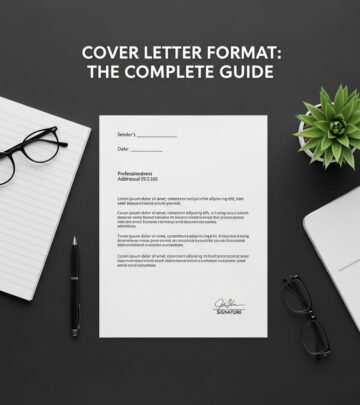
Sender’s Information and Header
The header of your letter should include your complete contact information positioned at the top. This section typically contains your full name or business name, complete address, phone number, and email address. If you’re writing on behalf of a company, include your job title and the company name as well. For example, if you’re a general manager at a construction company, your header should clearly state this information along with the company’s complete address, including street number, street name, city, state, and zip code.
The header serves as the primary identification for the recipient. It allows them to easily understand who is sending the letter and how to reach you if they need to respond. Position this information in the upper left corner of the letter or center it depending on your preferred formatting style.
Date Line
Always include the date you’re writing the letter. The date should appear below your contact information, typically using the format of month, date, and year. For example: November 30, 2025. This helps establish a timeline for the correspondence and is important for record-keeping purposes, especially for business communications involving payments, requests, or formal agreements.
Recipient’s Information
Below the date, include the recipient’s full name, title, company name (if applicable), and complete mailing address. This section should include the street address, city, state, and zip code. Having accurate recipient information ensures your letter reaches the intended person and demonstrates that you’ve done your research.
Salutation and Greeting
Begin your letter with a formal salutation. The most common approach is to write “Dear” followed by the recipient’s title and last name, such as “Dear Mr. Smith” or “Dear Ms. Johnson.” If you’re unsure about the recipient’s gender or title, “Dear [Recipient’s Name]” is an acceptable alternative. The salutation sets the tone for the entire letter and shows respect for the recipient.
Structuring the Body of Your Letter
Opening Paragraph: State Your Purpose
The first paragraph should clearly state the purpose of your letter. This is your opportunity to immediately tell the recipient why you’re writing. Whether you’re requesting payment, confirming a transaction, or making a formal request, be direct and concise. For instance, if you’re writing a payment request letter, your opening should clearly state that this is a notice regarding an outstanding payment that needs to be addressed.
Keep this paragraph brief but informative. The recipient should understand the main purpose of your letter within the first few sentences.
Detailed Information and Invoice Details
After establishing your purpose, provide specific details relevant to your letter. For payment-related correspondence, this section should include:
- Reference invoice number or transaction identification
- Total amount owed or outstanding balance
- Original due date and current status
- Any applicable interest, fees, or charges
- Payment terms and conditions
Be specific and comprehensive in this section. Include all relevant details that the recipient needs to understand the situation fully. If necessary, attach supporting documentation such as invoices, receipts, or agreements.
Explanation and Context
Provide context about the services rendered or goods supplied. Briefly remind the recipient of what was provided and the associated costs. This helps establish the validity of your request and provides a clear reference point for the recipient. For example, if you’re requesting payment for construction services, mention the specific work completed, the dates of service, and the agreed-upon price.
Call to Action
In the middle to latter part of your letter, include a clear call to action. Specify what you’re requesting from the recipient and provide a deadline if appropriate. For payment requests, this might include a statement such as “Please remit payment by [specific date]” or “We request that you remedy this situation at your earliest convenience.” A reasonable deadline demonstrates urgency while remaining professional.
Contact Information and Support
Before closing, provide your contact information again, including phone number and email address. This allows the recipient to easily reach you with questions or to confirm when payment has been made. You might also include alternative payment methods or options to facilitate resolution.
Closing Your Letter Professionally
Final Statements and Expressions of Hope
In the penultimate paragraph, you might express your hope for a prompt resolution. For payment letters, this could be “We look forward to receiving your payment by the due date” or “Thank you for your attention to this matter.” This maintains a professional yet cooperative tone.
Complimentary Close
End your letter with a formal closing, such as “Sincerely,” “Best regards,” or “Respectfully.” These traditional closings signal the end of your formal communication and maintain professionalism.
Signature Block
Below the closing, add several line breaks for your handwritten signature, then type your full name. If you’re writing on behalf of a company, include your job title and company name below your signature. This formal signature block provides authentication and professional credibility to your correspondence.
Common Letter Formats and Types
Payment Request Letters
Payment request letters serve to formally notify someone of an outstanding payment obligation. These letters are essential in business when invoices haven’t been paid by their due date. The structure remains consistent with professional letter format, but the emphasis is on clearly stating the amount owed, payment terms, and consequences of non-payment.
Confirmation of Payment Letters
When partial payments are received, you may need to send a confirmation letter. This letter should acknowledge the amount received, specify the date of payment, reference the invoice number, and clearly state the remaining balance. It’s important to reiterate payment terms and encourage timely payment of the outstanding amount. This type of letter fosters clarity and builds trust between parties.
Paid in Full Letters
Once a debt is completely settled, a paid in full letter provides written confirmation. This letter should reference the account number, state that the account is paid in full or settled according to your agreement, and request written confirmation from the creditor or collection agency. This documentation is crucial for your financial records.
Best Practices for Professional Letter Writing
Tone and Language
Maintain a professional, respectful, and courteous tone throughout your letter. Avoid aggressive or threatening language, even when requesting overdue payments. Instead, use firm but polite language that encourages cooperation. Professional language demonstrates your credibility and increases the likelihood of a positive response.
Clarity and Conciseness
Keep your letter focused and to the point. While providing necessary details, avoid unnecessary verbiage or repetition. A well-organized letter that’s easy to scan allows readers to quickly understand your message and take appropriate action.
Accuracy and Detail
Double-check all numbers, dates, names, and addresses before sending your letter. Accuracy in financial figures and account references is particularly important in payment-related correspondence. Errors can create confusion and delay resolution.
Professional Formatting
Use a standard business font such as Arial, Calibri, or Times New Roman in 11 or 12-point size. Maintain consistent margins, typically one inch on all sides. Use single spacing within paragraphs and double spacing between paragraphs. This professional appearance reflects well on you and your organization.
Documentation and Delivery
Keep copies of all letters you send for your records. Consider sending important correspondence via certified mail with return receipt requested, which provides proof of delivery. For sensitive matters involving debt collection or payment disputes, this documented delivery method protects both parties legally.
Letter Format Examples and Templates
Here’s a basic template structure you can adapt for various letter types:
| Component | Description | Example |
|---|---|---|
| Header | Your contact information | John Smith, General Manager, ABC Construction |
| Address | Complete mailing address | 123 Main Street, New York, NY 10001 |
| Date | Date of correspondence | November 30, 2025 |
| Recipient Info | Recipient’s name and address | Jane Doe, 456 Oak Avenue, Boston, MA 02101 |
| Salutation | Formal greeting | Dear Ms. Doe |
| Body | Purpose, details, and call to action | Clear statement of purpose and specific details |
| Closing | Professional sign-off | Sincerely, John Smith |
Common Mistakes to Avoid
Incomplete Contact Information
Always ensure your complete contact information is included. Recipients need to know how to reach you, whether by phone, email, or mail. Missing contact details make it difficult for the recipient to respond.
Vague or Unclear Purpose
Don’t assume the recipient will understand why you’re writing. State your purpose clearly and directly in the opening paragraph. Ambiguous letters often result in delayed responses or misunderstandings.
Incorrect Recipient Information
Take time to verify the recipient’s name, title, and address. Misspelled names or incorrect titles can seem disrespectful and may result in your letter not reaching the intended recipient.
Poor Formatting
Inconsistent formatting, unusual fonts, or poor spacing makes your letter difficult to read. Professional formatting demonstrates attention to detail and respect for the recipient’s time.
Emotional or Aggressive Language
Even when frustrated or dealing with overdue payments, maintain professionalism. Emotional language can damage relationships and reduce the likelihood of cooperation.
Frequently Asked Questions
Q: What is the standard margin size for a professional letter?
A: Standard margins are typically one inch on all sides (top, bottom, left, and right). This provides a professional appearance and ensures the content is easily readable.
Q: Should I include a subject line in my letter?
A: While not always necessary, a subject line can be helpful, especially in business letters. It appears between the salutation and the opening paragraph and clearly indicates the letter’s purpose, such as “RE: Outstanding Invoice #12345.”
Q: How formal should my letter tone be?
A: Business letters should maintain a professional and courteous tone. While not overly stiff, the language should be formal enough to convey respect and professionalism. Avoid colloquialisms, slang, and overly casual language.
Q: Can I send a letter via email instead of postal mail?
A: Yes, email is an acceptable delivery method for many business letters. However, for official or legally significant correspondence, such as debt collection notices, certified postal mail provides better documentation and legal protection.
Q: What should I do if I don’t know the recipient’s name?
A: If possible, research the recipient’s name through the company website or by calling the organization. If you cannot find the specific name, you can address the letter to “Dear Sir or Madam” or “To Whom It May Concern,” though a specific name is always preferable.
Q: Should I include attachments with my letter?
A: If your letter references supporting documents such as invoices, receipts, or agreements, include them as attachments. Note at the bottom of the letter that attachments are enclosed, such as “Enclosure: Invoice #12345.”
Q: How should I format the date in my letter?
A: Use the format “Month Day, Year,” such as “November 30, 2025.” This is the most standard and widely recognized date format for business correspondence.
Q: What’s the difference between “Sincerely” and “Best regards” as a closing?
A: Both are professional closings. “Sincerely” is slightly more formal and traditional, while “Best regards” is slightly more modern and friendly. Choose the closing that best fits the tone and relationship with your recipient.
References
- How To Write A Payment Request Letter Step by Step Guide — Writing Practices. 2025. https://www.youtube.com/watch?v=pXX1ZRHCj7E
- Letter confirming partial payment received and remaining balance — CoBrief. 2025. https://www.cobrief.app/resources/business-letter-templates/letter-confirming-partial-payment-received-and-remaining-balance-free-template/
- Paid In Full Letter Sample Form — Fair Debt Collection. 2025. https://www.fair-debt-collection.com/debt-credit-loan-faq/paid-in-full-letter/
- How to write an effective debt collection letter: samples & template — ChaserHQ. 2025. https://www.chaserhq.com/blog/how-do-i-write-a-debt-collection-letter-simple-swipe-file-samples-for-your-small-business
- How to Ask for Payment Politely and Professionally — eTactics. 2025. https://etactics.com/blog/ask-for-payment-politely
- Collection Letter Templates & Strategies to Get Paid — Upflow. 2025. https://upflow.io/blog/ar-collections/collection-letter
Similar Articles








Read full bio of medha deb