Sample Letter for Closing Your Credit Card
Step-by-step guide with templates and tips for closing credit card accounts professionally.

Understanding Credit Card Closure and Why a Written Letter Matters
Closing a credit card account is a significant financial decision that requires careful planning and proper documentation. While many people think they can simply call their credit card issuer and request cancellation, having a written letter on file provides an important paper trail. According to the Consumer Financial Protection Bureau (CFPB), you can typically close a credit card account by calling the credit card issuer and then sending them a written notice. This dual approach—combining a phone call with written confirmation—ensures that your request is properly documented and helps protect you from potential disputes or misunderstandings down the line.
A formal closure letter serves multiple purposes beyond just requesting account termination. It creates an official record of your intent to close the account, specifies the exact date you want the closure to take effect, and ensures the account is marked as “closed at your request” rather than due to delinquency or other negative reasons. This distinction matters significantly for your credit report, as lenders and creditors review how accounts were closed when evaluating your creditworthiness.
Why You Might Want to Close a Credit Card
Before drafting your closure letter, it’s worth understanding the various legitimate reasons for closing a credit card account. Common motivations include:
High Annual Fees or Poor Customer Service: If the cost outweighs the benefits or the service is lacking, closing the card could be a smart move. Many premium cards charge substantial annual fees that may no longer align with your financial goals.
Rarely Used Cards: If you have an inactive card with a low credit limit, closing it likely won’t affect your score significantly. Keeping multiple unused accounts open can complicate your financial management.
Card Upgrades: If you’ve transitioned from a secured card to an unsecured one or upgraded to a card with better rewards, keeping the old card open may not be necessary.
High Interest Rates: If you carry a balance and the interest rate is too high, closing the card might be preferable to continuing to accumulate debt.
Overspending Concerns: If you’re tempted to overspend with a particular card, removing the temptation through closure can be a prudent financial strategy.
Life Changes: Divorce, separation, or the passing of a spouse may require canceling joint accounts.
Security Concerns: If a card has been compromised or poses a security risk, closing it may be the best option.
Important Considerations Before Closing Your Account
Before submitting your closure letter, take time to evaluate how closing this particular account might affect your financial situation. Understanding these considerations will help you make a more informed decision.
Impact on Your Credit Score
Closing a credit card can potentially impact your credit scores in several ways. The most significant factor is your credit utilization ratio, which compares your total revolving credit balance to your total available credit. If the card you’re closing has a high limit and you carry balances on other cards, closing it can increase your overall utilization ratio, which may negatively affect your credit score. Additionally, closing an older account can shorten your credit history length, another factor that influences credit scores. Consider whether the benefits of closing the account outweigh these potential drawbacks.
Remaining Balance Considerations
Depending on the card issuer, you might be able to close a credit card with a balance still due. However, you’ll need to make at least the minimum payments on schedule until the balance is paid off, and you might continue to be charged interest on what you owe. For this reason, it’s generally advisable to pay off any balance before you close the card to avoid ongoing interest charges and complications with your account closure.
Account Age and Credit History
If the card you’re considering closing is your oldest account, closing it may shorten your credit history, which can affect your score. Credit history length is an important factor in credit scoring models. If this is a long-standing account in good standing, you might want to consider alternative options like downgrading to a card with no annual fee rather than closing it entirely.
Steps to Take Before Writing Your Closure Letter
Proper preparation before submitting your closure letter will ensure a smooth process and help you avoid common pitfalls.
Pay Off Your Full Balance
The first step should be to bring your credit card balance to zero. Don’t close a card with a balance—interest and fees can pile up. Review your statement carefully for any pending charges or automatic payments that might still post to the account.
Redeem Your Rewards
Cash in any points or cash back—you’ll lose them once the account is closed. Many credit card rewards programs don’t allow you to redeem after the account closes, so it’s crucial to claim your rewards before submitting your closure letter. Check your account for any accumulated points, miles, or cash back bonuses.
Update or Cancel Auto-Payments
If you were using the card to cover any automatic or recurring payments, you’ll need to move those charges to a new payment method. This might include subscription services, utility payments, insurance premiums, or other regular expenses. Doing this before closing your credit card account may help you avoid late or missed payments. Update all relevant companies and services with your new payment method well in advance.
Gather Necessary Account Information
Before writing your letter, collect important information about your account. You’ll want to have your account number, the card’s issue date, and your current balance readily available. This information should be included in your closure letter for proper identification and record-keeping.
How to Contact Your Credit Card Issuer
When you’re ready to close your account, you typically can simply call the credit card issuer. This number can be found on the back of your card. You may be asked for written confirmation, as well. During your phone call, request that the representative document your verbal request and ask them to confirm your account will be marked as “closed at customer’s request.” Also ask whether they require a formal written letter or if the phone call documentation is sufficient.
Sample Credit Card Closure Letter Template
When writing your closure letter, keep it professional, clear, and concise. Here’s a basic template you can customize with your specific information:
[Your Name]
[Your Address]
[City, State ZIP Code]
[Your Email Address]
[Your Phone Number]
[Date]
Customer Service Department
[Credit Card Company Name]
[Company Address]
[City, State ZIP Code]
Dear Sir or Madam:
I am writing to formally request the closure of my credit card account effective [specific date]. My account number is [your account number].
I have confirmed that my account balance is $0 and all outstanding charges have been paid in full. I have also redeemed all accumulated rewards and points associated with this account.
Please close this account and mark it as “closed at customer’s request” on my credit report. I would appreciate written confirmation of the account closure, including the effective date, once you have processed this request.
Please feel free to contact me if you require any additional information to process this request.
Sincerely,
[Your Signature]
[Your Typed Name]
Alternative Closure Letter Sample
If you prefer a slightly different approach, here’s an alternative version that includes more detail:
[Your Name]
[Your Address]
[City, State ZIP Code]
[Date]
To Whom It May Concern:
I am requesting the immediate closure of my [Card Type] credit card account number [your account number]. This account is in good standing with a zero balance.
I would appreciate the following confirmations:
1. The account has been closed as of [date]
2. The account status is marked as “closed at customer’s request”
3. I receive written confirmation of this closure via mail and/or email
Please contact me at [your phone number] or [your email] if you need any additional information. I look forward to your confirmation.
Thank you for your assistance.
Respectfully,
[Your Signature]
[Your Typed Name]
How to Submit Your Closure Letter
There are several methods for submitting your closure letter, and the best approach may depend on your card issuer’s preferences:
Mail: Send your letter via certified mail with return receipt requested. This provides proof of delivery and creates an official record. Send it to the address listed on your statement or the company’s website.
Secure Messaging: Many issuers offer secure messaging through their online account portal. This method creates an electronic record and is often faster than traditional mail.
Email: If you choose to email your closure letter, use the official customer service email address from the company’s website. Avoid using general email addresses, as your message might not reach the appropriate department. However, be aware that email may be less secure than certified mail or secure messaging.
In Person: If your card issuer has local branch offices, you can deliver your closure letter in person and request a receipt showing delivery.
What Happens After You Submit Your Closure Letter
Understanding the timeline and process after submission helps you know what to expect and when to follow up if necessary.
Processing Time
Most credit card companies process closure requests within 5 to 10 business days, though some may take up to 30 days. During this time, the account remains open, so make sure no additional charges post to it.
Verification and Confirmation
You should receive written confirmation of your account closure. Make sure your account is marked “closed at your request” and shows a $0 balance. Keep this confirmation letter for your records in case you need documentation of the closure date.
Monitoring Your Credit Report
When a credit card is closed, it’s typically reported to the three major credit bureaus. You can check that the closure was reported properly by getting free copies of your credit reports at AnnualCreditReport.com. Bear in mind it may take some time for a cancellation to show up. Review your report carefully to ensure the account is properly reflected as closed at your request.
Destroying Your Physical Card
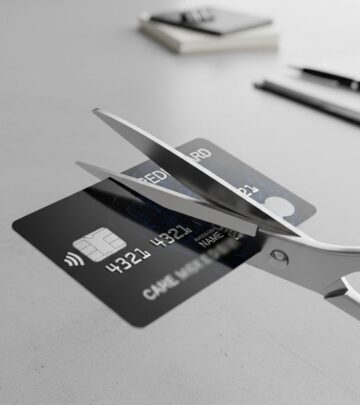
After your account is closed, cut up the card (or shred it) to prevent accidental use or theft. This step is important for preventing credit card fraud and identity theft. If your card is made of metal, you might be able to send it back to the issuer for disposal.
Alternatives to Consider Before Closing
If you’re concerned about the potential impact of closing your account, explore these alternatives that might better serve your needs.
Request a Downgrade
Ask your issuer if you can switch to a no-fee version of your card. This allows you to maintain your account history and credit limit while eliminating annual fees.
Reduce Your Credit Limit
If overspending is a concern, request a lower limit instead of canceling. This keeps the account active while reducing your temptation to overspend.
Keep the Card for Small Recurring Expenses
Use it for minor subscriptions like streaming services or phone bills. This keeps the account active and helps maintain your credit history.
Upgrade Your Card
Some issuers allow you to upgrade to a card with better rewards or lower fees without closing your existing account. This option preserves your account age while giving you access to better benefits.
Frequently Asked Questions About Closing Credit Cards
Q: Does it cost money to close a credit card?
A: Card issuers aren’t allowed to charge a fee to close your card. However, you may be responsible for any monthly or annual fees the card has until your balance is paid in full.
Q: Can I close a credit card with a balance?
A: Yes, you can close a card with a remaining balance, but you’ll continue to receive bills and pay interest on the outstanding amount until it’s paid off. It’s best to pay off the balance before closing.
Q: How long does it take to close a credit card account?
A: Most accounts are closed within 5 to 10 business days after you submit your request, though some issuers may take up to 30 days.
Q: Will closing my credit card hurt my credit score?
A: Closing a credit card can potentially impact your credit score by increasing your credit utilization ratio and shortening your credit history, but the impact varies based on your individual credit profile.
Q: Should I close all my old credit cards?
A: Not necessarily. Keeping older accounts open can benefit your credit history length and lower your credit utilization ratio, even if you don’t actively use them.
Q: What should I do with the physical card after closure?
A: Cut the card into small pieces or shred it to prevent fraud. If it’s a metal card, you may be able to return it to the issuer for proper disposal.
Q: How do I verify that my credit card account has been closed?
A: Check your credit report on AnnualCreditReport.com and look for confirmation from your card issuer. The account should be marked as “closed at customer’s request” with a $0 balance.
References
- How to Cancel a Credit Card — Capital One. 2025. https://www.capitalone.com/learn-grow/money-management/how-to-cancel-a-credit-card/
- How to Close a Credit Card Safely: Step-by-Step — Money Fit. 2025. https://www.moneyfit.org/how-to-guides/credit-cards/how-to-close-a-credit-card-safely/
- I want to close my credit card account. What should I do? — Consumer Financial Protection Bureau (CFPB). 2025. https://www.consumerfinance.gov/ask-cfpb/i-want-to-close-my-credit-card-account-what-should-i-do-en-84/
Similar Articles








Read full bio of Sneha Tete