Group Interview Thank-You Letter: 7 Essential Steps
Master the art of writing professional thank-you letters after group interviews to strengthen your candidacy.

How to Write an Impressive Group Interview Thank-You Letter
After participating in a group interview, sending a thoughtful thank-you letter is an essential step in the job application process. A well-crafted thank-you letter allows you to reinforce your interest in the position, clarify any points you may have missed during the interview, and demonstrate your professionalism and attention to detail. This follow-up communication can set you apart from other candidates and leave a lasting positive impression on the hiring team.
Group interviews can be particularly challenging because you’re competing for attention among multiple candidates while being evaluated by several interviewers simultaneously. A personalized thank-you letter shows that you were genuinely engaged during the interview process and that you value the opportunity to work with the organization. Whether you choose to send a formal letter through the mail or an email, the key is to make it meaningful, specific, and professional.
Seven Key Steps to Write a Great Group Interview Thank-You Letter
Writing an effective thank-you letter after a group interview requires careful planning and attention to detail. Here are seven essential steps to guide you through the process:
1. Get Contact Information
Before you begin writing, gather the complete contact information for each person who interviewed you. This includes their full names, job titles, email addresses, and mailing addresses if you plan to send a physical letter. If you didn’t receive business cards during the interview, check the company website or LinkedIn to find this information. Having accurate contact details ensures your letter reaches the right people and demonstrates your organizational skills and attention to detail.
2. Create a Simple and Appropriate Subject Line
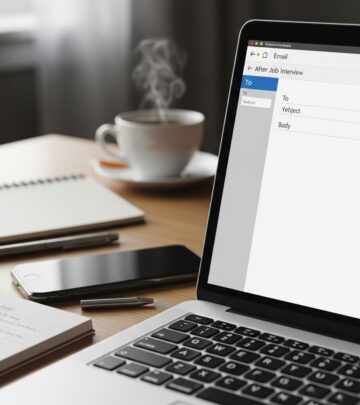
If you’re sending an email thank-you letter, craft a clear and professional subject line that makes it easy for recipients to identify your message. A good subject line should include the position title and a reference to your interview. Examples include “Thank You – Marketing Manager Interview” or “Follow-Up: Sales Associate Position.” Avoid vague or overly casual subject lines that might cause your email to be overlooked or misunderstood.
3. Personalize Your Salutation
Address each interviewer by name whenever possible. If you’re sending individual letters, use “Dear [Name]” for each recipient. For a group email, you might write “Dear [Name], [Name], and [Name]” or “Dear [Panel Members’ Names].” Taking the time to personalize your greeting shows respect and genuine interest in the individuals who took time to meet with you.
4. Show Your Appreciation in the Opening Paragraph
Begin your letter by expressing genuine gratitude for the opportunity to interview with the company. Thank them specifically for the time and effort they invested in meeting with you. This opening sets a positive tone and demonstrates basic professionalism and courtesy. Make this section warm but concise, allowing you to move into more substantive content in the following paragraphs.
5. Reference Something Unique to That Interviewer
To create rapport and stand out among other candidates, mention a specific point, question, or story that an interviewer shared during your conversation. This might include a particular project they discussed, a company initiative they were passionate about, or an interesting insight they provided about the role or team culture. Referencing these specific details demonstrates that you were actively listening and genuinely interested in learning about the position and the organization.
6. Reiterate Your Qualifications in the Body
Use the body of your letter to briefly reinforce why you’re an excellent fit for the position. Connect your skills, experience, and accomplishments to the specific requirements of the role. You might address any concerns that came up during the interview or elaborate on points you wish you had discussed more thoroughly. This section should be concise but compelling, reminding the hiring team of your value as a candidate.
7. Restate Your Interest in the Conclusion
Close your letter by clearly expressing your continued interest in the position and the company. Invite further communication and make it easy for them to reach out to you if they need additional information. Use a professional closing phrase such as “Best regards” or “Sincerely,” followed by your name, email address, and phone number. This final touch leaves a strong and positive impression.
Timing and Format Considerations
The timing of your thank-you letter is important. Ideally, you should send it within 24 hours of your group interview while the conversation is still fresh in everyone’s mind. Email is typically the preferred method in today’s professional environment because of its speed and convenience. However, a formal typed or handwritten letter sent through the mail can be particularly impactful in traditional industries or when you want to demonstrate extra effort and consideration.
If you’re sending individual thank-you emails to each panelist, customize each message to reflect your specific conversation with that person. Avoid sending generic emails to multiple recipients, as this can feel impersonal and may be perceived negatively. Personalization is key to making your message stand out.
Written Panel Thank-You Letter Example
Here is a professional template for a formal thank-you letter that you might mail to your group interview panelists:
Clement Henderson
132 Skylark Avenue
Rochester, NY 22321
clement.henderson@gmail.com
October 10, 2024
Phillip Bayer
Sales Manager
Suite 21, Fortune Towers
Chesapeake City, NY 45671
Dear Phillip,
Thank you for taking the time to meet with me regarding the Assistant Sales Manager position at your company. I appreciated the opportunity to learn more about your team’s sales strategies and the innovative approach you’re taking to market expansion. Your insights into the quarterly sales goals and the collaborative nature of your team were particularly valuable.
Our conversation reinforced my enthusiasm for this position and my confidence that my sales experience and customer relationship management skills would make a meaningful contribution to your department. I was especially impressed by your commitment to professional development and the mentorship opportunities available within your organization.
Thank you again for your time and consideration. I remain very interested in this opportunity and look forward to hearing from you.
Sincerely,
Clement Henderson
clement.henderson@gmail.com
(585) 555-0123
Email Panel Thank-You Letter Example
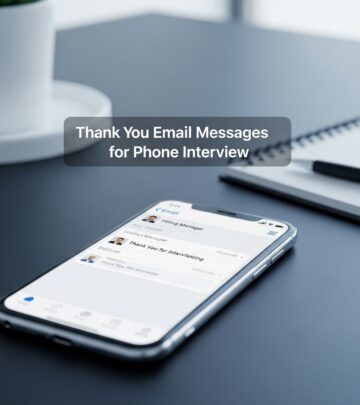
Here is an example of a group interview thank-you email that delivers professionalism while maintaining a slightly more conversational tone appropriate for email communication:
Subject: Thank You – Marketing Manager Interview
Dear Sharon, David, and Jennifer,
I want to express my sincere appreciation for the time you spent with me yesterday to discuss the Marketing Manager position. It was truly rewarding to meet with such an accomplished and collaborative team.
I was particularly impressed by Sharon’s explanation of how your team designs and optimizes digital marketing campaigns. The innovative approach you’re taking with voice search optimization to increase content visibility is exactly the kind of forward-thinking strategy I’m passionate about implementing. David’s insights into customer analytics and Jennifer’s perspective on brand positioning were also incredibly valuable and helped me gain a deeper understanding of your department’s goals and challenges.
Our discussions have further solidified my enthusiasm for joining your team. I’m confident that my background in digital marketing strategy, content development, and data analysis positions me well to contribute meaningfully to your marketing initiatives.
Thank you again for this wonderful opportunity. I would welcome any follow-up conversations about how I can support your team’s objectives. Please don’t hesitate to reach out if you need any additional information from me.
Best regards,
Alex Martinez
alex.martinez@email.com
(555) 123-4567
LinkedIn: linkedin.com/in/alexmartinez
Key Elements That Make Your Letter Stand Out
Specificity and Personalization
Generic thank-you letters rarely make an impression. Instead, reference specific moments, questions, or comments from your conversation with each panel member. This demonstrates genuine engagement and helps the hiring team remember you as a thoughtful, attentive candidate. The more specific your references, the more authentic and compelling your letter will be.
Professional Tone with Genuine Warmth
Strike a balance between professional formality and authentic gratitude. Your letter should be respectful and polished, but it shouldn’t sound robotic or overly stiff. Let your genuine appreciation for the opportunity shine through while maintaining appropriate professional boundaries.
Clear Connection Between Your Skills and the Role
Use your thank-you letter to reinforce how your qualifications align with the position’s requirements. Rather than simply restating what’s on your resume, explain how your specific experiences and skills make you uniquely suited to succeed in this role and contribute to the team’s success.
Common Mistakes to Avoid
When writing your group interview thank-you letter, be mindful of these common pitfalls:
- Sending generic letters to multiple recipients: Customize each message to reflect your specific conversation with that person. A cookie-cutter approach can feel impersonal and dismissive.
- Waiting too long to send: Send your thank-you letter within 24 hours of the interview. Waiting several days diminishes its impact and suggests a lack of enthusiasm.
- Making it too long: Keep your letter concise and focused. Three to four paragraphs are typically sufficient. Lengthy letters may lose the reader’s attention.
- Introducing new information or excuses: Don’t use the thank-you letter to provide explanations for perceived weaknesses in your interview performance. Focus on reinforcing your strengths and fit for the role.
- Neglecting proofreading: Grammatical errors and typos can significantly damage your professional image. Always proofread your letter multiple times before sending.
- Being overly casual: While warmth is appropriate, maintain a professional tone. Avoid slang, excessive exclamation marks, or overly familiar language.
Subject Line Examples for Different Industries
| Industry | Subject Line Example |
|---|---|
| Finance | Thank You – Financial Analyst Interview |
| Technology | Thank You – Senior Software Engineer Interview |
| Healthcare | Thank You – Registered Nurse Position Interview |
| Human Resources | Thank You – HR Manager Panel Interview |
| Marketing | Thank You – Marketing Manager Interview |
| Sales | Thank You – Sales Manager Interview |
Tips for Different Interview Scenarios
After a Formal Corporate Panel Interview
For traditional corporate environments, maintain a formal and polished tone throughout your letter. Use full names and titles, and focus on how your professional achievements and expertise align with the company’s strategic objectives. Reference specific business challenges discussed and explain how you could contribute to solving them.
After a Creative or Startup Interview
In creative or startup environments, you can adopt a slightly more conversational and personable tone while still maintaining professionalism. Show enthusiasm and energy, and emphasize your passion for innovation and collaborative teamwork. Feel free to be more authentic and let your personality shine through appropriately.
After a Casual or Informal Interview
When the interview was conducted in a casual setting, such as over coffee or lunch, match that tone in your thank-you message while remaining professional. Reference the relaxed nature of your conversation and the personal connections you made with the interviewers. This approach acknowledges the informal setting while still demonstrating respect and professionalism.
Frequently Asked Questions
Q: Should I send individual thank-you letters to each panelist or one group email?
A: Individual thank-you emails or letters are generally more effective because they allow you to personalize your message with specific references to your conversation with each interviewer. However, if there are more than three or four panelists, a well-crafted group email with individual customization is acceptable. The key is to make each recipient feel that your message was thoughtfully written with them in mind.
Q: What if I forgot to get contact information from one of the panelists?
A: Check the company’s website, LinkedIn, or the company directory to find the missing contact information. If you still can’t locate it, you can send your thank-you to the main HR contact or the person who coordinated the interview and ask them to pass along your message. You can also mention in a separate email that you’d like to send a thank-you to the missing panelist if they can provide the information.
Q: How long should my thank-you letter be?
A: Your thank-you letter should typically be between three to four paragraphs, or approximately 150 to 250 words. This length is long enough to be meaningful and specific but short enough to respect the recipient’s time. If you’re sending an email, slightly shorter messages (2-3 paragraphs) are often more effective than longer emails that might be skimmed rather than fully read.
Q: What should I do if I made a mistake or gave an unclear answer during the interview?
A: You can gently clarify your answer in the thank-you letter, but avoid dwelling on perceived mistakes. For example, you might write: “Upon further reflection on your question about project management experience, I’d like to clarify that I led a team of five developers on a major software implementation project.” However, don’t use the thank-you letter as an opportunity to make excuses or extensively re-explain every answer you gave.
Q: Should I mention salary, benefits, or start date in my thank-you letter?
A: No, your thank-you letter should focus on your interest in the position, your qualifications, and your appreciation for the opportunity. Discussions about salary, benefits, and start dates should only occur during formal offer negotiations, not in a thank-you letter.
Q: Is it better to send a thank-you email or a physical letter?
A: Email is generally the preferred method in today’s professional environment because it ensures immediate delivery and is easier for recipients to respond to. However, a formal typed or handwritten letter sent through traditional mail can be particularly memorable in certain industries or situations where you want to demonstrate exceptional effort and thoughtfulness. Consider the company culture and industry norms when deciding which method to use.
Q: When should I send my thank-you letter?
A: Send your thank-you letter within 24 hours of your group interview. This timing ensures that the interview is still fresh in everyone’s mind and demonstrates your enthusiasm and promptness. If you’re sending physical letters, mail them the same day or the next business day to minimize delivery delays.
Q: Can I send the same thank-you email to all panelists?
A: While you might use a similar template and structure, you should personalize each email with specific references to your individual conversation with each panelist. Sending identical emails to multiple recipients can seem impersonal and generic, potentially diminishing your candidacy. Taking the time to customize each message demonstrates genuine interest and attention to detail.
References
- How To Write Panel or Group Interview Thank-You Letters — Indeed Career Advice. 2024. https://www.indeed.com/career-advice/interviewing/group-interview-thank-you-letter
- How to Send a Thank-you Email After a Panel Interview — The Muse. 2024. https://www.themuse.com/advice/panel-interview-thank-you-email
- 20 Post-Interview Thank You Email Examples for Any Situation — MailTracker. 2024. https://www.getmailtracker.com/blog/post-interview-thank-you-email
- Three Templates for A Perfect Interview Thank You Email — Mac’s List. 2024. https://www.macslist.org/interviews/three-killer-templates-interview-thank-you-emails
- Interview Follow-Up: Thank-You Notes — Harvard Law School Office of Public Interest Advising. 2024. https://hls.harvard.edu/bernard-koteen-office-of-public-interest-advising/opia-job-search-toolkit/interview-follow-up-thank-you-notes/
Similar Articles








Read full bio of Sneha Tete