Salvage Titles: 5 Steps To Evaluate And Buy Safely
Discover what salvage titles mean for car buyers, from definitions and risks to smart buying strategies and state variations.
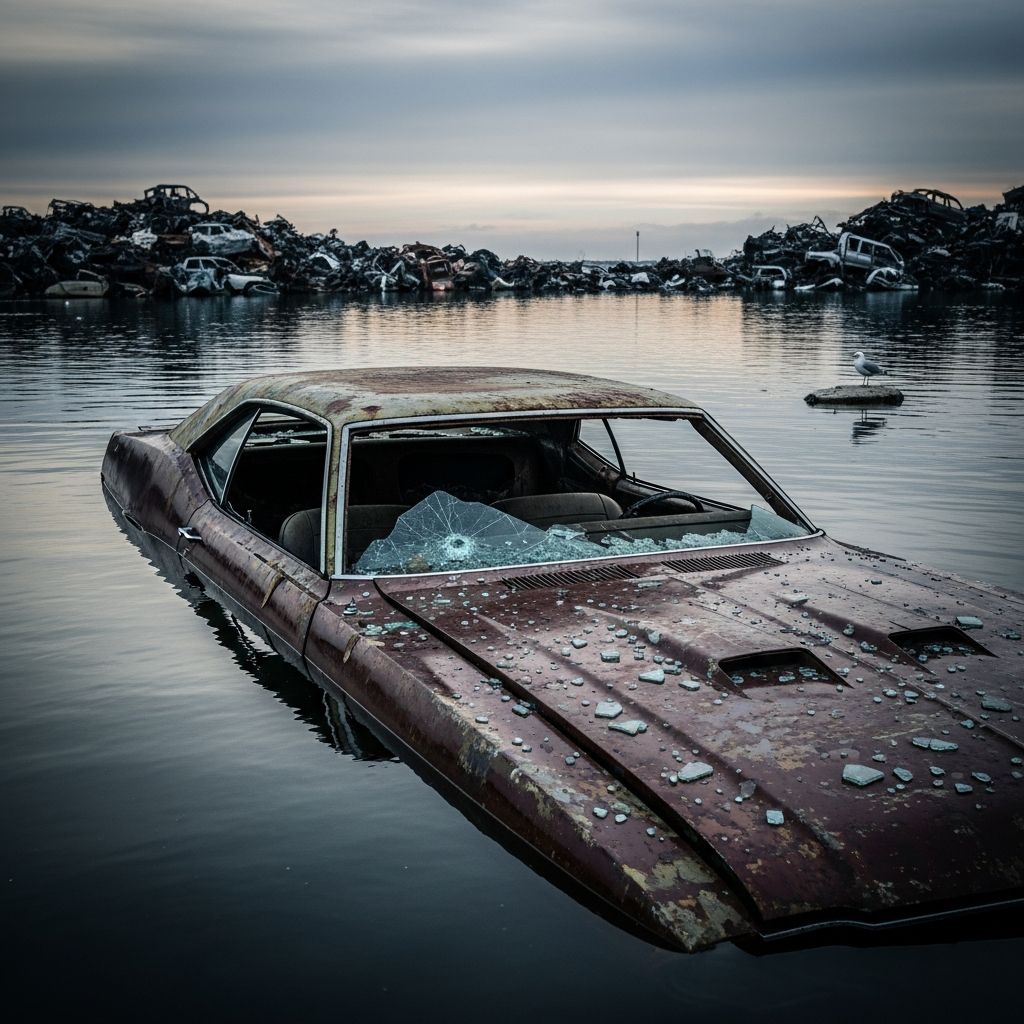
Understanding salvage titles is crucial for anyone navigating the used car market. These branded titles mark vehicles that insurers have declared total losses due to severe damage, affecting their value, insurability, and safety. This guide breaks down everything from origins to practical considerations, helping you make informed decisions.
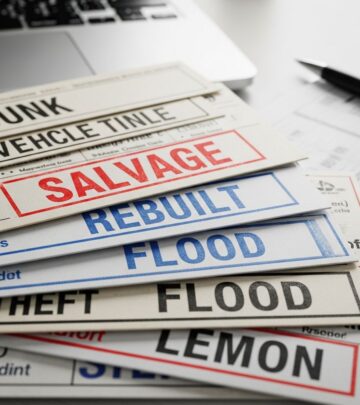
Defining Salvage and Related Title Brands
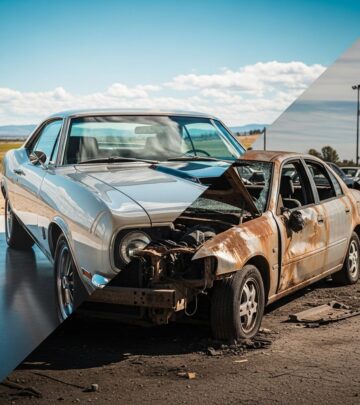
A salvage title brands a vehicle as having sustained damage so extensive that repair costs exceed a significant portion of its market value, often 70-75% or more, leading an insurance company to declare it a total loss.
State thresholds vary: some use 50%, others up to 95%, while ‘total loss states’ leave it to insurers. In Michigan, damage between 75-90% triggers salvage status, over 91% results in a ‘scrap’ title. Oregon brands vehicles salvage if they’ve lost 70% value or are abandoned worth under $500.
- Collision damage: From major accidents where frame or structural harm makes fixes uneconomical.
- Environmental damage: Flooding, fire, or hail that infiltrates systems or structures.
- Theft recovery: Stolen vehicles recovered after insurers pay claims, often missing parts.
- Vandalism or other: Severe defacement or warranty returns, though not always specified on titles.
Distinct from salvage is the non-repairable or ‘junk’ title for vehicles with no practical resale value beyond parts; these cannot be rebuilt for road use.
The Journey from Damage to Roadworthy: Rebuilt Titles
Salvage vehicles cannot be driven legally until repaired and inspected. Owners or buyers must restore them, then pass a state-mandated safety check.
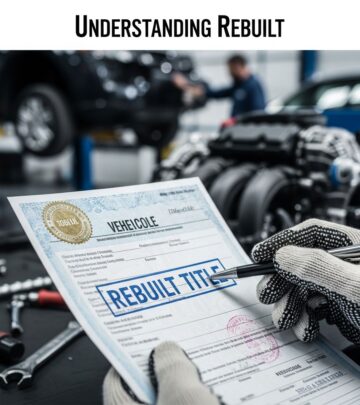
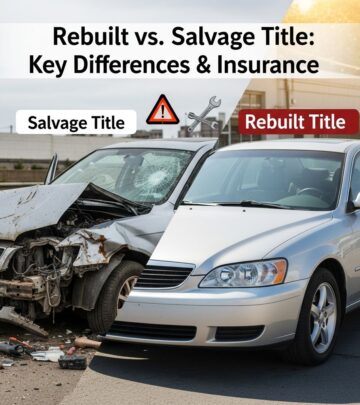
Certified mechanics verify repairs against original damage reports. Passing yields a rebuilt, reconstructed, or prior salvage title, indicating the car is now drivable but with a branded history.
| Stage | Description | Legal Status |
|---|---|---|
| Salvage | Declared total loss, unrepaired | Not drivable |
| Repaired | Fixed but uninspected | Not drivable |
| Rebuilt | Inspected and certified safe | Drivable with restrictions |
Junk-titled vehicles, if somehow restored, receive new VINs and titles as ‘self-assembled,’ with mismatched original markings.
Financial Implications: Value and Resale Challenges
Salvage brands drastically reduce value. Industry guides like Kelley Blue Book rate them as ‘poor’ with zero standard value, typically 65-75% below clean-title equivalents. Rebuilt titles fetch 60-70% of fair market value.
Resale is tough: buyers hesitate due to hidden issues, and many states require disclosure. Title washing—rerouting through lax jurisdictions or exports to erase brands—is legal but risky and detectable via VIN checks.
Insurance Hurdles for Salvage Vehicles
Insuring salvage or rebuilt cars is possible but limited. Many providers offer only liability coverage, excluding collision or comprehensive due to safety concerns like compromised airbags.
Premiums rise, payouts are minimal, and extended warranties are unavailable—purchases are strictly ‘as-is.’ Shop specialty insurers familiar with branded titles.
State-by-State Variations in Regulations
No uniform national standard exists; rules differ widely.
- Some states mandate salvage for theft/vandalism after 21 days unrecovered.
- Indiana requires certified inspections for rebuilt status.
- Texas brands if repairs exceed value or insurer totals it.
Always check your state’s DMV for thresholds, inspection processes, and disclosure laws.
Pros and Cons of Purchasing Salvage or Rebuilt Vehicles
Attractive low prices tempt budget buyers, but risks loom large.
| Pros | Cons |
|---|---|
| 20-40% cheaper upfront | 60-75% value loss |
| Potential for capable mechanics to restore well | Hidden structural flaws |
| Parts availability from auctions | Insurance limitations |
| Resale difficulties |
Weigh if savings offset long-term costs.
Steps to Evaluate a Salvage-Titled Vehicle
- Run VIN checks: Use NMVTIS or Carfax for history.
- Professional inspection: Hire mechanics experienced in frames/electrics.
- Review docs: Damage reports, repair receipts, inspection certificates.
- Test extensively: Drive, scan electronics, check safety systems.
- Compare values: Use guides adjusted for brands.
Frequently Asked Questions
Can I drive a salvage title vehicle?
No, until rebuilt and inspected.
Is a rebuilt title the same as salvage?
No—rebuilt means repaired and certified safe, but still branded.
Will banks finance salvage cars?
Rarely; most require clean titles. Credit unions or specialty lenders may.
How to spot title washing?
Cross-check VIN across state/NMVTIS databases; mismatches signal issues.
Are salvage cars always unsafe?
Not if properly rebuilt, but risks of subpar repairs persist.
Final Thoughts for Smart Buyers
Salvage titles offer bargains but demand diligence. Prioritize thorough inspections and accept limitations on insurance/resale. For most, clean titles provide peace of mind; for savvy buyers, salvages can work with caveats.
References
- Salvage Title Meaning | Indy Auto Man, Indianapolis — Indy Auto Man. 2023. https://www.indyautoman.com/blog/salvage-title-meaning
- What Is a Car Salvage Title and Is It Bad? — Car and Driver. 2023-10-12. https://www.caranddriver.com/auto-loans/a41613291/what-is-car-salvage-title/
- What Is a Salvage Title Vehicle and Are They Worth Buying? — Edmunds. 2024. https://www.edmunds.com/car-buying/what-is-a-salvage-title-vehicle.html
- Salvage title — Wikipedia. 2025-01-15. https://en.wikipedia.org/wiki/Salvage_title
- Pros and Cons of Buying a Vehicle with a Salvage Title — CBAC. 2025-07. https://www.cbac.com/bedford/media-center/blog/2025/july/pros-and-cons-of-buying-a-vehicle-with-a-salvage/
Similar Articles








Read full bio of Sneha Tete