Salvage Title Vehicles: 5-Step Buyer Checklist And Risks
Explore salvage title vehicles: definitions, repair processes, insurance hurdles, and smart buying strategies for potential savings.
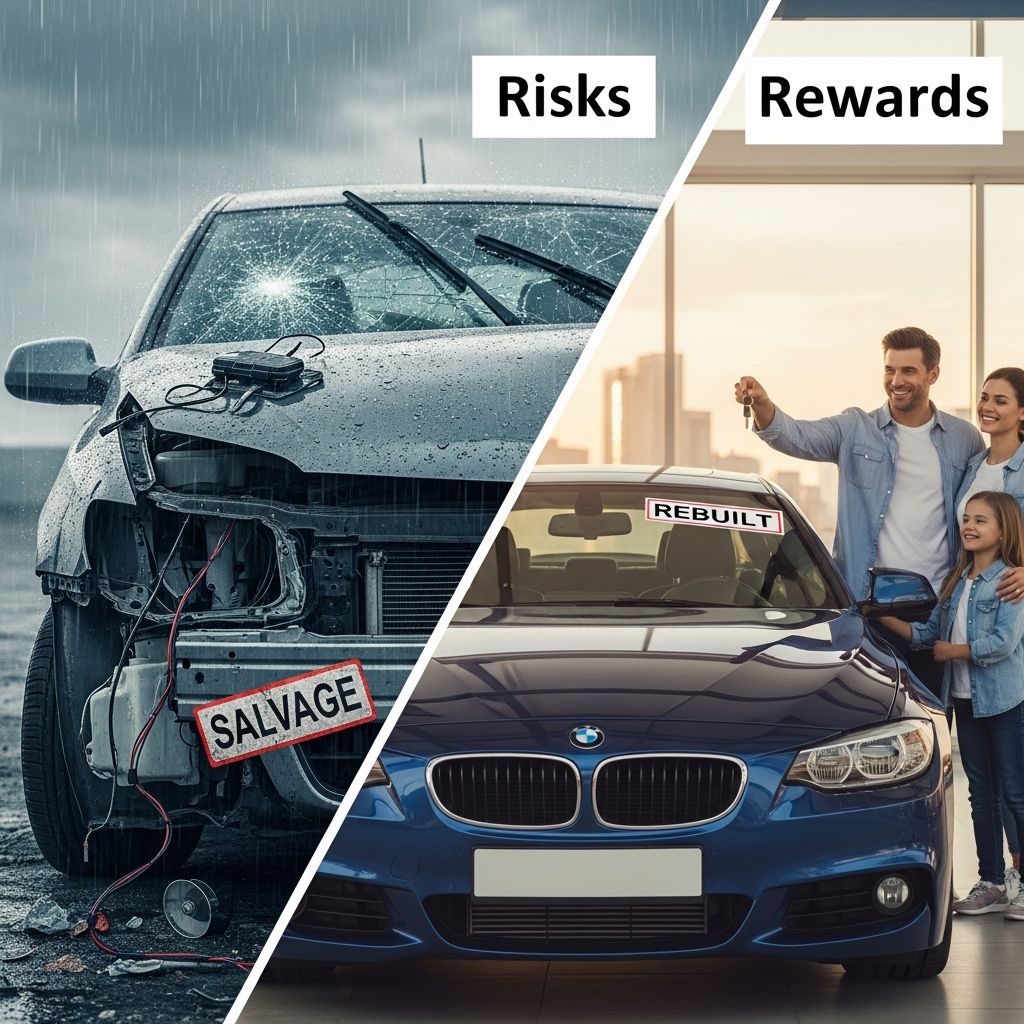
Salvage title vehicles represent a unique segment of the used car market, offering steep discounts but carrying substantial uncertainties. These cars have been branded by insurers as total losses due to damage exceeding a certain percentage of their value, often making them appealing for cost-conscious buyers yet risky for everyday drivers.
Defining a Salvage Title Vehicle
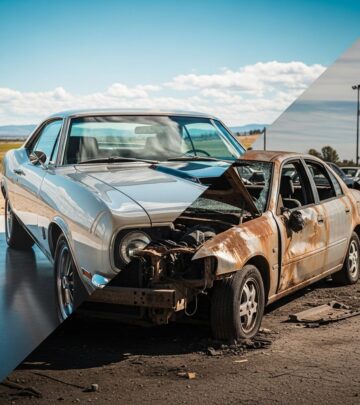
A salvage title serves as a permanent record on a car’s ownership documents indicating it was once declared a total loss by an insurance provider. This branding occurs when repair expenses surpass the vehicle’s actual cash value, typically around 75% or more, though thresholds vary by jurisdiction. Insurers issue this status after events like severe collisions, floods, fires, or theft recoveries where parts were stripped.
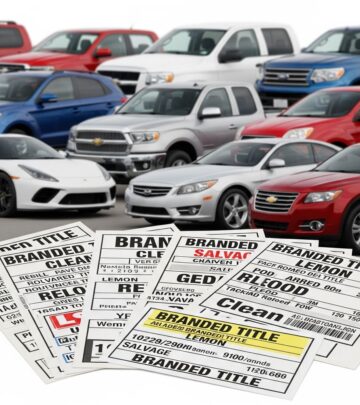
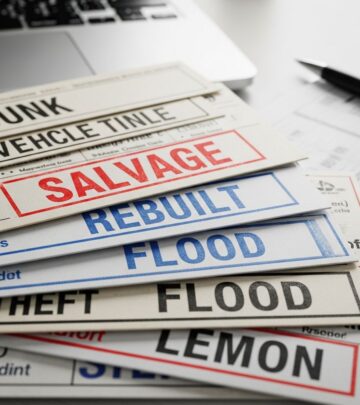
Unlike standard clean titles, salvage brands alert potential owners to prior major impairments. The designation prevents legal operation on public roads until extensive fixes and official inspections restore roadworthiness. Some regions distinguish between salvage certificates—temporary markers for non-drivable cars—and full titles, but the core implication remains: significant past trauma.
Common Triggers for Salvage Branding
- Collision Impacts: High-speed crashes crumple frames, deploy multiple airbags, and demand costly structural realignments.
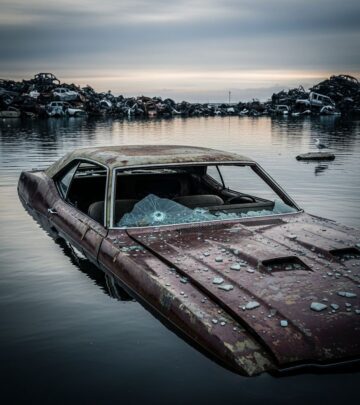
- Natural Disasters: Floodwaters corrode electronics and engines, while hail dents exteriors beyond economical repair.
- Fire Exposure: Even partial burns can warp components and compromise safety systems.
- Theft Recovery: Recovered stolen cars often lack vital parts, pushing repair costs over the edge.
- Vandalism or Wear: Extreme cases like heavy fleet use or deliberate destruction qualify in select states.
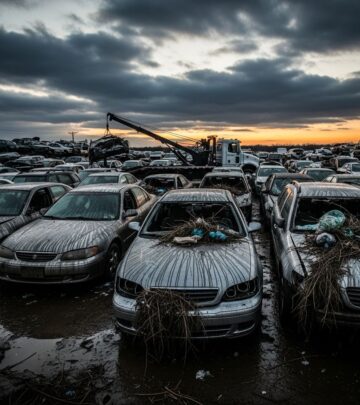
These incidents lead insurers to “total” the vehicle, paying out claims and auctioning it off for parts or rebuilding. Buyers at salvage auctions range from scrappers dismantling for components to skilled rebuilders aiming for resale.
From Salvage to Rebuilt: The Restoration Journey
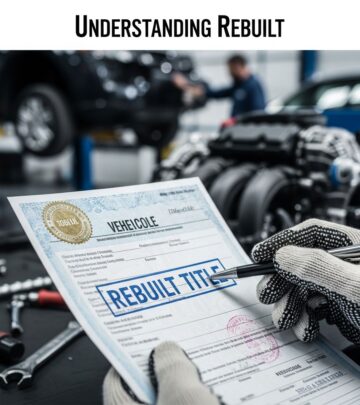
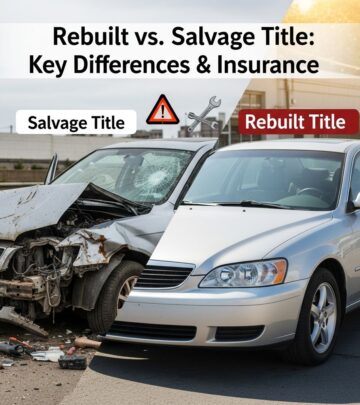
Converting a salvage title to a rebuilt one demands rigorous repairs followed by state-mandated safety checks. Rebuilders replace damaged panels, rewire electronics, and test critical systems like brakes and airbags. Passing inspection upgrades the title to “rebuilt,” “reconstructed,” or “revived salvage,” signaling it’s now legally drivable.
| Aspect | Salvage Title | Rebuilt Title |
|---|---|---|
| Drivability | Not street-legal | Passed safety inspection |
| Repair Status | Unrepaired total loss | Repaired and certified |
| Resale Value | 20-50% of clean title equivalent | 30-70% of clean title equivalent |
| Insurance Availability | None for standard policies | Limited or higher rates |
Note: Value discounts stem from market perceptions of hidden defects, with rebuilt cars still fetching less than unbranded peers. State variations abound; for instance, California issues “salvage certificates” initially, requiring “revived” status post-repair.
State-by-State Variations in Regulations
No uniform national standard governs salvage titles, leading to patchwork rules across the U.S. Most states brand at 70-100% of pre-damage value, but specifics differ. South Carolina specifies subtypes like “flood salvage,” while others lump all under generic “salvage”.
Inspection processes also vary: some mandate specialized facilities, others allow certified mechanics. “Title washing” poses risks, where vehicles move interstate to shed branding via lax re-registration. Always verify history via VIN checks from services like CARFAX, which flag salvage records nationwide.
Pros of Purchasing Salvage or Rebuilt Vehicles
- Price Advantage: Savings of 20-60% versus comparable clean-title models make them bargains for projects.
- Part Availability: Auctions yield luxury or rare models at fractions of retail.
- Customization Potential: Ideal for DIY enthusiasts overhauling to personal specs.
Enthusiasts often rebuild high-end cars, achieving premium features at economy prices after personal labor investments.
Critical Drawbacks and Hidden Dangers
Despite allure, salvage cars harbor pitfalls. Structural weaknesses may persist post-repair, elevating crash risks. Flood-damaged electronics fail intermittently, and frame misalignments evade basic inspections. Resale proves tough, with buyers shunning branded titles.
- Insurance Barriers: Many carriers refuse coverage or charge premiums 2-3x higher; liability-only options dominate.
- Financing Rejections: Banks view them as high-risk, limiting loans.
- Long-Term Reliability: Undeclared issues surface later, inflating ownership costs.
Insurance Realities for Branded Titles
Securing policies on salvage vehicles is challenging. Pure salvage cars can’t be insured for comprehensive or collision; rebuilt ones may qualify but face scrutiny. Shop insurers specializing in high-risk autos, providing repair receipts and inspection docs. Expect gaps in coverage, like denied theft protection on theft-recovered units. Progressive notes rebuilt status is prerequisite, with options beyond liability scarce.
Steps to Evaluate a Potential Buy
- Run Comprehensive Reports: Use VIN-based services to confirm damage history and title path.
- Professional Assessment: Hire mechanics for frame checks, scans, and test drives.
- Review Paperwork: Demand receipts, inspection certificates, and auction docs.
- Test Extensively: Drive in varied conditions; monitor for odd noises or handling.
- Check Local Laws: Confirm registration feasibility in your state.
Prioritize cars with transparent rebuilds over mystery salvage hulks. Budget extra 20-30% of purchase price for unforeseen fixes.
Who Thrives with Salvage Purchases?
Mechanically adept individuals or flippers excel here, leveraging skills to mitigate risks. Novice drivers or families fare poorly, as dependability trumps savings for daily transport. Commercial fleets occasionally adopt them for parts haulers, but passenger cars demand caution.
FAQs on Salvage Title Vehicles
Can I drive a car with a salvage title?
No, salvage titles prohibit road use until rebuilt and inspected.
How much cheaper are rebuilt cars?
Typically 30-50% less than clean equivalents, varying by model and repair quality.
Will banks finance salvage vehicles?
Rarely; most require rebuilt status and still hesitate.
Is title washing legal?
No, but it occurs via interstate loopholes; federal efforts curb it.
What if my car gets totaled?
Opt to keep it with salvage title or take payout; repairs needed for reuse.
Final Buying Checklist
| Green Flags | Red Flags |
|---|---|
| Full repair docs | Missing history |
| Recent inspection pass | Flood or frame damage |
| Reputable seller | Auction-direct buy |
| Multiple test drives OK | Rushed sale |
Weigh savings against reliability needs. For most, clean titles offer peace of mind; salvage suits the bold and handy.
References
- Salvage Title Meaning — Indy Auto Man. 2023. https://www.indyautoman.com/blog/salvage-title-meaning
- What Is a Salvage Title Vehicle and Are They Worth Buying? — Edmunds. 2024-01-15. https://www.edmunds.com/car-buying/what-is-a-salvage-title-vehicle.html
- Rebuilt Title vs. Salvage Title: What’s the Difference? — Autotrader. 2023-05-10. https://www.autotrader.com/car-shopping/rebuilt-title-vs-salvage-title-whats-difference-281474979846034
- What Is a Salvage Title? — CARFAX. 2024. https://www.carfax.com/buying/salvage-title
- Salvage title — Wikipedia. 2025-02-01. https://en.wikipedia.org/wiki/Salvage_title
- How to Get a Salvage Title — Progressive. 2024-11-20. https://www.progressive.com/answers/how-to-get-a-salvage-title/
Similar Articles








Read full bio of medha deb