Sales and Purchase Agreement: Definition and Key Components
Understanding Sales and Purchase Agreements: Essential legal documents for business transactions and property deals.

What Is a Sales and Purchase Agreement?
A Sales and Purchase Agreement (SPA), commonly known as a purchase agreement or sales contract, is a legally binding document that outlines the terms and conditions under which one party agrees to sell goods, services, or property to another party. This comprehensive agreement serves as the backbone of virtually any significant commercial transaction, whether involving the sale of a business, real estate, equipment, or other valuable assets. The SPA establishes clear expectations for both the buyer and seller, reducing ambiguity and providing legal recourse if either party fails to fulfill their obligations.
The significance of a Sales and Purchase Agreement cannot be overstated in modern commerce. It transforms a verbal agreement or preliminary understanding into a concrete, enforceable legal contract. By documenting all essential terms and conditions in writing, both parties gain clarity about what will be delivered, when, at what price, and under what circumstances. This documentation is particularly crucial in complex transactions where substantial sums of money or valuable assets are involved, as it provides protection and certainty for all parties engaged in the transaction.
Key Components of a Sales and Purchase Agreement
Understanding the critical elements of a Sales and Purchase Agreement is essential for anyone involved in a transaction. These components form the foundation of the contract and ensure comprehensive coverage of all important aspects:
Parties to the Agreement
The agreement must clearly identify the buyer and seller, including their full legal names and business addresses. This section may also specify whether parties are individuals, corporations, partnerships, or other legal entities, which is important for determining liability and enforcing the contract.
Description of the Asset or Property
A precise and detailed description of what is being sold is fundamental. For real estate transactions, this includes the property address, legal description, square footage, and any included fixtures or improvements. For business sales, it specifies which assets, intellectual property, contracts, and liabilities are included. Ambiguity in this section can lead to disputes about what was actually supposed to be transferred.
Purchase Price and Payment Terms
The agreement must state the total purchase price and outline how and when payment will be made. This section details:
- The total consideration or purchase price
- The form of payment (cash, check, wire transfer, or alternative consideration)
- Payment schedule if made in installments
- Any deposits or earnest money required upfront
- Conditions triggering final payment
Closing Date and Timeline
The agreement specifies when the transaction will be completed, known as the closing date. This section also outlines important interim deadlines, such as when inspections must be completed, financing must be secured, and when title transfer will occur. Clear timelines prevent indefinite delays and ensure transaction momentum.
Representations and Warranties
Both parties make representations—statements about facts they claim are true. These warranties provide assurances about the condition and ownership of the asset being sold. For instance, a seller might warrant that they have clear title to the property, that there are no outstanding liens or encumbrances, and that the property complies with applicable laws and regulations. These representations give the buyer recourse if the representations prove false.
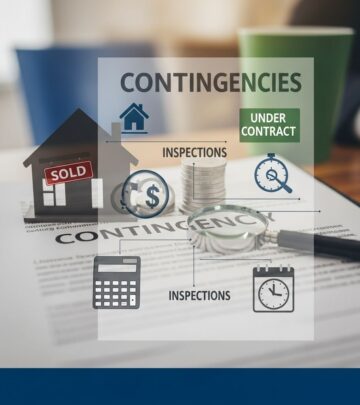
Conditions Precedent
These are contingencies that must be satisfied before the transaction is obligated to close. Common conditions include:
- Successful completion of inspections or due diligence
- Obtaining necessary financing
- Securing required permits or licenses
- Third-party consents or approvals
- No material adverse changes to the business or property
Covenants and Obligations
This section outlines the specific actions each party must take before closing, such as maintaining insurance, preserving the condition of the property, cooperating with inspections, and providing required documentation or information.
Allocation of Risk
The agreement should clarify who bears responsibility for various risks until closing. This includes who maintains insurance, who pays property taxes, and who is responsible if the property is damaged or destroyed before the sale is completed.
Indemnification Provisions
These clauses protect one party from losses caused by the other party’s breach of the agreement or misrepresentation. Indemnification provisions often survive closing and are crucial protections in business sales.
Types of Sales and Purchase Agreements
Different types of transactions require different agreement structures:
Real Estate Purchase Agreements
These agreements govern the sale of residential or commercial property. They typically include extensive provisions regarding property condition, title insurance, escrow arrangements, and homeowner association disclosures for residential sales.
Business Purchase Agreements
Also called acquisition agreements, these cover the purchase of a business, whether structured as an asset purchase or stock purchase. They include detailed representations about financial performance, contracts, liabilities, and often substantial indemnification provisions.
Equipment or Chattels Purchase Agreements
These simpler agreements cover the sale of personal property such as vehicles, machinery, or inventory. They may include warranties, return periods, and specific terms regarding delivery and installation.
Critical Benefits and Protections
A well-drafted Sales and Purchase Agreement provides numerous protections and benefits:
- Legal Clarity: Written terms eliminate misunderstandings and provide clear evidence of what was agreed upon
- Financial Protection: Terms regarding deposits and payment schedules protect both parties’ financial interests
- Title Verification: Provisions ensuring clear title protect buyers from inheriting encumbrances or ownership disputes
- Contingency Protection: Condition precedent clauses allow buyers to exit if critical conditions aren’t met
- Dispute Resolution: The agreement provides a framework for resolving disagreements through specified remedies
- Risk Allocation: Clear assignment of responsibility reduces uncertainty and potential conflict
Common Issues and Disputes
Despite careful drafting, disputes can arise from Sales and Purchase Agreements:
Interpretation Disputes: Ambiguous language can lead to conflicting interpretations of what was agreed. This is why precise, specific language is critical.
Breach of Representations: If seller representations prove false after closing, buyers may seek damages or rescission. Survival clauses determine how long after closing representation claims can be made.
Title Issues: Undisclosed liens, encumbrances, or ownership claims can emerge after closing, making title insurance and proper due diligence essential.
Contingency Failures: Disputes arise when one party claims a contingency has failed while the other disputes that characterization.
Due Diligence and Inspections
The Sales and Purchase Agreement typically includes provisions for buyer due diligence, which may include:
- Property inspections for physical condition
- Environmental assessments for potential contamination
- Title searches and surveys
- Appraisals to verify value
- Review of financial statements and contracts
- Verification of regulatory compliance
These inspections provide buyers the opportunity to verify that what they’re purchasing meets expectations and doesn’t contain hidden defects or liabilities.
Closing Process and Execution
The closing process brings the Sales and Purchase Agreement to fruition. During closing, the parties execute the deed or other title transfer documents, exchange funds, and formalize the transaction. Escrow services often hold funds and documents until all conditions are met, protecting both parties.
Tax Considerations
Sales and Purchase Agreements often include provisions addressing tax implications, including:
- Allocation of purchase price among different asset categories (important for depreciation and tax basis)
- Allocation of assumed liabilities
- Representations regarding tax compliance and potential tax liabilities
- Responsibility for obtaining tax clearance certificates where required
Frequently Asked Questions
Q: What is the difference between a Sales and Purchase Agreement and a purchase contract?
A: These terms are often used interchangeably. A Sales and Purchase Agreement is a comprehensive purchase contract that details all terms and conditions of the transaction. Purchase contracts may refer more broadly to any agreement for the sale of goods or property.
Q: Can a Sales and Purchase Agreement be changed after it’s signed?
A: Yes, both parties can modify the agreement through a written amendment or addendum signed by both parties. Without mutual consent, however, the original terms remain binding.
Q: What happens if one party fails to complete the transaction?
A: The non-breaching party may pursue legal remedies including specific performance (forcing completion), damages, or rescission. Earnest money may also be forfeited in some circumstances.
Q: Is a Sales and Purchase Agreement necessary for small transactions?
A: While technically optional, even small transactions benefit from written agreements. They prevent misunderstandings and provide legal protection and documentation of the transaction.
Q: How long does a Sales and Purchase Agreement typically take to complete?
A: Timelines vary considerably depending on transaction complexity, financing requirements, and contingencies. Real estate transactions typically take 30-60 days, while business acquisitions may take several months.
Q: Should I hire an attorney to review a Sales and Purchase Agreement?
A: For significant transactions, legal review is highly recommended. Attorneys can identify risks, negotiate favorable terms, and ensure your interests are protected throughout the agreement.
Conclusion
A Sales and Purchase Agreement is far more than a formality—it is a critical legal instrument that protects both buyers and sellers in commercial transactions. By clearly documenting the terms, conditions, representations, and obligations of both parties, the agreement provides certainty, reduces disputes, and establishes a framework for successful transaction completion. Whether you’re purchasing real estate, acquiring a business, or buying valuable equipment, understanding the components and importance of a comprehensive Sales and Purchase Agreement is essential for protecting your interests and ensuring a smooth transaction.
References
- Uniform Commercial Code (UCC) — Article 2: Sales — National Conference of Commissioners on Uniform State Laws. 2022. https://www.uniformlaws.org/acts/ucc-2
- Real Property Law — Chapter 45: Conveyance of Real Property — New York State Senate. 2024. https://www.nysenate.gov/legislation
- Model Stock Purchase Agreement — American Bar Association, Business Law Section. 2023. https://www.americanbar.org/groups/business_law/
- Principles of Contract Law: Formation, Performance, and Breach — Cornell Law School Legal Information Institute. 2024. https://www.law.cornell.edu/wex/contract
- Guide to Mergers and Acquisitions: Drafting and Negotiating Purchase Agreements — U.S. Chamber of Commerce. 2023. https://www.uschamber.com/
- Property Rights and Title Insurance in Real Estate Transactions — American Land Title Association. 2024. https://www.alta.org/
Similar Articles








Read full bio of medha deb