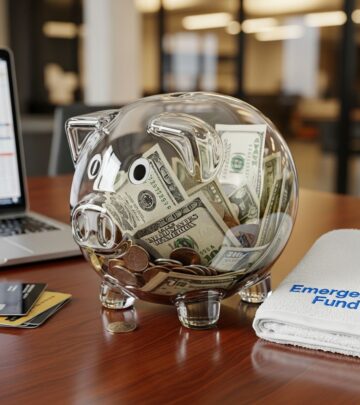
Safer Alternatives to Stashing Cash at Home
Discover secure, accessible ways to store your money beyond keeping it under the mattress, with options that offer protection and growth potential.
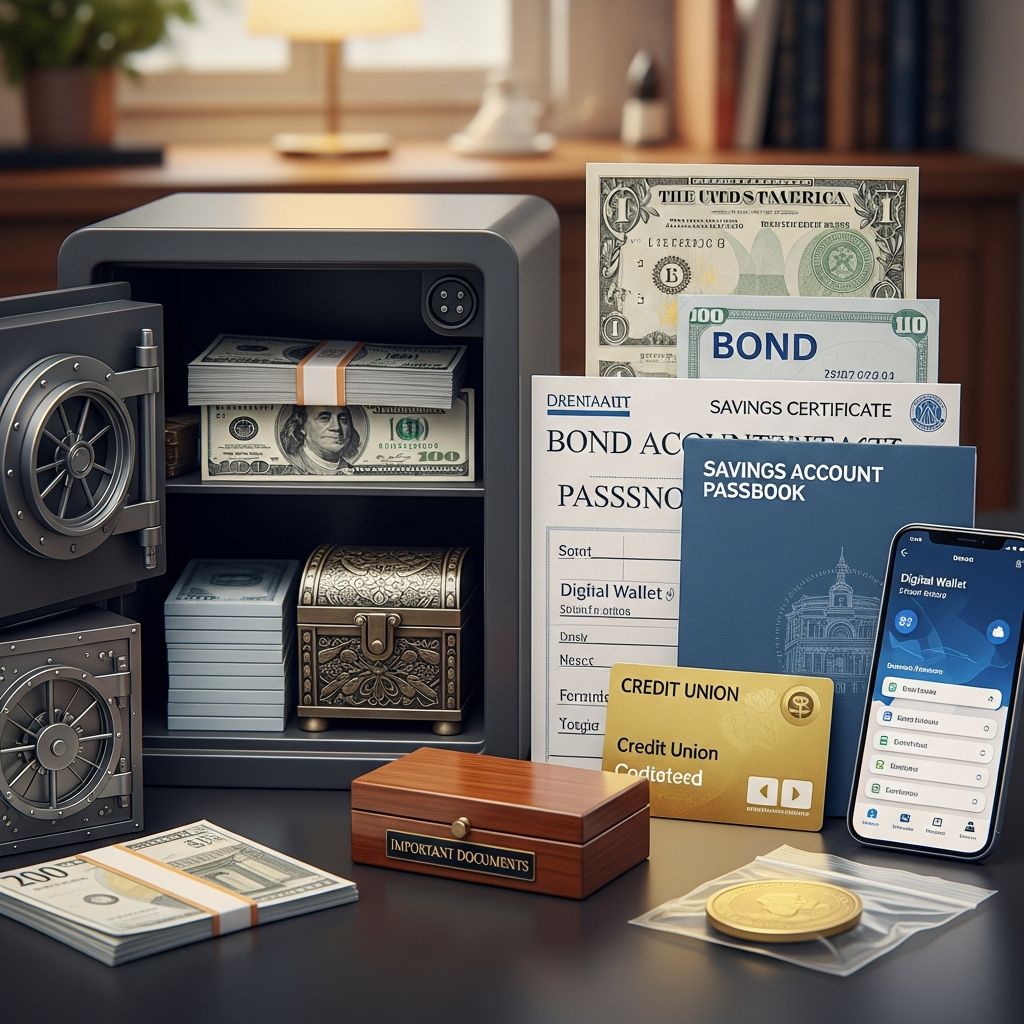
Keeping large amounts of cash in your home might seem convenient for quick access, but it exposes your savings to significant vulnerabilities such as theft, fire damage, or natural disasters. Financial experts consistently recommend shifting funds to insured, liquid alternatives that provide security through government-backed protections and opportunities for interest earnings. This approach not only safeguards your money but also allows it to grow modestly over time.
The Hidden Dangers of Home Cash Storage
Storing cash at home eliminates barriers to immediate use, yet this convenience comes at a steep cost. Without federal insurance, your funds lack protection against burglary or unforeseen events. For instance, a standard homeowner’s insurance policy typically covers only up to $1,000-$2,000 in cash losses, far short of substantial emergency reserves. Moreover, cash earns zero interest, eroding its purchasing power amid inflation rates often exceeding 2-3% annually.
- Theft vulnerability: Burglars target obvious hiding spots like mattresses or drawers, with U.S. burglary rates averaging over 700,000 incidents yearly.
- Physical damage: Fires or floods can destroy paper currency irreparably.
- Opportunity cost: Funds idle at home miss out on safe yields from bank products.
Transitioning to institutional options mitigates these issues while maintaining accessibility through ATMs, apps, and transfers.
Option 1: High-Yield Savings Accounts for Protected Growth
High-yield savings accounts (HYSAs) offered by online banks and credit unions represent one of the simplest upgrades from home storage. These accounts provide FDIC or NCUA insurance up to $250,000 per depositor, ensuring full recovery even if the institution fails. Current average annual percentage yields (APYs) hover around 4-5%, far surpassing traditional savings at 0.45%.
Opening an HYSA requires minimal paperwork—often just an online application with ID verification. Funds transfer instantly from linked checking accounts, and mobile apps enable 24/7 monitoring. Limitations include federal Regulation D, which caps withdrawals at six per month, though many banks have relaxed this post-2020.
| Feature | Traditional Savings | High-Yield Savings |
|---|---|---|
| APY | 0.01-0.45% | 4.00-5.25% |
| Insurance | FDIC/NCUA up to $250k | FDIC/NCUA up to $250k |
| Minimum Balance | Often $0 | Usually $0-$100 |
| Access | ATM/Transfer | ATM/Transfer/App |
For emergency funds targeting 3-6 months of expenses, HYSAs strike an ideal balance of liquidity and returns. Pair with auto-transfers to build habits effortlessly.
Option 2: Money Market Accounts for Higher Yields with Check Writing
Money market accounts (MMAs) blend savings security with checking-like features, making them suitable for those needing occasional check-writing or debit card access. Like HYSAs, MMAs carry FDIC/NCUA insurance and often yield 4-5% APY, though they require higher minimum balances—typically $1,000-$10,000—to avoid fees.
These accounts invest in low-risk securities like Treasury bills, providing stability. Transactions are limited similarly to savings accounts, but many include unlimited ATM withdrawals. Credit unions frequently offer competitive rates with member perks like free wires.
- Pros: Competitive APYs, check-writing (up to 3-6/month), debit cards.
- Cons: Higher minimums, potential monthly fees if balance dips.
Ideal for larger reserves where slight restrictions justify superior yields over basic savings.
Option 3: Prepaid Debit Cards for Cash-Like Convenience Without a Bank
For individuals wary of full banking ties, prepaid debit cards offer a bridge solution. Load cash onto cards like Netspend or Bluebird, usable anywhere Visa/Mastercard is accepted. Federal regulations protect registered cards up to $1,000 against unauthorized use if reported promptly, though coverage falls short of FDIC’s $250,000.
Fees vary: activation ($0-$5), monthly ($0-$10), reloads ($0-$4), and ATM withdrawals ($2-$3). Opt for no-fee versions from retailers like Walmart. These cards suit small emergency stashes—say, $500-$2,000—avoiding home risks while mimicking cash spending.
Digital enhancements include app-based budgeting tools and direct deposits, evolving prepaid into viable bank alternatives.
Comparing Your Best Storage Choices
| Option | Insurance Limit | Avg. APY | Accessibility | Best For |
|---|---|---|---|---|
| HYSA | $250,000 | 4.5% | High (Apps/Transfers) | Emergency Funds |
| MMA | $250,000 | 4.2% | Medium (Checks/ATM) | Larger Balances |
| Prepaid Card | $1,000 | 0% | High (Everywhere) | Small Cash Needs |
Building a Diversified Emergency Fund Strategy
Don’t place all funds in one basket. Allocate across options: 50% in HYSA for liquidity, 30% in MMA for yields, 20% on prepaid for immediacy. This diversification counters bank outages or access issues. Regularly review rates via sites like Bankrate, as they fluctuate with Fed policy.
Automate contributions post-paycheck to amass $10,000-$50,000 reserves painlessly. Track via apps like Mint for holistic oversight.
FAQs
How much cash should I keep at home?
Limit to $200-$500 for minor emergencies; shift the rest to insured accounts for safety and growth.
Are online banks safe?
Yes, if FDIC-insured. Verify via fdic.gov.
What’s the best HYSA rate today?
Rates exceed 5% at select online banks; compare annually.
Can prepaid cards earn interest?
Most don’t, but some partner with banks for yields.
How do I open an MMA?
Online in minutes with SSN and ID; fund via transfer.
Take Action Today for Financial Security
Relocate your cash now to harness insurance and interest. Start small: transfer $1,000 to an HYSA and monitor growth. Over time, these habits fortify your financial foundation against uncertainties.
References
- How Much Cash Should You Keep At Home? — Bankrate. 2024-10-15. https://www.bankrate.com/banking/how-much-cash-should-you-keep-at-home/
- 5 Smarter Places to Keep Your Emergency Fund — Eastex Credit Union. 2023-08-22. https://eastexcu.org/5-smarter-places-to-keep-your-emergency-fund/
- Your Deposits are Protected — Federal Deposit Insurance Corporation. 2026-01-10. https://www.fdic.gov/resources/deposit-insurance/
- Share Insurance Estimator — National Credit Union Administration. 2025-11-05. https://ncua.gov/analysis/share-insurance-fund-estimator
- Prepaid Account Agreements — Consumer Financial Protection Bureau. 2024-03-12. https://www.consumerfinance.gov/rules-policy/regulations/1005/18/
Similar Articles








Read full bio of medha deb