Safely Dispose Of Metal Credit Cards: Step-By-Step Guide
Discover secure methods to eliminate old metal credit cards and shield your financial data from identity thieves.

Metal credit cards symbolize premium banking perks, but when they expire, get replaced, or accounts close, proper disposal becomes essential to safeguard account numbers, chips, and stripes from fraudsters. Unlike plastic versions, these durable items resist standard destruction, demanding specialized approaches to render them unusable.
Why Proper Disposal Matters for Financial Protection
Intact cards hold critical data like 16-digit numbers, expiration dates, CVVs, and embedded chips that enable unauthorized transactions. Scammers can reconstruct or skim info from partially damaged cards, leading to identity theft costing Americans billions yearly. Federal guidelines from the FTC stress destroying financial instruments before discard to mitigate risks.
Premium issuers craft cards from stainless steel or titanium alloys for longevity and prestige, complicating home disposal. Neglecting this step exposes you to account takeovers, fraudulent charges, and credit score damage. Proactive destruction preserves your financial health amid rising cyber threats.
Preferred Method: Return to the Card Issuer
The most reliable disposal route involves shipping the card back to its originator, who handles industrial-level destruction. Many providers, including Chase for Sapphire Reserve, include prepaid return envelopes with new issuances or account openings.
- Request a prepaid envelope: Dial the customer service line on your card’s reverse or use secure online messaging if misplaced.
- Drop-off option: Visit a local branch for direct handover, confirmed safe by issuers like Chase.
- Account closure protocol: Inquire about return procedures during cancellation to ensure compliance.
This method guarantees secure processing via certified shredders or smelters, eliminating personal liability. Issuers track returns, providing peace of mind absent in self-handling.
DIY Destruction Techniques for Metal Cards
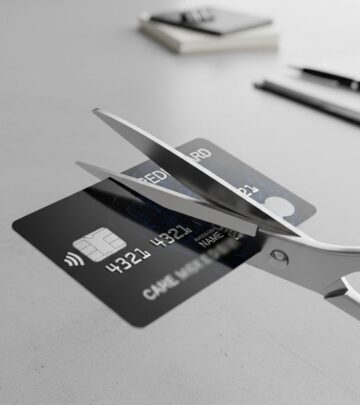
When issuer return isn’t feasible, personal demolition works with precautions. Target the EMV chip, magnetic stripe, and embossed numbers to obliterate data.
Using Heavy-Duty Cutting Tools
Tin snips or aviation snips slice through thin metal (typically 0.2-0.5mm thick). These shears, available at hardware stores, shear clean cuts without bending.
- Don safety gear: gloves, goggles against flying shards.
- Position card flat; snip lengthwise through chip and stripe.
- Cross-cut into quarters, then smaller fragments.
- Disperse pieces across multiple trash bins or recycling.
Chase cards explicitly warn against shredders, reinforcing manual cuts as viable.
Alternative Mechanical Methods
Lacking snips? Employ pliers to twist and mangle edges, or a hammer to dent chips. Drilling holes through data zones with a power tool ensures irrecoverability. These low-tech options suit most households without specialized gear.
| Method | Tools Needed | Pros | Cons |
|---|---|---|---|
| Tin Snips | Metal shears, safety wear | Precise, quick cuts | Requires purchase if absent |
| Pliers/Hammer | Household tools | Accessible, no cost | Less uniform destruction |
| Drill | Power drill, bits | Targets chip effectively | Noise, potential mess |
Common Pitfalls and Dangers to Avoid
Missteps in disposal amplify risks, from equipment damage to health hazards.
Household Shredders: A Costly Mistake
Consumer paper shredders jam on metal, risking motor burnout, overheating, or fires from friction sparks. Manufacturers void warranties for metal misuse; replacement costs exceed $100.
Third-Party Shredding Services: Risky Business
Outsourcing invites scams where operators retain skimmable data. Lacking oversight, these entities pose higher fraud vectors than self or issuer methods. Stick to verified issuer channels.
Burning: Toxic and Ineffective
Flames fail against heat-resistant alloys, leaving chips intact while emitting plastic fumes harmful to lungs and ozone. Sparks ignite surroundings; legally, open burning violates EPA rules in many areas.
- Avoid microwaves: Arcing damages appliances and incompletely erases data.
- Skip bending/snapping: Insufficient for modern stainless builds.
Special Considerations for Popular Metal Cards
Issuers vary protocols. Chase Sapphire Reserve mandates returns via prepaid mailers, noting “Do not shred” on-card. American Express Platinum and Centurion follow suit, offering envelopes. Capital One Venture X users confirm snips work post-issuer consult.
Verify via customer service: Premium lines often reimburse tool purchases or provide kits. Closed accounts? Document destruction photos for records.
Environmental and Legal Disposal Angles
Metal fragments recycle as scrap steel, but mix with organics to deter reassembly. U.S. e-waste laws (e.g., California’s SB20) classify cards as hazardous if chips contain rare earths; issuer returns comply automatically.
Internationally, EU WEEE directives echo secure handling. Post-destruction, monitor credit reports via AnnualCreditReport.com for anomalies.
FAQs
Can I recycle a destroyed metal credit card?
Yes, scatter tiny pieces into metal recycling bins after data obliteration. Avoid whole cards to prevent scanning.
What if my metal card is bent but intact?
Bending alone doesn’t destroy data; proceed to cuts or issuer return.
How do I know if my card is truly metal?
Premium cards (e.g., Chase Sapphire Reserve) weigh 12-20g vs. plastic’s 5g and resist scissors.
Is there a cost for issuer return envelopes?
No, prepaid postage covers it for most providers.
What about embedded NFC chips?
Cutting or drilling pierces them, disabling contactless functionality.
Proactive Steps Beyond Disposal
Pair destruction with freezes on credit files via Equifax, Experian, TransUnion. Enable transaction alerts and review statements weekly. Premium metal cards often include identity theft insurance—leverage it.
For collections, store defunct cards in locked safes minus data zones, or melt via jeweler for souvenirs (post-destruction).
References
- How to Destroy a Metal Credit Card — Experian. 2023-10-15. https://www.experian.com/blogs/ask-experian/how-to-destroy-a-metal-credit-card/
- How to destroy a metal credit card — The Points Guy. 2024-05-20. https://thepointsguy.com/credit-cards/how-destroy-metal-credit-card/
- Disposal methods for metal credit cards — Financial Wisdom Forum. 2025-12-03. https://www.financialwisdomforum.org/forum/viewtopic.php?t=128192
- How to properly destroy a metal credit card — Bankrate. 2024-08-12. https://www.bankrate.com/credit-cards/advice/how-to-dispose-of-metal-credit-card/
- What to Do With Expired or Old Credit Cards — Chase Bank. 2025-01-10. https://www.chase.com/personal/credit-cards/education/basics/what-to-do-with-old-credit-cards
Similar Articles








Read full bio of medha deb