Safeguarding Transactions: Key Security Layers in Digital Payments
Discover how encryption, tokenization, authentication, and AI-driven monitoring protect your digital payments from threats in today's fast-paced economy.
Digital payments have transformed how we shop, pay bills, and manage finances, offering speed and convenience. However, with rising cyber threats, robust security is crucial. This article delves into the primary defenses—encryption, tokenization, multi-factor authentication, and fraud detection systems—that ensure transactions remain protected.
Why Digital Payment Security Matters Today
In an era where data breaches expose millions of records, understanding security features empowers users and businesses alike. High-profile incidents, like the 2017 Equifax breach affecting over 140 million accounts, underscore vulnerabilities in traditional systems. Modern digital payments counter this with layered protections, reducing fraud risks and building trust.
These mechanisms not only prevent unauthorized access but also comply with standards like PCI DSS, which mandates secure handling of card data. Businesses adopting these see fewer chargebacks and enhanced customer loyalty.
Encryption: The Foundation of Data Protection
Encryption serves as the bedrock of secure digital transactions by converting readable data into coded formats unreadable without a decryption key. When you enter card details online, encryption scrambles them during transmission, ensuring interception yields gibberish.
Key protocols include Transport Layer Security (TLS), an evolution of SSL, which creates secure channels between devices and servers. TLS verifies identities and encrypts data end-to-end, vital for e-commerce and mobile apps.
- Symmetric encryption: Uses one key for encoding and decoding, ideal for speed in high-volume transactions.
- Asymmetric encryption: Employs public-private key pairs, enhancing security for initial handshakes.
- HTTPS implementation: Websites with HTTPS pads enforce encryption, signaled by browser lock icons.
For businesses, integrating TLS 1.3—the latest standard—minimizes vulnerabilities from outdated protocols. Regular updates prevent exploits like those in older SSL versions.
Tokenization: Replacing Sensitive Data with Safe Substitutes
Tokenization replaces actual payment details, such as card numbers, with unique, meaningless tokens. These tokens facilitate transactions without exposing real data, stored securely in isolated vaults.
The process involves three steps: generating a token from input data, vault storage of originals, and detokenization only when needed by authorized parties. This slashes breach impacts since stolen tokens are useless without vault access.
| Aspect | Traditional Card Data | Tokenized Approach |
|---|---|---|
| Storage Risk | High—direct exposure | Low—tokens meaningless |
| Transmission | Full PAN visible | Token only |
| Breach Impact | Severe data theft | Minimal usable info |
| Compliance | Complex PCI scope | Reduced requirements |
Digital wallets like Apple Pay exemplify this, tokenizing cards per merchant or device for granular control. Recurring payments benefit too, as tokens enable seamless billing without repeated data entry.
Multi-Factor Authentication: Verifying Beyond Passwords
Multi-factor authentication (MFA), or two-factor authentication (2FA), requires multiple verification methods, thwarting account takeovers even if passwords leak. It combines something you know (PIN), have (device), or are (biometrics).
Common implementations include SMS codes, authenticator apps, or biometrics like fingerprint and face ID. For payments, Dynamic 3D Secure (3DS) prompts bank verification for online buys, mandatory under Strong Customer Authentication in regions like Europe.
- Knowledge factors: Passwords or security questions.
- Possession factors: Hardware tokens or push notifications.
- Inherence factors: Behavioral biometrics tracking typing patterns.
MFA reduces unauthorized access by 99%, per industry reports, making it indispensable for high-value transfers. Banks often layer it with device binding, rejecting logins from unrecognized hardware.
Fraud Detection and Real-Time Monitoring: Proactive Threat Neutralization
Fraud detection systems (FDS) leverage AI and machine learning to scrutinize transactions in real-time, flagging anomalies against user baselines. They analyze velocity, location, and amount deviations.
Core functions include historical comparisons, behavioral modeling, and adaptive learning from global data. Alerts trigger holds or reviews, preventing losses. Transaction screening adds AML checks, blocking illicit flows.
EMV chips enhance this by generating dynamic codes per tap, invalidating replays. Combined with network firewalls, they form robust defenses.
Digital Wallets and Emerging Technologies
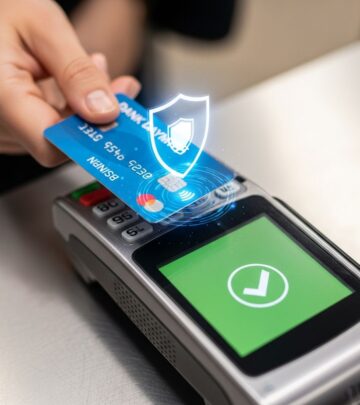
Digital wallets integrate multiple securities: tokenization, encryption, biometrics, and NFC for contactless payments. They never share full card data with merchants, minimizing liability.
Future trends include AI-enhanced biometrics and quantum-resistant encryption, addressing evolving threats. PCI DSS compliance remains pivotal, enforcing access controls and audits.
Best Practices for Users and Merchants
Users should enable notifications, use strong unique PINs, and monitor statements. Avoid public Wi-Fi for payments and update apps promptly.
Merchants must implement PCI-compliant gateways, train staff, and deploy CVV checks alongside 3DS. Regular vulnerability scans fortify systems.
| Stakeholder | Top Practices |
|---|---|
| Consumers | MFA enablement, transaction alerts, biometric use |
| Businesses | Tokenization adoption, FDS integration, staff training |
Frequently Asked Questions (FAQs)
What is the most secure digital payment method?
Digital wallets with tokenization and biometrics offer top security, as they avoid sharing full card details.
How does encryption differ from tokenization?
Encryption scrambles data reversibly; tokenization swaps it with irretrievable substitutes.
Is MFA necessary for all transactions?
It’s essential for high-risk ones, significantly cutting fraud risks.
Can fraud detection stop all scams?
No system is foolproof, but AI-driven monitoring catches most anomalies effectively.
What role does PCI DSS play?
It sets global standards for card data protection, including encryption mandates.
Conclusion
Layered securities like encryption, tokenization, MFA, and fraud detection make digital payments safer than cash or checks. Staying informed and vigilant ensures benefits outweigh risks in this digital age.
References
- Secure payment systems explained — Stripe. 2023. https://stripe.com/resources/more/secure-payment-systems-explained
- Four Security Features of Digital Payments — Chase. 2023-10-01. https://www.chase.com/personal/credit-cards/education/basics/four-security-features-of-digital-payments
- What is Payment Security? Overview, Types, & Best Practices — TechnologyAdvice. 2024. https://technologyadvice.com/blog/sales/payment-security/
- What Are Secure Payments & Secure Payment Systems? — Ramp. 2024. https://ramp.com/blog/secure-payments
- Digital Payment Security Explained — Edenred Payment Solutions. 2024. https://eps.edenred.com/blog/digital-payment-security-explained
- 4 Secure Payment Technologies Every Merchant Should Know — Discover Global Network. 2023. https://insights.discoverglobalnetwork.com/insights/secure-payment-technologies-every-merchant-needs
- What You Need To Know About Secure Payment Systems — U.S. Chamber of Commerce. 2024. https://www.uschamber.com/co/run/finance/secure-payment-systems-guide
Similar Articles








Read full bio of medha deb