Safeguarding Seniors from Identity Theft Risks
Essential strategies to shield older adults from rising identity theft threats through education, technology, and proactive monitoring.
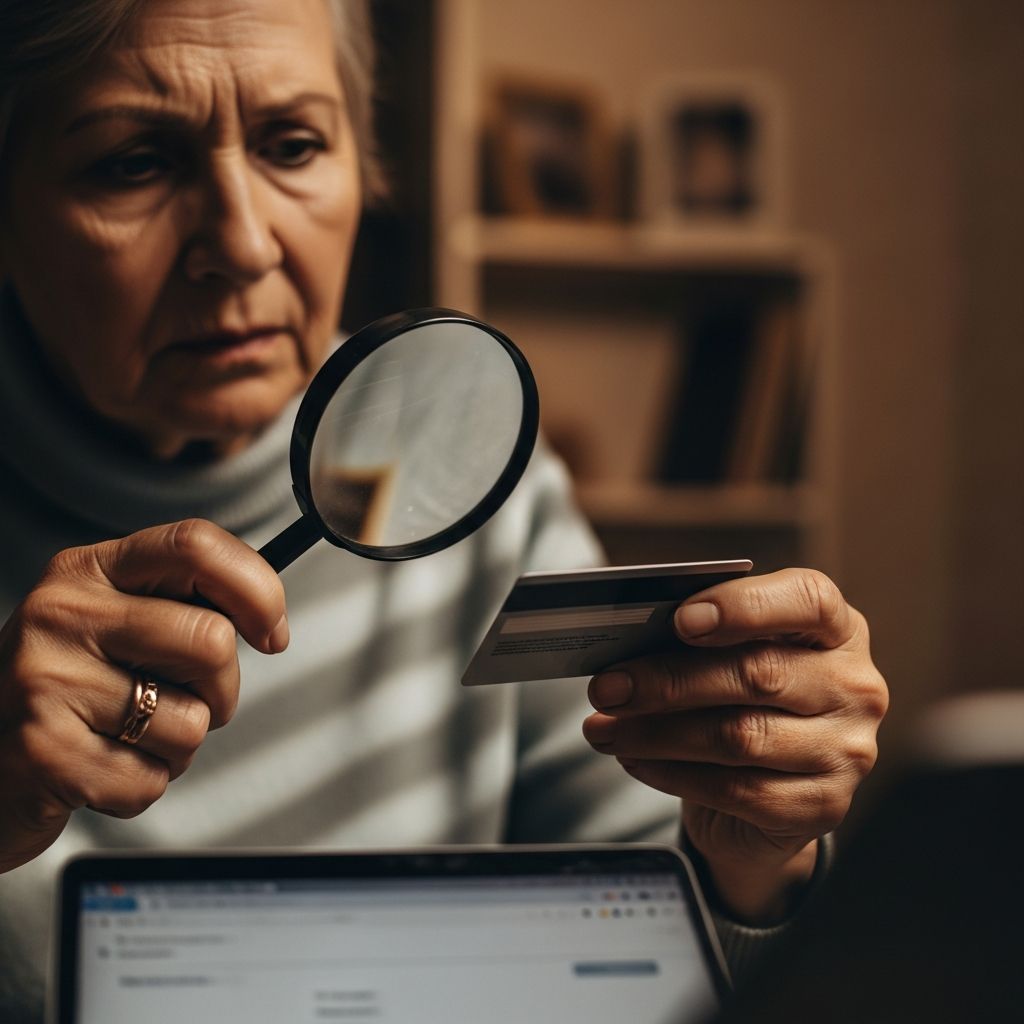
Older adults face heightened risks of identity theft due to factors like increased home time, reliance on government benefits, and evolving digital engagement. Criminals exploit these vulnerabilities through sophisticated phone, email, and online tactics, but families can implement targeted defenses to minimize threats.
Why Seniors Are Prime Targets for Fraudsters
Seniors often spend more time at home, making them accessible via phone and digital devices as they adopt email, texting, and social media. This shift opens doors for scammers who mimic legitimate institutions like Social Security or Medicare, using fake websites, caller ID spoofing, or social accounts to build trust.
Government data highlights the scale: reliance on benefits makes impersonation scams prevalent, with fraudsters demanding urgent payments via untraceable methods like cryptocurrency or gift cards—tactics no legitimate agency employs. Isolation can exacerbate risks, as limited social interaction reduces external checks on suspicious activities.
Building Awareness: The First Line of Defense
Education empowers seniors to spot deception. Share resources on common scams, emphasizing that official agencies communicate via mail, not demands for instant payments or threats of service cutoff. Role-playing scenarios builds confidence in declining suspicious contacts, reinforcing that reporting attempts—even unsuccessful ones—helps authorities track patterns.
- Discuss phishing emails mimicking banks or benefits providers.
- Highlight grandparent scams where fraudsters pose as distressed relatives needing funds.
- Review romance scams prevalent on social platforms targeting lonely individuals.
Families should foster open dialogues, assuring support if victimization occurs, which encourages prompt disclosure.
Fortifying Digital and Phone Security
Phone habits from landline eras lead many seniors to answer unknown calls; instead, screen via voicemail, as scammers rarely leave messages. Register on the FTC’s Do Not Call list to curb telemarketing, though it won’t block fraudsters spoofing legitimate numbers.
Update contact lists with photos of family, doctors, and banks to verify incoming calls quickly. For digital safety:
- Employ strong, unique passwords blending letters, numbers, and symbols—avoid birthdays or names.
- Activate multi-factor authentication (MFA) adding verification layers.
- Use password managers for distinct credentials per account.
- Set social profiles to private, limiting shares to known contacts.
Download apps only from trusted stores and lock devices with PINs or biometrics. Keep software updated to patch vulnerabilities.
Physical and Mail Safeguards
Prevent trash scavenging by shredding statements, bills, and documents with sensitive data like account numbers. Collect mail daily to avoid theft. Never carry Social Security cards or excess credit cards.
Store records in locked cabinets or encrypted digital files; avoid carrying unnecessary personal info.
Credit and Financial Monitoring Essentials
Freeze credit files at Experian, TransUnion, and Equifax to block fraudulent account openings—a free right for all, including seniors. Temporarily lift for legitimate applications. Regularly review statements for anomalies:
| Sign of Fraud | Action |
|---|---|
| Unrecognized charges | Contact issuer immediately |
| Account changes without request | Verify with official channels |
| Suspicious logins | Change passwords and enable alerts |
| New accounts on reports | Dispute and freeze credit |
Set bank alerts for transactions; consider identity theft protection services for ongoing scans.
Recognizing and Halting Suspicious Schemes
Legitimate entities never request payments via wire transfers, crypto ATMs, or gift cards. Verify unsolicited demands independently—call official numbers from websites, not provided contacts.
Phishing thrives on urgency; pause and consult trusted family before acting.
Immediate Response if Theft Occurs
Act swiftly: notify banks/credit issuers first, then change all passwords. Contact credit bureaus to place fraud alerts or freezes, disputing errors.
- Report to FTC at IdentityTheft.gov for a recovery plan.
- Alert IRS, Social Security, and Medicare of compromise.
- File police report for documentation.
- Monitor reports for 1-2 years.
Services like those from Experian aid detection and restoration.
Family Caregiver Strategies
Regular check-ins combat isolation, a scam enabler. Assist with tech setup, like MFA and monitoring. Jointly review finances without overstepping independence.
Promote community resources: AARP Fraud Watch Network offers support.
Advanced Protections for Tech-Savvy Seniors
Adopt VPNs for public Wi-Fi, antivirus software, and browser extensions blocking trackers. Enroll in dark web monitoring to catch leaked data early.
Table of tools:
| Tool | Benefit | Source Recommendation |
|---|---|---|
| Password Manager | Generates/stores unique passwords | AARP, CalPERS |
| MFA Apps | Extra login security | VA, FTC |
| Credit Freeze | Blocks new accounts | Experian |
| Shredder | Destroys documents | VA, Senior Centers |
Frequently Asked Questions
What should I do if a senior receives a scam call demanding payment?
Hang up, block the number, and report to FTC. Verify independently if concerned about legitimacy.
How does a credit freeze help seniors?
It prevents criminals from opening accounts using stolen info, requiring temporary lifts only for approved uses.
Are gift cards safe for payments?
No—scammers favor them for untraceability; legitimate parties use standard methods.
Can family monitor a senior’s credit without permission?
Encourage joint access or services; respect privacy while offering help.
What if identity theft affects benefits like Social Security?
Notify SSA immediately; create my Social Security account for monitoring.
Long-Term Prevention Mindset
Vigilance evolves with tech—stay informed via FTC alerts, AARP updates. Empower seniors through gentle guidance, blending independence with safeguards for resilient protection.
References
- How to Protect Seniors From Identity Theft — Experian. 2023. https://www.experian.com/blogs/ask-experian/how-to-protect-seniors-from-identity-theft/
- Identity Theft Awareness – Privacy — U.S. Department of Veterans Affairs. 2024-10-01. https://department.va.gov/privacy/identity-theft/
- Identity Theft for Seniors: Learn To Recognize and Prevent Fraud — Centier Bank. 2024. https://www.centier.com/resources/articles/article-details/identity-theft-for-seniors–learn-to-recognize-and-prevent-fraud
- Preventing Identity Theft — CalPERS (CA.gov). 2025-01-15. https://www.calpers.ca.gov/education-center/using-mycalpers/cybersecurity-best-practices/preventing-identity-theft
- Protecting You and Your Family from Identity Theft — AARP States. 2024. https://states.aarp.org/florida/protecting-you-and-your-family-from-identity-theft
- A Guide For Victims Of Identity Theft — Senior Connection Center, Inc. 2023-11-20. https://seniorconnectioncenter.org/a-guide-for-victims-of-identity-theft-detailing-what-to-do-and-who-to-contact/
Similar Articles








Read full bio of Sneha Tete