Safeguarding Finances Against Natural Disasters
Essential strategies to protect your money, assets, and future from the devastating financial impacts of floods, fires, hurricanes, and more.

Natural disasters strike without warning, leaving trails of destruction that extend far beyond physical damage to deeply impact personal finances. From hurricanes battering coastlines to wildfires ravaging communities, these events can wipe out savings, disrupt income, and complicate insurance claims if not prepared for properly. In 2024 alone, the U.S. faced 27 billion-dollar disasters, highlighting the urgent need for financial resilience. This guide outlines comprehensive strategies to fortify your economic stability before, during, and after such crises.
Understanding the Financial Toll of Natural Catastrophes
Disasters don’t just destroy homes; they erode financial security through direct losses like property damage, temporary housing costs, and lost wages. Indirect effects include rising insurance premiums, supply chain disruptions leading to inflation in essentials, and long-term credit score hits from missed payments. According to FEMA data, over half of U.S. households have been affected by a disaster, underscoring widespread vulnerability. Proactive planning transforms potential ruin into manageable recovery.
Establishing a Robust Emergency Savings Buffer
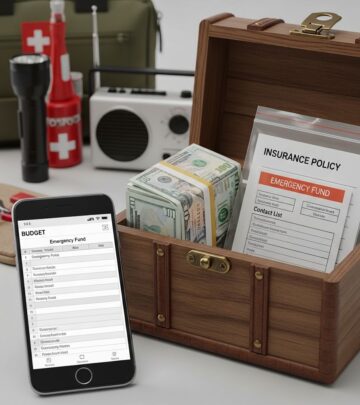
The cornerstone of disaster financial preparedness is an emergency fund covering 3-6 months of living expenses in a liquid, accessible account. This buffer funds evacuations, hotel stays, or groceries when paychecks halt or ATMs fail. Place it in a high-yield savings account for growth without risk. For families, calculate based on total household needs: rent/mortgage, utilities, food, transportation, and medications. High-net-worth individuals should aim higher, up to 12 months, as asset liquidation can take time.
- Start small: Automate weekly transfers to build steadily.
- Diversify: Keep portions in checking for immediacy and savings for interest.
- Replenish post-use: Prioritize rebuilding after tapping the fund.
Securing Vital Documents and Valuables
Critical papers—passports, birth certificates, financial statements, wills—must survive chaos. Store originals in a fireproof, waterproof safe bolted in an interior room, away from windows. Digital backups on encrypted cloud services or USB drives provide redundancy. Inventory possessions with dated photos or videos, stored offsite, to streamline insurance claims. During Hurricane Helene in 2024, inaccessible documents delayed aid for many in Asheville.
| Document Type | Physical Storage | Digital Backup |
|---|---|---|
| IDs and Passports | Fireproof safe | Encrypted cloud |
| Insurance Policies | Waterproof binder | Scanned PDFs |
| Bank/Investment Statements | Locked drawer | Secure app |
| Wills and Powers of Attorney | Safe deposit box | Attorney portal |
Optimizing Insurance Coverage for Maximum Protection
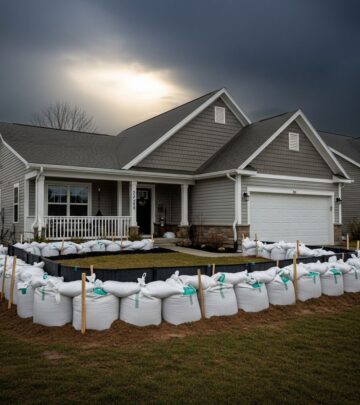
Standard homeowners or renters policies often exclude floods, earthquakes, or wildfires, necessitating add-ons like FEMA-backed flood insurance or separate earthquake riders. Verify replacement cost vs. actual cash value clauses—replacement covers full rebuild costs adjusted for inflation, while cash value deducts depreciation. Consult agents annually, using tools like FEMA’s National Risk Index to assess local threats. Business owners should insure equipment and inventory; consider disability or life policies for income protection.
- Annual audit: Match coverage to current home values and regional risks.
- Umbrella policies: Extra liability for comprehensive defense.
- High-value items: Schedule jewelry, art, or collectibles separately.
Maintaining Liquidity with Cash Reserves
Power outages render cards and ATMs useless, shifting economies to cash-only, as seen in 2024’s Hurricane Helene and 2025 Los Angeles wildfires. Stash $200-$500 in small bills inside your safe for gas, food, and meds—FEMA advises covering 3-7 days’ basics. Avoid over-reliance on HELOCs, as home damage can freeze access. Checkbooks offer another layer for manual transactions.
Crafting Estate Plans for Crisis Continuity
Disasters amplify the need for estate documents: wills, trusts, powers of attorney, healthcare directives, and business successions. These ensure assets transfer smoothly, minimizing family disputes amid grief. Update beneficiaries on accounts to bypass probate. In chaos, pre-designated agents handle medical and financial decisions swiftly.
Navigating Immediate Post-Disaster Financial Actions
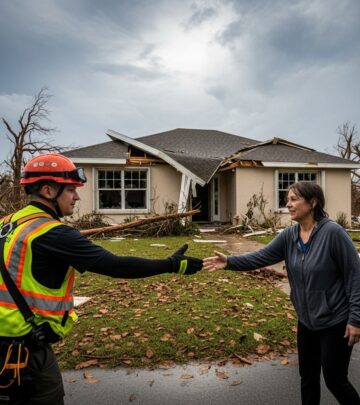
After evacuation, prioritize safety then finances: Contact insurers promptly, document all damage with photos, and file claims within deadlines. Secure temporary housing via Red Cross or FEMA apps. Alert banks for fraud alerts and request payment forbearance. Track expenses meticulously for tax deductions on casualty losses.
- Assess damage safely.
- Notify insurer and employer within 24-48 hours.
- Apply for FEMA aid if uninsured losses exceed $1,000.
- Guard against scams: Verify charities via FTC.gov.
Long-Term Recovery and Rebuilding Strategies
Mid-term focuses on property repair, income stabilization, and coverage upgrades. Weigh rebuilding vs. relocation by comparing costs, mortgage options (forbearance vs. modification), and local aid. Long-term, bolster savings, diversify investments away from disaster-prone assets, and consider climate-resilient upgrades like elevated foundations. Financial planners guide personalized paths.
Protecting Against Fraud and Scams
Disaster zones attract predators posing as contractors, FEMA reps, or charities. Demand ID, avoid upfront payments, and report via FTC. Use official sites for aid applications.
Frequently Asked Questions (FAQs)
How much cash should I keep for emergencies?
Aim for $200-$1,000 in small bills, enough for 3-7 days of essentials, stored securely.
Does homeowners insurance cover floods?
No, typically requires separate NFIP policy; check with your agent.
What if my home is destroyed—can I access my mortgage?
Insurers pay lienholders first; explore forbearance or modifications.
How do I inventory my home?
Use apps or videos room-by-room, noting serial numbers and values.
Is a safe deposit box safe during disasters?
Banks may close access; prioritize home safes with digital backups.
Regional Risk Assessment Tools
Leverage free resources: FEMA’s National Risk Index maps threats by county; NOAA tracks billion-dollar events. Tailor preparations to your area’s top hazards—hurricanes in the Southeast, wildfires West, tornadoes Midwest.
References
- How to prep your finances for a natural disaster — Guardian Life. 2024. https://www.guardianlife.com/ways-to-financially-prepare-for-a-natural-disaster
- How to prepare for natural disasters: Increase your financial resilience — RBC Wealth Management. 2024. https://www.rbcwealthmanagement.com/en-us/insights/how-to-prepare-for-natural-disasters-increase-your-financial-resilience-in-case-the-unthinkable-happens
- How to Prepare Your Finances for a Natural Disaster — Creative Planning. 2024. https://creativeplanning.com/insights/risk-management/prepare-finances-natural-disaster/
- How to protect your finances from natural disasters — TIAA. 2024. https://www.tiaa.org/public/invest/services/wealth-management/perspectives/protect-finances-from-natural-disasters
- Financial Planning and Recovery: Tips for Disaster Victims — Bank of America. 2024. https://about.bankofamerica.com/en/making-an-impact/disaster-recovery-financial-guide
Similar Articles








Read full bio of medha deb