Safeguarding Your Child’s Financial Future
Comprehensive strategies to shield minors from identity fraud

The digital landscape presents numerous challenges for parents seeking to protect their children's financial well-being. One of the most significant threats emerging in recent years is identity theft targeting minors. Unlike identity fraud affecting adults, child identity theft often goes undetected for years because children typically do not actively monitor their credit or engage in financial transactions. This extended window of vulnerability can result in substantial damage to a young person's financial profile before they even become aware of the problem.
Understanding the mechanics of how identity thieves target children and implementing preventive strategies early can significantly reduce the risk of long-term financial harm. Parents and guardians play a critical role in establishing protective measures that will serve their children well into adulthood.
Understanding the Threat Landscape
Identity theft targeting minors has become increasingly common because children's personal information often remains unmonitored and unprotected. Perpetrators may exploit a child's Social Security number and personal details to establish fraudulent accounts, obtain credit, or commit other financial crimes. The challenge intensifies because most children do not have legitimate reasons to check their credit reports during their youth, making unauthorized activity particularly difficult to detect immediately.
Parents should recognize that their children's information is valuable to criminals. A child's clean credit history represents an opportunity for fraudsters to build an extensive criminal financial profile without facing immediate detection. This reality underscores the importance of proactive intervention rather than waiting for problems to surface.
Establishing a Foundation: Document and Information Security
Strategic Storage of Sensitive Materials
The foundation of protecting your child begins with securing physical documents containing sensitive information. Critical documents include Social Security cards, birth certificates, medical insurance cards, and passports. These items should be stored in locations that are not easily accessible, such as locked filing cabinets, home safes, or safety deposit boxes at financial institutions.
Physical security measures should be complemented by thoughtful organization. Avoid storing important documents in commonly accessible areas such as bedside tables, kitchen drawers, or wallets kept in easily reachable locations. The goal is to create friction that discourages casual theft while maintaining accessibility for legitimate needs.
Digital Storage Considerations
In an increasingly digital world, many families maintain electronic copies of important documents. If you choose to store digital versions, ensure they are protected through multiple layers of security. This includes storing files in password-protected folders within encrypted storage solutions. Strong passwords should combine uppercase and lowercase letters, numbers, and special characters to maximize resistance against unauthorized access.
Additionally, periodically review stored documents to verify they have not been tampered with or accessed inappropriately. Digital security extends to the devices themselves—maintain current antivirus software, enable firewalls, and keep operating systems updated with the latest security patches.
Responsible Document Disposal
As documents age and become unnecessary, proper disposal becomes essential. Rather than simply discarding papers containing personal information, shred them thoroughly before disposal. Physical destruction of sensitive documents eliminates the possibility of dumpster diving or other recovery attempts by identity thieves seeking personal information.
Controlling Information Dissemination
Strategic Social Security Number Protection
The Social Security number represents the master key to fraudulent identity establishment. Organizations requesting this number should be questioned carefully. Before providing your child's Social Security number to any entity—whether a school, healthcare provider, or other institution—ask clarifying questions about necessity and data protection protocols.
Acceptable questions include: “Why specifically do you need my child's full Social Security number?” “How will you protect this information?” “Can you use just the last four digits instead?” “Is there an alternative identifier you could use?” Many organizations accept partial Social Security numbers or alternative identifiers for record-keeping purposes. Limiting dissemination of complete Social Security numbers reduces the risk of exposure through organizational data breaches.
Institutional Accountability
When sharing your child's personal information with schools, healthcare providers, or other institutions, inquire about their data protection measures and access protocols. Understanding who can access your child's information and how it is safeguarded helps you make informed decisions about disclosure. Ask whether the organization has experienced previous data breaches and what steps they have implemented to prevent future incidents.
Establishing Credit Monitoring and Freeze Mechanisms
Credit Freezes: The Preventive Barrier
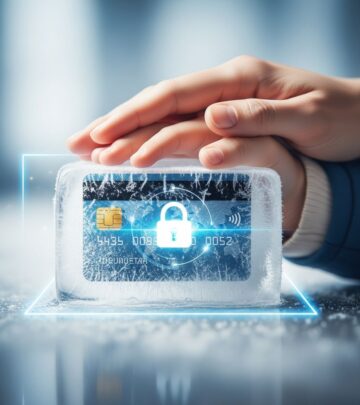
A credit freeze represents one of the most effective tools available for protecting minors from identity theft. A security freeze restricts access to your child's credit report, making it substantially more difficult for fraudsters to open new accounts or access credit in your child's name. The freeze remains in place until you explicitly request its removal, providing continuous protection as your child progresses toward adulthood.
The process for implementing a freeze on a minor's credit differs from the procedure for adults. You will need to contact each of the three major credit bureaus individually to initiate the freeze. The Federal Trade Commission provides updated contact information and specific procedures through IdentityTheft.gov. For children under 16, the freeze is typically free. Minors aged 16 or 17 may request and manage their own freezes, though parental involvement remains advisable.
Early Credit Report Checks
The Federal Trade Commission recommends checking whether your child has an existing credit report by age 16. Generally, children under 18 should not have credit reports unless credit has been established in their names. An unexpected credit report may indicate that someone has already begun using your child's identity fraudulently.
To check for existing credit reports, contact each of the three credit bureaus and request a manual search using your child's Social Security number. You may need to provide identification and possibly a copy of your child's birth certificate to complete this request. If a credit report exists for your minor child, investigate it thoroughly for any unauthorized accounts or activity.
Credit Monitoring Products
Beyond credit freezes, credit monitoring services add an additional protective layer by continuously reviewing credit reports and credit inquiries for unusual activity. These services typically send alerts when suspicious actions occur, allowing you to respond quickly. Family monitoring plans can track both adult and child credit activity simultaneously, and child-specific services are available from specialized providers.
Cultivating Digital Literacy and Online Safety Habits
Age-Appropriate Education
As children develop and gain increased access to digital devices and online platforms, educational conversations about privacy and security become essential. Explain why certain information—such as home addresses, school names, birthdates, and full names—should never be shared on social media or with strangers online. Frame these discussions in age-appropriate language that helps children understand the reasoning without creating undue anxiety.
Younger children may understand these concepts through simple rules: “We don't share where we live online” or “We don't tell people on the internet when our birthday is.” Older children can understand more nuanced explanations about how personal information can be misused for fraudulent purposes.
Password Security and Device Management
Teaching children to create strong, unique passwords for their accounts and devices establishes foundational security habits early in their digital lives. Demonstrate the characteristics of strong passwords and help children understand why reusing passwords across multiple platforms creates vulnerability. Consider using password managers to help manage credentials securely.
Additionally, establish expectations about device care and security. If children have access to computers or smartphones, ensure they understand the importance of locking devices when not in use, not sharing passwords, and reporting suspicious activity or messages to a trusted adult.
Managing Physical Devices and Data Destruction
Secure Device Disposal
Computers and mobile devices contain significant amounts of personal data. Before disposing of or recycling an old device, ensure all personal information is permanently erased. Begin by backing up any essential files you wish to retain to an external storage device or cloud service.
Next, perform a factory reset on the device, which returns it to its original settings and removes most stored data. However, factory resets do not always completely eliminate all data. For enhanced security, consider using specialized data-wiping software that overwrites the storage device multiple times, making data recovery virtually impossible.
Physical Hard Drive Destruction
For particularly sensitive situations or older computers containing substantial historical data, physical destruction of hard drives may be appropriate. This can be accomplished by physically destroying the drive with tools or by taking the device to a professional data destruction service that specializes in secure disposal.
Responding to Suspected or Confirmed Identity Theft
Immediate Action Steps
If you suspect or discover that your child's identity has been compromised, prompt action can minimize damage. The first step involves contacting the companies where fraudulent accounts were opened. Speak directly with their fraud departments and request account closures. Obtain written confirmation that your child is not responsible for these accounts.
Credit Report Intervention
Once identity theft is confirmed, place an immediate security freeze on your child's credit report to prevent additional unauthorized account openings. This action should be prioritized alongside closing fraudulent accounts and contacting relevant companies.
Federal Trade Commission Reporting
Report the identity theft to the Federal Trade Commission through IdentityTheft.gov. This platform provides customized recovery plans and step-by-step guidance tailored to your specific situation. Creating a detailed report establishes an official record of the theft and facilitates coordination with relevant authorities and credit bureaus.
Creating a Long-Term Protection Strategy
Protecting your child from identity theft is not a one-time action but rather an ongoing commitment that evolves as your child matures. Early establishment of security practices creates habits and awareness that serve children throughout their lives. By combining preventive measures—such as credit freezes and document security—with proactive monitoring and digital literacy education, parents can substantially reduce the likelihood that their child becomes an identity theft victim.
The investment in these protective measures pays dividends by ensuring that your child's financial future remains intact, untainted by fraudulent activity or unauthorized accounts that could hinder their ability to obtain legitimate credit, housing, or employment in the future.
References
- How To Protect Your Child From Identity Theft — Federal Trade Commission, Consumer Protection Bureau. 2024. https://consumer.ftc.gov/articles/how-protect-your-child-identity-theft
- 8 Ways to Help Prevent Child Identity Theft — Prosper. 2024. https://www.prosper.com/blog/child-identity-theft
- How To Protect Your Child From Identity Theft — Equifax. 2024. https://www.equifax.com/personal/education/identity-theft/articles/-/learn/child-identity-theft/
- Start Protecting a Child’s Personal Information at an Early Age — Bank Sovereign. 2024. https://banksovereign.com/start-protecting-a-childs-personal-information-at-an-early-age/
- Protecting yourself from identity theft online (ITSAP.00.033) — Canadian Centre for Cyber Security. 2024. https://www.cyber.gc.ca/en/guidance/protecting-yourself-identity-theft-online-itsap00033
Similar Articles








Read full bio of Sneha Tete