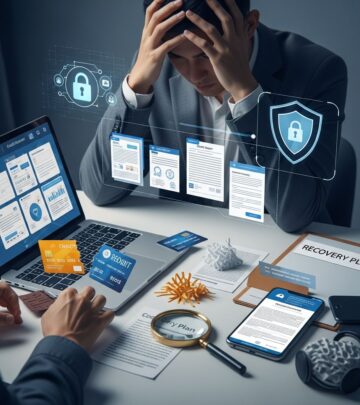
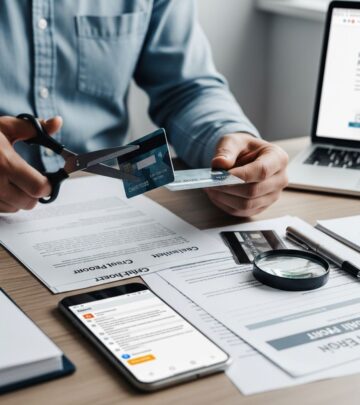
Identity Theft: Essential Protections And Recovery Tips
Discover proven strategies to shield your personal data, detect threats early, and bounce back swiftly if identity thieves strike.
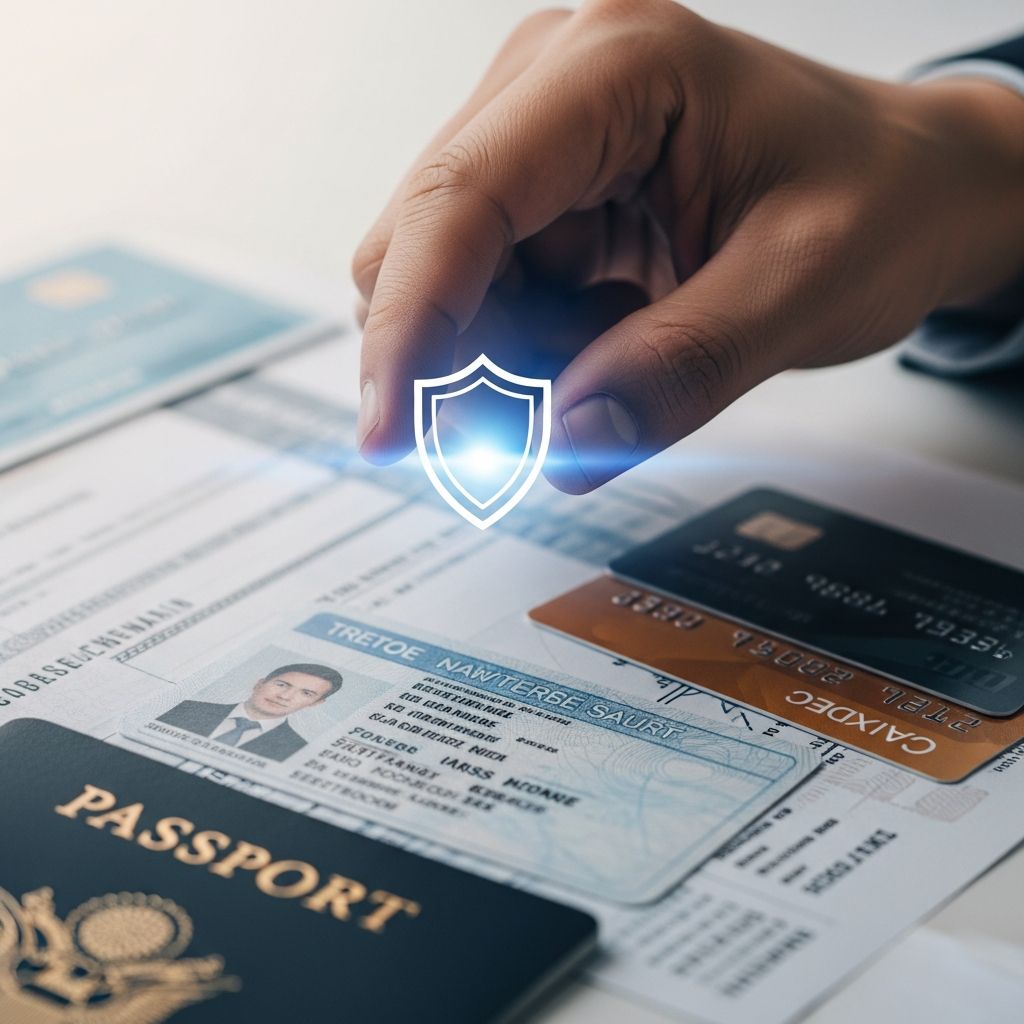
Identity theft remains one of the most pervasive threats to personal financial security, with criminals exploiting stolen data to drain accounts, open fraudulent loans, and tarnish credit histories. This guide equips you with actionable strategies to minimize risks, spot early warning signs, and implement robust defenses using tools like credit freezes and fraud alerts. Drawing from federal guidelines and credit bureau recommendations, these methods empower individuals to take control of their financial privacy.
Understanding the Scope of Identity Theft Risks
Identity theft occurs when unauthorized individuals access and misuse your personal information, such as Social Security numbers, bank details, or credit card numbers. Thieves can rack up debts, file bogus tax returns, or even commit crimes in your name. According to consumer protection authorities, regular vigilance is crucial because stolen data can be reused indefinitely, potentially causing damage years later.
Common vectors include data breaches, phishing scams, public Wi-Fi vulnerabilities, and physical document theft. Financial accounts are prime targets, but health records and employment data are increasingly at risk. Proactive measures can significantly reduce exposure.
Daily Habits for Preventing Data Breaches
Building a fortress around your information starts with everyday practices. Avoid accessing sensitive accounts on unsecured public networks, as they lack encryption and invite interception. At home, enable WPA3 encryption and strong passwords for your router to block unauthorized access.
- Shred documents containing personal identifiers like account numbers or SSNs before disposal.
- Use complex, unique passwords for each account, incorporating uppercase letters, numbers, and symbols; consider a password manager.
- Limit carrying unnecessary cards or documents, such as your Social Security card.
- Opt for credit cards over debit cards for purchases, as they offer better fraud liability protection.
- Regularly update passwords across email, banking, social media, and bill-pay services.
These steps create layers of defense, making it harder for opportunists to gather usable data.
Mastering Credit Monitoring Essentials
Consistent oversight of your financial footprint is non-negotiable. Review bank statements, credit card bills, and insurance claims monthly for unfamiliar transactions. Track expected bill due dates to flag delays or anomalies.
Access free credit reports annually from AnnualCreditReport.com, which pulls from Equifax, Experian, and TransUnion—the three major U.S. bureaus. Look for unauthorized inquiries, new accounts, or sudden score drops, which signal potential compromise.
| Monitoring Frequency | What to Check | Action if Suspicious |
|---|---|---|
| Weekly | Bank/credit card statements | Contact issuer immediately |
| Monthly | Score changes, bill due dates | Review full report |
| Annually | Full credit reports from all bureaus | File disputes or alerts |
Premium monitoring services scan multiple bureaus in real-time, alerting you to irregularities like new inquiries or address changes.
Fraud Alerts: Your First Line of Defense
A fraud alert acts as a warning flag on your credit file, prompting lenders to verify your identity before approving new credit, cards, or limit increases. Place one by contacting any major bureau; it notifies the others automatically.
Types include:
- Initial Fraud Alert: Lasts one year, renewable; ideal for suspected risks.
- Extended Fraud Alert: Seven years if backed by an IdentityTheft.gov report; requires creditor contact via your preferred method and grants two free annual reports.
- Active-Duty Alert: One year for servicemembers, with optional representative authorization; removes you from pre-screened offers.
Alerts don’t block access but encourage scrutiny, balancing protection without fully halting legitimate applications.
Credit Freezes: The Ultimate Barrier
A credit freeze locks your file, preventing creditors from viewing it and thus blocking new account openings. Unlike alerts, freezes must be placed separately with each bureau and are free under federal law.
To implement:
- Visit Equifax, Experian, and TransUnion websites or call to freeze.
- Use a PIN or password to temporarily lift for applications.
- No impact on existing accounts or non-credit checks like employment.
Freezes excel at stopping new fraud but require planning ahead for credit needs. They’re especially vital post-breach.
Advanced Protection: Monitoring Services and Tools
Identity theft protection services provide comprehensive surveillance, tracking credit, dark web mentions, and public records. They often include insurance for recovery costs and family plans.
Key features:
- Three-bureau credit monitoring with instant alerts.
- SSN and PII scans across financial and criminal databases.
- Identity restoration assistance.
For families, consider child credit freezes, as minors’ clean records attract thieves.
Spotting and Responding to Suspicious Activity
Warning signs include unexpected credit drops, unfamiliar accounts, denied credit, or strange bills. Act swiftly: notify affected companies, place alerts/freezes, and report to IdentityTheft.gov for an official affidavit.
Recovery roadmap:
- Contact financial institutions to close/freeze accounts.
- File police report and FTC complaint.
- Dispute fraudulent items with bureaus, providing identity theft proof for blocking.
- Monitor ongoing for residual effects.
Special Considerations for Vulnerable Groups
Seniors, students, and military personnel face heightened risks. Children under 18 should have credit frozen proactively. Deployed servicemembers can designate representatives for alerts.
Employers and insurers may still access frozen files, so freezes target credit-specific threats.
FAQs
What is the difference between a fraud alert and a credit freeze?
Fraud alerts notify lenders to verify identity but allow access; freezes block access entirely until lifted.
How do I get free credit reports?
Through AnnualCreditReport.com weekly; alerts grant extras.
Does a credit freeze affect my credit score?
No, it only restricts new creditor views.
What if identity theft involves taxes or medical records?
Report via IdentityTheft.gov for tailored recovery plans.
Can I freeze my child’s credit?
Yes, contact bureaus with proof of parentage.
Long-Term Strategies for Financial Resilience
Beyond immediate tools, cultivate habits like two-factor authentication, antivirus software, and phishing awareness training. Review privacy settings on apps and social platforms regularly. Educate family members on risks to fortify collective defenses.
In an era of escalating cyber threats, combining personal diligence with official protections like freezes and alerts forms an impenetrable shield. Stay vigilant—thieves evolve, but so can your safeguards.
References
- How to Protect Yourself from Identity Theft — myFICO. Accessed 2026. https://www.myfico.com/credit-education/identity-theft
- A 2026 Guide to Identity Theft Protection — Security.org. 2026. https://www.security.org/identity-theft/
- Identity Theft Protection Quick Guide — Maryland Department of Labor. Accessed 2026. https://labor.maryland.gov/employment/clmtguide/uiidtheftprotection.pdf
- What do I do if I think I have been a victim of identity theft? — Consumer Financial Protection Bureau. Accessed 2026. https://www.consumerfinance.gov/ask-cfpb/what-do-i-do-if-i-think-i-have-been-a-victim-of-identity-theft-en-31/
- Credit Freezes and Fraud Alerts — Federal Trade Commission. Accessed 2026. https://consumer.ftc.gov/articles/credit-freezes-and-fraud-alerts
- How Can I Better Protect Against Identity Theft? — Equifax. Accessed 2026. https://www.equifax.com/personal/education/identity-theft/articles/-/learn/how-to-protect-against-identity-theft/
- How to place or lift a security freeze on your credit report — USAGov. Accessed 2026. https://www.usa.gov/credit-freeze
Similar Articles








Read full bio of Sneha Tete