Digital Wallet Security: Essential Tips To Protect Your Wallet
Discover proven strategies to protect your digital wallet from cyber threats and secure your mobile payments effortlessly.
Digital wallets have transformed how we handle money, offering convenience for payments via smartphones and wearables. However, their popularity attracts cybercriminals seeking to exploit vulnerabilities. This guide provides actionable steps to fortify your digital wallet against threats like phishing, malware, and unauthorized access, drawing from established security practices.
Understanding Digital Wallet Vulnerabilities
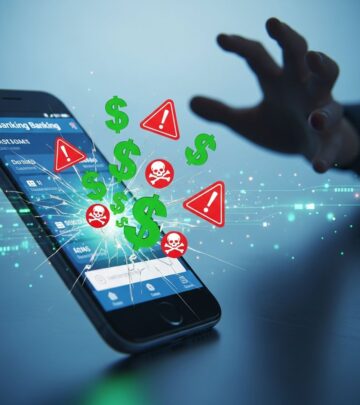
Digital wallets store payment information on devices, making them prime targets. Common risks include device theft, where thieves access unlocked phones; phishing scams tricking users into revealing credentials; and malware infecting apps to steal data. Public Wi-Fi networks amplify dangers by enabling data interception. Statistics from financial security reports highlight that mobile payment fraud rose significantly in recent years, underscoring the need for proactive defenses.
Key vulnerabilities break down as follows:
- Physical device access: Lost or stolen phones without locks expose wallet data instantly.
- Network threats: Unsecured Wi-Fi allows man-in-the-middle attacks to capture login details.
- App weaknesses: Outdated software or untrusted downloads create entry points for malware.
- Social engineering: Fake emails or sites lure users into handing over authentication codes.
Essential Device Protection Measures
Your smartphone or smartwatch is the gateway to your digital wallet, so securing it is paramount. Start with robust lock screens using alphanumeric passcodes at least 8 characters long, mixing letters, numbers, and symbols. Avoid predictable patterns like birthdays.
Biometric options elevate protection:
| Method | Benefits | Limitations |
|---|---|---|
| Fingerprint scan | Quick, hard to replicate | May fail with dirty sensors |
| Facial recognition | Hands-free access | Potential spoofing with photos |
| PIN fallback | Reliable backup | Slower for frequent use |
Enable remote wipe features like Find My iPhone or Android’s Find My Device to erase data if lost. Regularly back up your device to cloud services with encryption, ensuring recovery without compromising security.
Strengthening Authentication Protocols
Single passwords are insufficient; layer defenses with multi-factor authentication (MFA). This requires something you know (password), have (device), or are (biometrics). For digital wallets, enable MFA via authenticator apps, SMS codes, or push notifications.
Best practices include:
- Using unique passwords per app, managed by a reputable password manager.
- Activating biometric logins for seamless yet secure access.
- Avoiding SMS-only 2FA if possible, opting for app-based tokens resistant to SIM-swapping.
Tokenization further secures transactions by replacing card details with unique tokens, useless to interceptors.
Maintaining Software and App Security
Outdated apps harbor known exploits. Turn on automatic updates for your operating system and wallet apps to patch vulnerabilities promptly. Developers release fixes for flaws like those in older Android or iOS versions that cybercriminals target.
App selection is crucial:
- Download only from official stores like Google Play or Apple App Store.
- Review permissions—deny unnecessary access to camera, location, or contacts.
- Scan for malware using trusted antivirus software integrated with device security suites.
Avoiding Risky Networks and Phishing Traps
Public Wi-Fi is a hotspot for eavesdroppers using tools to sniff traffic. Refrain from wallet transactions on open networks; use mobile data or VPNs with strong encryption like AES-256.
Phishing detection tips:
- Verify URLs before entering credentials—look for HTTPS and official domains.
- Ignore unsolicited requests for wallet info or urgent account verifications.
- Educate yourself on common scams, such as fake app updates or prize notifications.
Employ browser extensions or device features that flag suspicious sites.
Monitoring and Responding to Suspicious Activity
Vigilance is your best defense. Check transaction histories weekly for anomalies like small test charges preceding larger frauds. Set up alerts for transactions above set thresholds or from new locations.
In case of issues:
- Contact your bank or wallet provider immediately to freeze accounts.
- Change all related passwords and scan for malware.
- Review credit reports for identity theft signs.
- File reports with authorities if fraud exceeds thresholds.
Proactive monitoring tools from providers offer real-time notifications, reducing response time.
Advanced Security Layers for Power Users
For enhanced protection, consider encryption for data at rest and in transit using TLS 1.3 protocols. Hardware security modules (HSMs) or trusted execution environments safeguard keys on compatible devices.
Multi-signature setups, common in crypto wallets, require multiple approvals for transactions. Integrate security suites providing endpoint detection and response for ongoing threat hunting.
Building Long-Term Security Habits
Security is ongoing. Conduct quarterly reviews: update passwords, audit app permissions, and test remote lock features. Stay informed via official financial security advisories from bodies like the FTC or cybersecurity agencies.
Family sharing? Educate household members on risks, especially for shared devices.
Frequently Asked Questions
What if my phone with digital wallet is stolen?
Lock it remotely, notify your provider, and monitor accounts. Biometrics and passcodes deter quick access.
Is public Wi-Fi safe for payments?
No—switch to cellular data or VPN to encrypt traffic.
How often should I update my wallet app?
Enable auto-updates for immediate patches.
Can biometrics be fooled?
Rarely with modern tech, but combine with PINs.
What’s tokenization?
It swaps real card data with single-use tokens for safe transactions.
References
- How to secure a digital wallet: A Comprehensive Guide — Atlant Security. 2023. https://atlantsecurity.com/blog/how-to-secure-a-digital-wallet-a-comprehensive-guide/
- Digital wallet safety: Tips for securing mobile payments — Worldpay. 2024. https://www.worldpay.com/en-GB/insights/articles/digital-wallet-safety-securing-mobile-payments
- Digital Wallet Safety — Greater Texas Credit Union. 2024. https://www.gtfcu.org/greater-texas-articles/digital-wallet-safety
- How to Secure Your Digital Wallet — McAfee Blog. 2023-10-15. https://www.mcafee.com/blogs/internet-security/how-to-secure-your-digital-wallet/
- Best Practices To Secure Your Digital Wallet — HLB. 2024. https://www.hlb.com.my/en/personal-banking/blog/best-practices-to-secure-your-digital-wallet.html
- Understanding Your Digital Wallet – and 6 Ways to Keep it Safe — Banner Bank. 2024. https://www.bannerbank.com/financial-resources/blog/understanding-digital-wallets
Similar Articles








Read full bio of Sneha Tete