Safeguard Your Vehicle in Hurricane Season
Essential strategies to shield your car from hurricane winds, flooding, and debris for minimal damage and faster recovery.
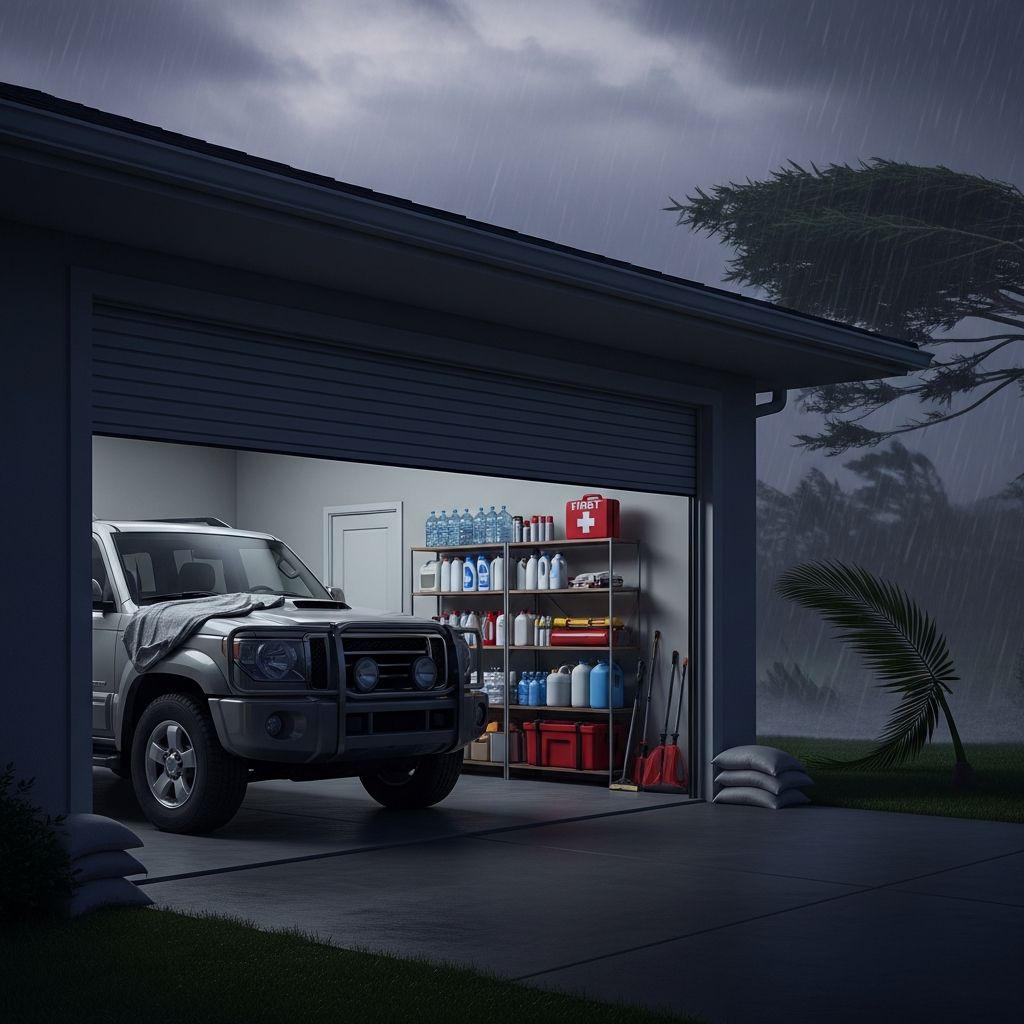
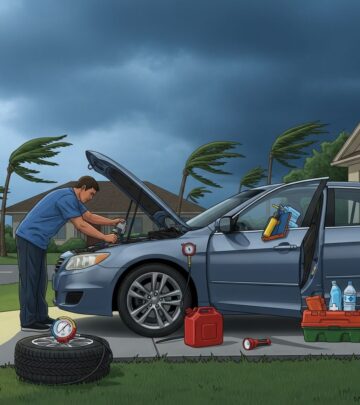
Hurricanes pose severe threats to vehicles through flooding, high winds, and flying debris. Proactive steps like relocating to elevated spots and applying protective barriers can significantly reduce damage risks.
Understanding Hurricane Risks to Automobiles
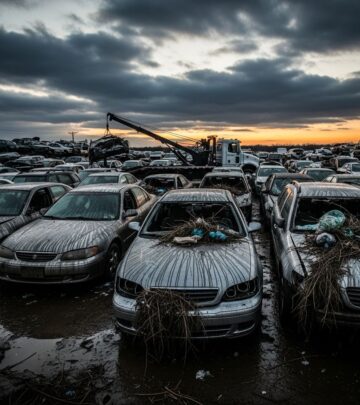
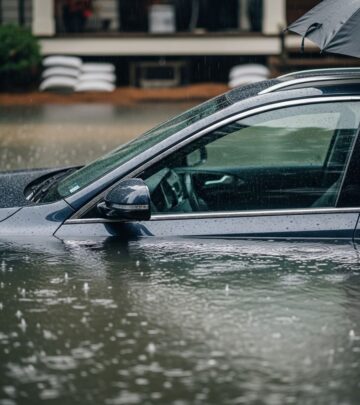
Storms bring heavy rain causing floods that submerge engines and electrical systems, winds hurling objects that dent bodies or shatter glass, and surges contaminating interiors with saltwater. Vehicles left exposed often face repair costs exceeding thousands, but preparation minimizes these impacts.
Floodwaters damage air intakes leading to hydrolock, where water enters cylinders and bends rods. Debris impacts weaken structures, while prolonged exposure promotes rust and mold. Recognizing these dangers enables timely action.
Optimal Parking Strategies for Storm Protection
Selecting the right location forms the foundation of vehicle safety. Prioritize elevated, sheltered areas to evade floodwaters and projectiles.
- Seek higher ground: Move to hills, upper garage levels, or inland spots less prone to inundation. Avoid low-lying zones or basements that fill first.
- Utilize structures: Garages, carports, or multi-level lots provide overhead cover against rain and falling limbs.
- Avoid hazards: Steer clear of trees, poles, and buildings susceptible to collapse. Open fields reduce debris collision chances.
For street parking, angle wheels toward curbs on inclines to prevent drifting in gusts or minor floods. Confirm access remains viable pre-storm for safe evacuation.
DIY Shielding Techniques Against Elements
When relocation proves impossible, improvised covers offer vital defense. These methods repel water and blunt impacts without professional tools.
| Method | Materials Needed | Application Steps | Benefits |
|---|---|---|---|
| Plastic Wrapping | Heavy-duty sheeting, duct tape | Envelop car focusing on undercarriage; secure seams; vent top slightly | Blocks splash-up water, prevents mold |
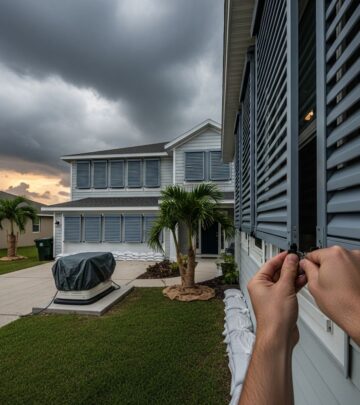
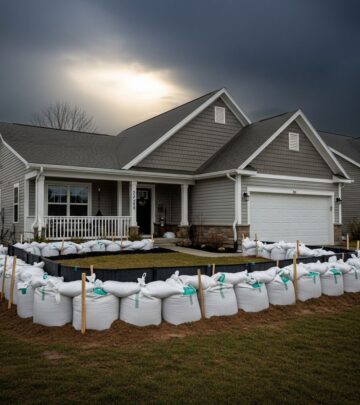
| Sandbag Barriers | Sandbags or soil bags | Arrange in U-shape around tires, directing flow away | Diverts pooling, buys time against rise |
| Sealant Application | Petroleum jelly, rags | Smear on door/window edges, exhaust ports | Repels seepage into cabin |
| Fabric Covers | Blankets, tarps, foam boards | Drape over glass/headlights; tape firmly | Cushions debris strikes |
Combine techniques for layered protection. Test seals post-application by hosing lightly to spot weaknesses.
Pre-Storm Vehicle Maintenance Checklist
A well-maintained car withstands storms better. Address these items days ahead.
- Top off fuel tank for evacuation or post-storm mobility; full tanks add stability.
- Secure parking brake to anchor against winds.
- Close all windows, sunroofs; lock doors.
- Extract valuables, documents, loose items to avoid loss or projectiles.
- Inspect tires for tread depth, wipers for clarity—crucial for rainy drives.
These preparations ensure operational readiness amid chaos.
Navigating Roads Safely During Approaching Storms
If evacuation becomes necessary, adopt cautious driving. Wet surfaces demand adjusted habits.
- Slow speeds prevent hydroplaning on slick pavement.
- Maintain greater following distances for extended braking.
- Illuminate headlights for visibility in downpours.
- Detour standing water; even shallow depths overwhelm engines.
- Monitor alerts for downed lines or blockages.
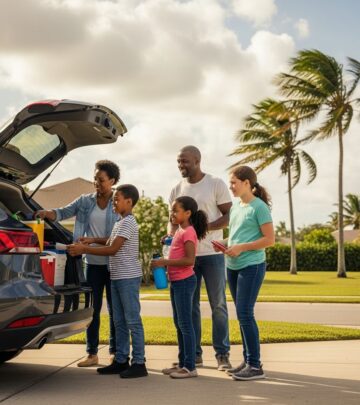
Limit family vehicles to one to ease traffic. Travel early before conditions worsen.
Insurance and Financial Preparedness
Comprehensive policies cover weather perils unlike basic liability. Verify coverage includes floods, wind, hail—essential in prone regions. Update documents and note policy numbers. Post-storm, photograph damages immediately for claims.
Without proper insurance, owners bear full costs, often prohibitive after widespread destruction.
Post-Hurricane Recovery Steps
After winds subside, assess methodically. Do not start flooded engines; tow to professionals for drying. Rinse salt residues promptly to avert corrosion. Dry interiors thoroughly to halt mold. Professional inspections detect hidden issues like warped components.
Frequently Asked Questions
Can I drive through shallow floodwater?
No—six inches stalls most cars, deeper destroys.
What if no garage is available?
Opt for elevated open areas away from trees.
Does car cover suffice alone?
It helps with debris but not floods; combine with elevation.
How soon to prepare?
At first watch/warning; fuel and move immediately.
Will standard insurance cover?
No, requires comprehensive for storms.
Long-Term Resilience Building
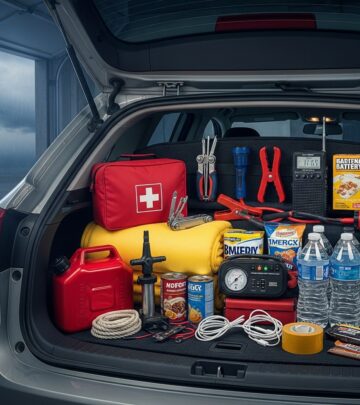
Invest in elevated home parking, rust-proofing undercoats, or lift kits for frequent zones. Join community networks for shared high-ground access. Annual storm kits with covers, tape streamline responses.
By embedding these habits, vehicle owners transform vulnerability into resilience, preserving mobility when communities need it most.
References
- How Can I Protect My Car from Hurricane Flood Damage? — Armstrong Auto Care. 2024-10-28. https://www.armstrongautocare.com/how-can-i-protect-my-car-from-hurricane-flood-damage
- Safeguarding Your Vehicle During a Hurricane: Essential Tips for Car Owners — Genac. Accessed 2026. https://genac.com/tt/safeguarding-your-vehicle-during-a-hurricane-essential-tips-for-car-owners/
- Keep Your Car Protected During Hurricanes and Severe Weather — Cleveland Ford. 2022-09-28. https://www.clevelandford.com/blogs/4518/index.php/2022/09/28/ford-hurricane-prep/
- Five Ways to Protect your Vehicle During a Hurricane — JN General Insurance. 2024-07-17. https://www.jngijamaica.com/five-ways-to-protect-your-vehicle-during-a-hurricane/
- How to Protect Your Vehicle from Florida’s Severe Weather — Mercury Insurance. Accessed 2026. https://www.mercuryinsurance.com/resources/auto/how-to-protect-your-car-from-hurricanes.html
Similar Articles








Read full bio of medha deb